
World News
Iran’s Revolutionary Guard Threatens Regional Energy Lifeline Amid U.S. Naval Pressure

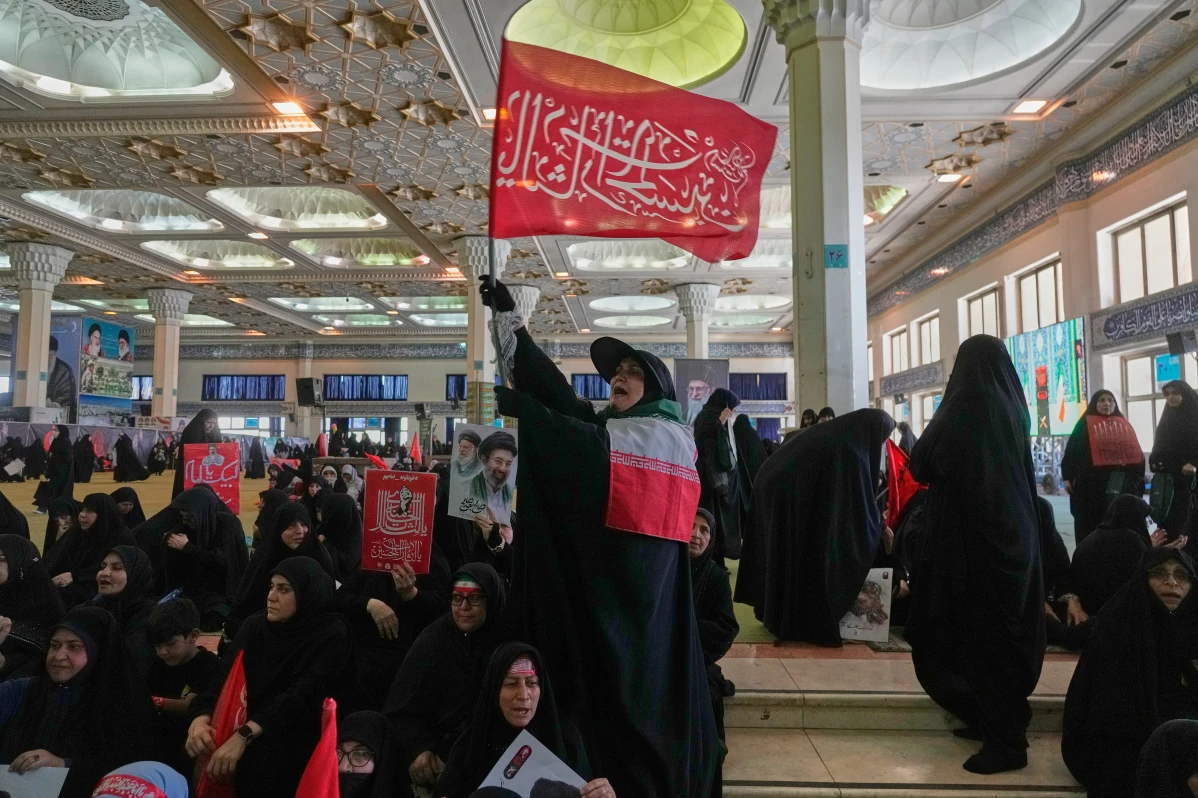
Iran’s Islamic Revolutionary Guard Corps (IRGC) has threatened to halt all energy exports from the Middle East in response to the United States’ decision to reimpose a naval blockade on the Islamic Republic, dramatically escalating tensions around one of the world’s most strategically important maritime corridors. The warning has heightened fears of a wider regional conflict and renewed volatility in global energy markets.
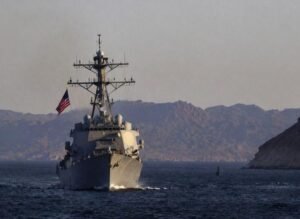
The latest confrontation follows the U.S. government’s announcement that it would restore a naval blockade on Iranian ports and shipping after accusing Tehran of renewed attacks on commercial vessels operating near the Strait of Hormuz. The blockade, which had been suspended under a temporary ceasefire agreement reached last month, officially resumed this week as hostilities between the two countries intensified.
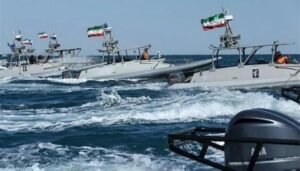
In a strongly worded statement, the IRGC warned that if Iran is prevented from exporting its oil and natural gas, no other country in the region should expect to do so either. The Guard suggested that additional strategic export routes; including alternative pipelines used by Gulf Arab states, could also become targets if the confrontation continues.
The Strait of Hormuz remains the focal point of the crisis. The narrow waterway, located between Iran and Oman, has long been regarded as the world’s most critical oil shipping chokepoint. Before the current conflict, roughly 20% of globally traded crude oil and liquefied natural gas passed through the strait during peacetime, making any disruption capable of sending shockwaves through international energy markets.
The renewed crisis comes after days of military escalation. According to U.S. officials, Iran has launched attacks on commercial shipping and struck U.S.-linked facilities in Bahrain, Kuwait and Jordan following American airstrikes and the restoration of the blockade. Iran, meanwhile, argues that it is responding to what it describes as illegal foreign interference and violations of its sovereignty.
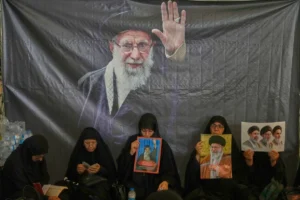
President Donald Trump has defended the renewed blockade as necessary to protect international shipping and pressure Tehran back into negotiations. U.S. Central Command says the operation is intended to prevent Iran from threatening commercial maritime traffic, while American naval forces continue escorting merchant vessels through the Gulf.
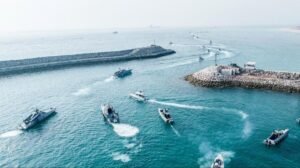
Energy analysts warn that any successful attempt by Iran to significantly disrupt exports from the Gulf could trigger another sharp rise in oil and natural gas prices, increase shipping insurance costs and disrupt global supply chains. Although alternative export routes exist through pipelines in Saudi Arabia and the United Arab Emirates, they cannot fully replace the massive volume of energy normally transported through the Strait of Hormuz.
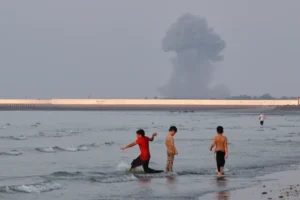
Diplomatic efforts to prevent a broader regional conflict continue, but prospects for a quick resolution appear increasingly uncertain. Both Washington and Tehran have exchanged threats of further military action, while regional governments and international shipping companies remain on high alert. Markets around the world are closely watching developments, as any prolonged disruption to Gulf energy exports could have significant consequences for inflation, fuel prices and global economic growth.