General News
Senate Halts Bills For New Universities, Polytechnics As Tinubu Pushes Seven-Year Moratorium

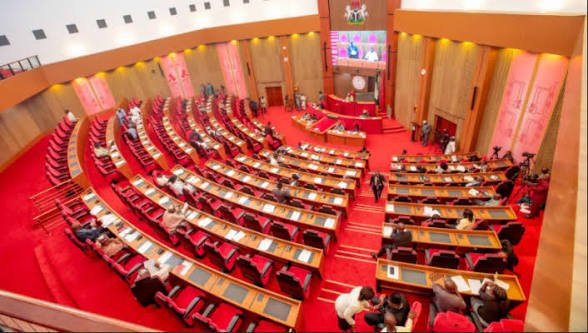
The Nigerian Senate has directed the suspension of legislative processes for the establishment of new universities, polytechnics and other tertiary institutions, following President Bola Tinubu’s position that Nigeria should concentrate on strengthening existing institutions.
The directive was announced by Senate Leader, Opeyemi Bamidele, during plenary, where he urged lawmakers and relevant committees to comply with the Federal Government’s policy on the proposed five-to-seven-year moratorium.
Bamidele instructed the Clerk of the Senate to formally communicate the decision to members of the National Assembly, noting that some lawmakers might not be aware of the government’s position.
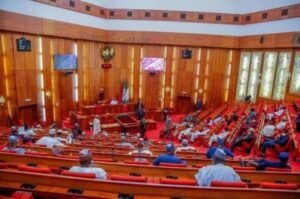
He also cautioned Senate committees overseeing education against processing or presenting bills seeking to establish new tertiary institutions for consideration during plenary.
The Senate Leader acknowledged that lawmakers frequently faced pressure from colleagues seeking legislative support for the establishment of universities and other higher institutions in their constituencies.
However, he maintained that the directive required the Senate to suspend such legislative activities in line with the government’s position.
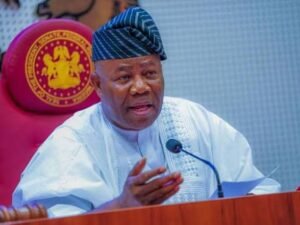
Supporting the move, Senate President Godswill Akpabio disclosed that President Tinubu had discussed the issue with the leadership of the National Assembly and expressed opposition to establishing additional universities, polytechnics and other tertiary institutions over the next five to seven years.
Akpabio explained that the proposed moratorium was intended to give existing institutions sufficient time to develop their infrastructure, strengthen academic programmes and establish the facilities required for effective operations.
He expressed concern that several recently established universities were yet to become fully operational, with some reportedly lacking permanent locations or having incomplete site-clearance processes.
According to him, establishing a university requires substantial planning, infrastructure and financial commitment, and should not be treated as a routine exercise.
The Senate President stressed that universities are national institutions expected to serve students from different parts of the country, irrespective of their geographical locations.
He further noted that the Federal Government had made efforts to ensure a fair distribution of universities across the country, arguing that available resources should now be directed towards improving the capacity and performance of existing institutions.
Akpabio subsequently directed the Clerk of the Senate to ensure that bills seeking the establishment of new tertiary institutions were no longer listed for consideration.
The decision effectively places a legislative hold on fresh proposals for new federal tertiary institutions during the proposed moratorium period, while the government prioritises the development and effective operation of existing universities and polytechnics.
The policy is expected to shift attention towards addressing infrastructure gaps, improving academic standards and ensuring that already established institutions have the facilities and resources required to fulfil their mandates.