
Opinion
The UNFCCC Has to Reform or Become Irrelevant

BY AVM RTD AKUGBE IYAMU MNSA fsi
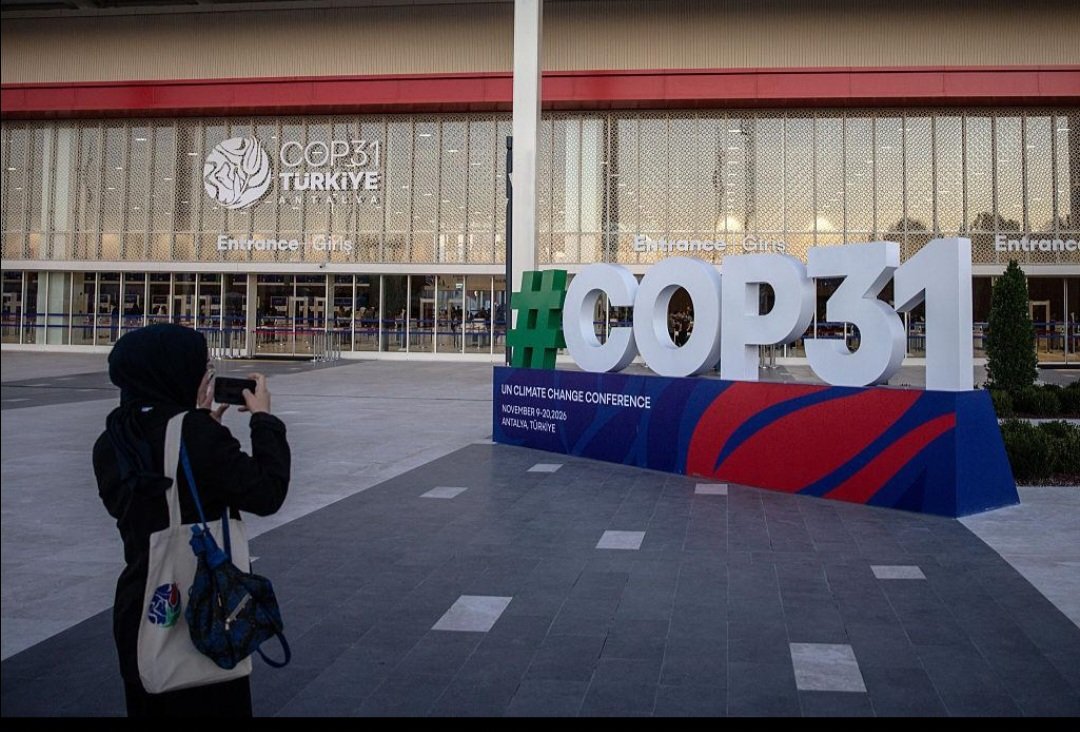
As COP31 failed to reach consensus on fossil fuel consumption and divestment, time has come to take a look at survivability, cost of living crisis, energy security global tension and regional interests in shaping the outcome of the Convention. Fossil fuels consumption will reduce like the internet and renewable energy will eventually become the energy of choice like AI did over the internet. There is time to replace fossil fuel with renewable energy sources similar to the early 1900 when railway development was the choice of the world but today, many tracks are abandoned even in Kansas. Fossil fuels will become abandoned in the nearby future.

The reform need to be against the primary purpose of the UNFCCC (United Nations Framework Convention on Climate Change). The initial agreement was to stabilize greenhouse gas concentrations in the atmosphere at a level that prevents “dangerous human interference with the climate system”. Adopted in 1992 and in force since March 1994, it provides the foundational framework for international climate cooperation among 198 Parties. The key objectives include:
1). Stabilise emissions within a timeframe that allows ecosystems to adapt naturally, protects food production, and supports sustainable economic development.
2). Host the annual Conference of the Parties (COP) where governments negotiate agreements, review progress, and set climate priorities.
COPs venue rotate among five UN regional groups: African, Asia-Pacific, Eastern Europe, Latin America and the Caribbean (GRULAC), and Western European and Others (WEOG).
The choice of venues for UN Climate Change Conferences (COPs) is influenced by regional rotation rules, host offers, logistics, security, and political dynamics. Members of the rotating regional group consult and nominate a host country. If no country offers to host or an agreement is not reached, the meeting defaults to Bonn, Germany, where the UNFCCC secretariat is based.
3). Serve as the parent framework for subsequent agreements, including the Kyoto Protocol and the Paris Agreement.
4). Collect national greenhouse gas inventories and monitor how countries implement their climate pledges.
5). Promote technology transfer, capacity building, and financial support—recognizing “common but differentiated responsibilities” between developed and developing countries
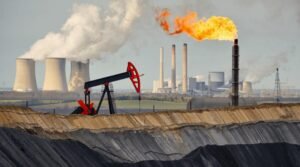
The situation for reform has been long in coming but came to a precarious end in COP31 when around 130 countries—including the European Union, the UK, Canada, Panama, and vulnerable island nations—refused to sign a final text that ignored the root cause of climate change. Vulnerable countries stood and demanded to be heard unlike past summits where nations accepted watered-down language to preserve consensus. This coalition of countries chose to walk away rather than endorse a pact that only promoted carbon capture technology. This time, around 130 countries—including the European Union, the UK, Canada, Panama, and vulnerable island nations—refused to sign a final text that ignored the root cause of climate change: fossil fuels. Unlike past summits where nations accepted watered-down language to preserve the consensus.
The reforms must be far reaching such that wealthy nations bear the overwhelming responsibility for historical emissions, developing countries be allowed their own right to choose transition pathways that protect their economies from energy poverty and price shocks. Additionally, time has come for wealthy, industrialized nations as a matter of urgency and obligation to contribute to help developing countries transition their energy systems and adapt to natural disasters.
AVM RTD AKUGBE IYAMU MNSA fsi
PRESIDENT ASSOCIATION OF ENVIRONMENTAL PROTECTION AND CLIMATE CHANGE PRACTITIONERS
CONSULTANT ON CLIMATE CHANGE AND ANALYST ON ENVIRONMENTAL POLICIES AND COMMENTATOR ON NATIONAL ISSUES