
International
Transport Strike Paralyzes Kenya Over Soaring Fuel Prices

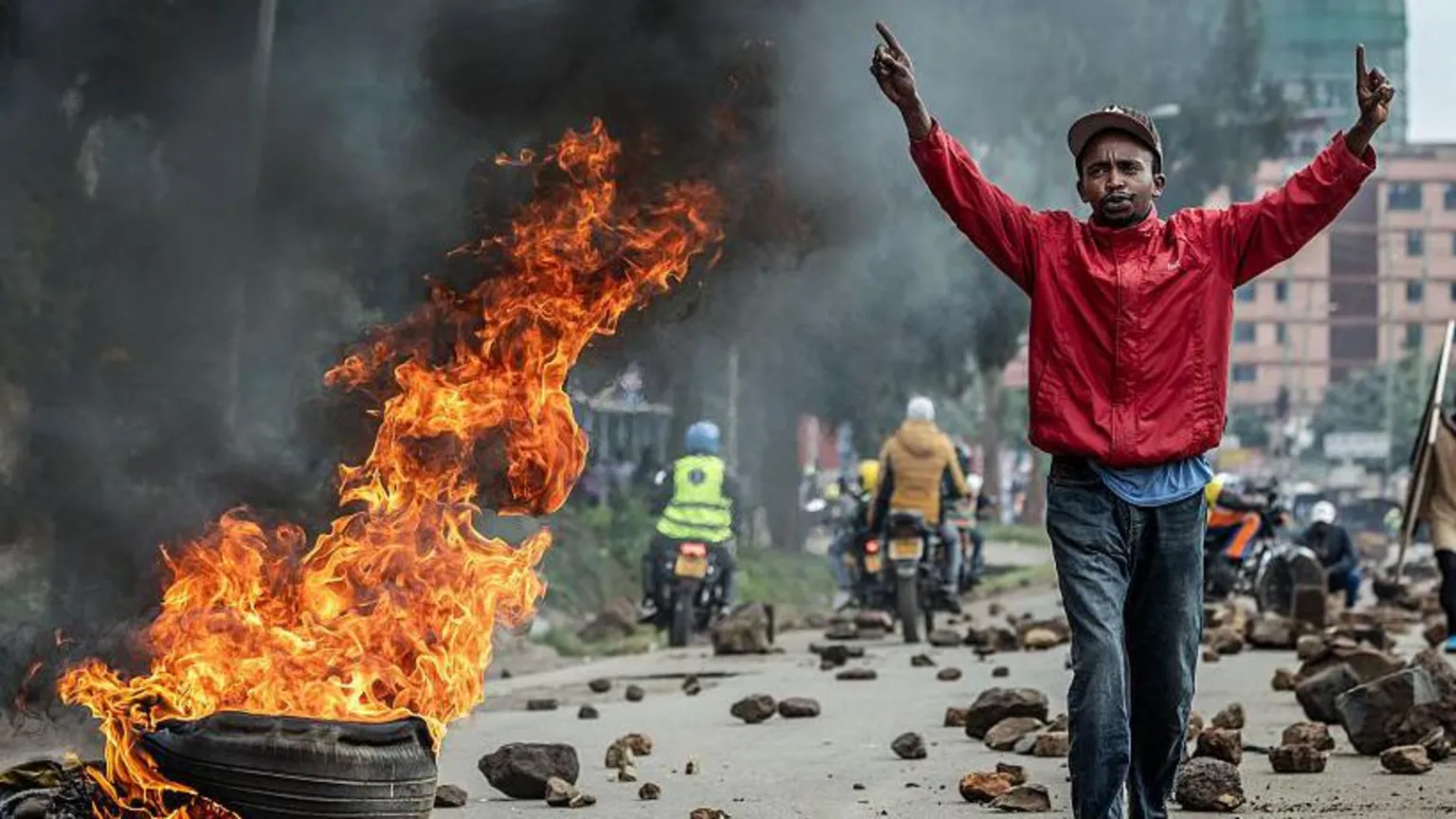
Public transport has been brought to a standstill across Kenya following a nationwide strike by transport operators protesting sharp increases in fuel prices, leaving thousands of commuters stranded and disrupting economic activity in major cities.
The strike, led by the Transport Sector Alliance, began early Monday after operators declared a full suspension of services in response to recent fuel price hikes they describe as “unsustainable” for the industry.
According to multiple reports, matatus, buses, taxis, and freight operators stayed off the roads in key urban centers including Nairobi and Mombasa, forcing many residents to walk long distances or remain at home as transport systems collapsed.
The action follows a steep rise in fuel prices announced by Kenya’s Energy and Petroleum Regulatory Authority (EPRA), which increased petrol and diesel costs by more than 20 percent in recent adjustments, driven largely by global crude oil pressures linked to geopolitical tensions in the Middle East.
Transport operators say the increases have made daily operations unprofitable, with many already implementing fare hikes of up to 50 percent before the strike began.
In several areas, roads into Nairobi were blocked by striking drivers and protesters, while security agencies deployed officers to prevent escalation and maintain order. Some incidents of burning tires and traffic disruptions were also reported as anger over rising living costs intensified.
Government officials have appealed for calm, stating that discussions are ongoing with transport unions in a bid to resolve the impasse and restore normal movement across the country. However, no immediate agreement has been reached, raising fears that the disruption could continue if fuel prices remain high.
Economists warn that prolonged transport shutdowns could worsen inflationary pressures, particularly on food and essential goods, as Kenya relies heavily on road transport for distribution across the country.