International
US Lawmakers Reject Trans Sports Ban Tied to Voting Bill Debate

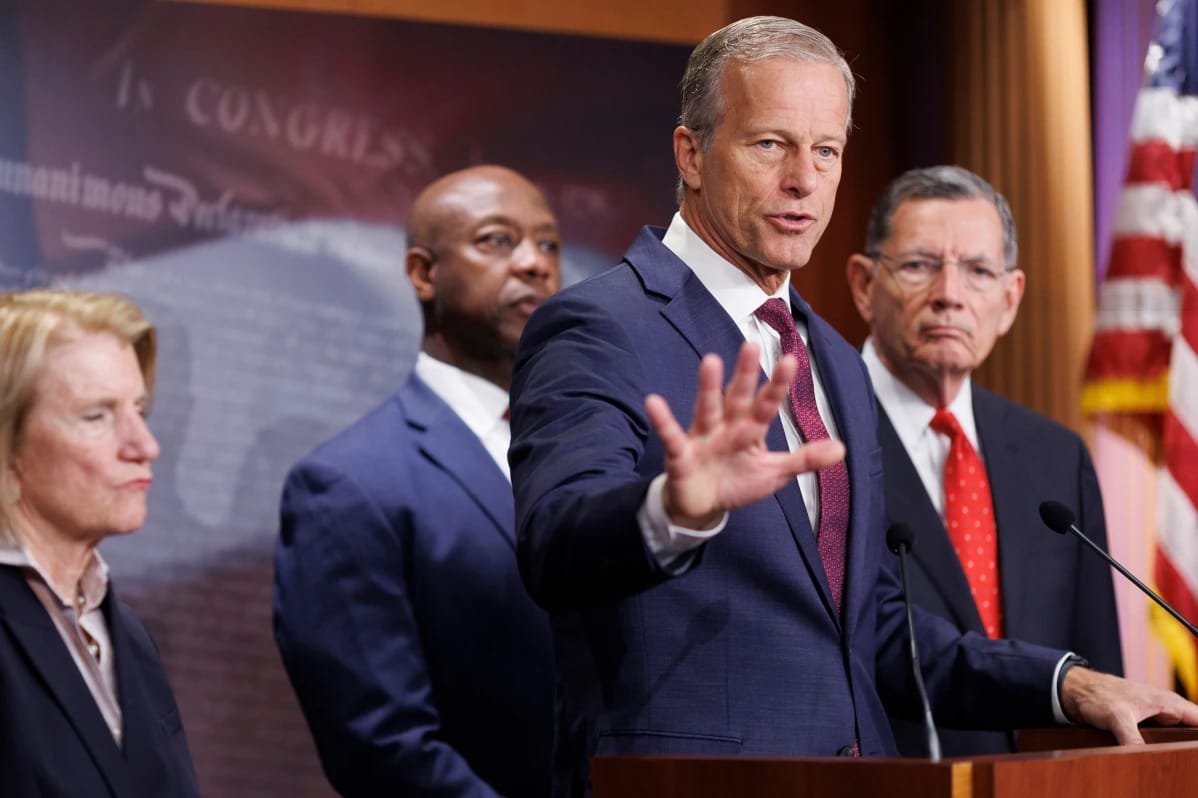
The United States Senate has blocked a controversial amendment seeking to ban transgender athletes from participating in women’s sports, during a rare weekend session tied to a broader voting bill debate.
The amendment, backed by Republican lawmakers and supported by President Donald Trump, was introduced as part of the ongoing deliberations on the SAVE America Act—a sweeping election reform bill focused on tightening voter registration requirements and mandating stricter identification measures.
During Saturday’s session, the proposal failed to pass after falling short of the 60 votes required to overcome a filibuster, with a vote count of 49 in favour and 41 against. The measure aimed to penalize schools that allow transgender girls; those assigned male at birth to compete in female sports categories.
The vote highlights the deep partisan divide in the Senate. Republicans argued that the amendment was necessary to ensure fairness in women’s sports, while Democrats opposed it, framing it as discriminatory and unrelated to voting legislation.
The rejected amendment was one of several policy priorities linked to the broader voting bill, which has itself sparked intense debate. The SAVE America Act, already passed by the House of Representatives, proposes stricter voter ID rules and proof of citizenship requirements.
However, Senate Democrats are expected to block the bill entirely, citing concerns that it could suppress voter turnout and create barriers for eligible voters.
Despite Republican control of the Senate, the legislation faces significant hurdles due to the filibuster rule, which requires bipartisan support to advance major bills.
The weekend session; an unusual move, underscores the high political stakes surrounding the bill, as lawmakers continue to clash over voting rights and social policy issues ahead of upcoming elections.