International
UK Party Wants Visa Ban on Nigeria, Ghana, Others Demanding Slavery Reparations

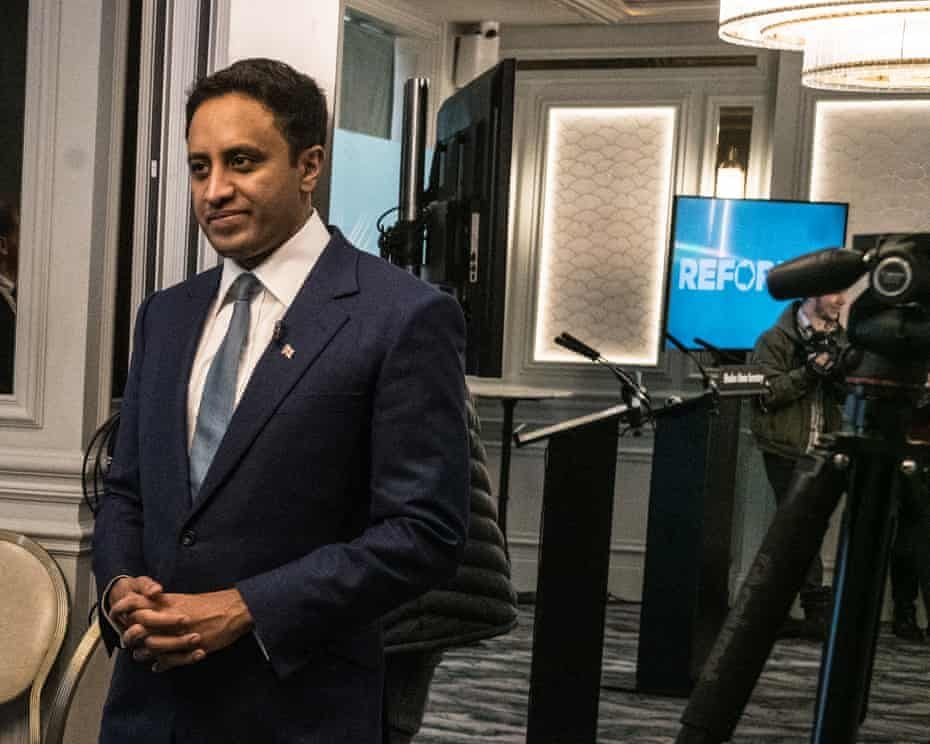
A controversial immigration proposal by Reform UK has sparked international debate after the party announced plans to deny visas to citizens of countries demanding reparations for the transatlantic slave trade.
The policy, put forward by the party’s home affairs spokesperson Zia Yusuf, would block visa applications from nations actively seeking compensation from Britain over its historical role in slavery. Yusuf described such demands as “insulting,” arguing they overlooked Britain’s role in abolishing the slave trade in the 19th century.
According to the party, millions of visas have been granted over the past two decades to citizens of countries now calling for reparations, a trend it believes should be halted. The proposal is expected to affect several nations across Africa and the Caribbean, including Nigeria, Ghana, and Jamaica, many of which are part of regional blocs advocating for reparatory justice.
The announcement has drawn strong criticism from international bodies and advocacy groups. The Caribbean Reparations Commission condemned the proposal as discriminatory, arguing it unfairly targets descendants of enslaved people while ignoring the long-term economic and social consequences of slavery and colonialism. Advocates insist that reparations extend beyond financial compensation to include formal apologies, debt relief, and development initiatives aimed at addressing historical inequalities.
The proposal comes amid renewed global momentum for reparations, with African and Caribbean nations increasingly pushing for accountability on the world stage. A recent United Nations resolution described the transatlantic slave trade as the “gravest crime against humanity” and called for reparative justice measures, highlighting growing international pressure on former colonial powers.
Reform UK, led by Nigel Farage, has also suggested cutting foreign aid to countries pursuing reparations, reinforcing its stance against financial or diplomatic concessions tied to historical injustices. Analysts warn that such measures could strain diplomatic relations between the United Kingdom and several Commonwealth nations, particularly in Africa and the Caribbean, while critics argue the approach risks deepening historical divisions rather than encouraging dialogue and reconciliation.
As reactions continue to unfold, the proposal underscores a widening divide between countries seeking justice for historical wrongs and political actors who reject reparations as a policy priority, setting the stage for further diplomatic tensions in the months ahead.