
Environment
Storm Fury: Sinlaku Hits U.S. Territories with Extreme Winds and Rain

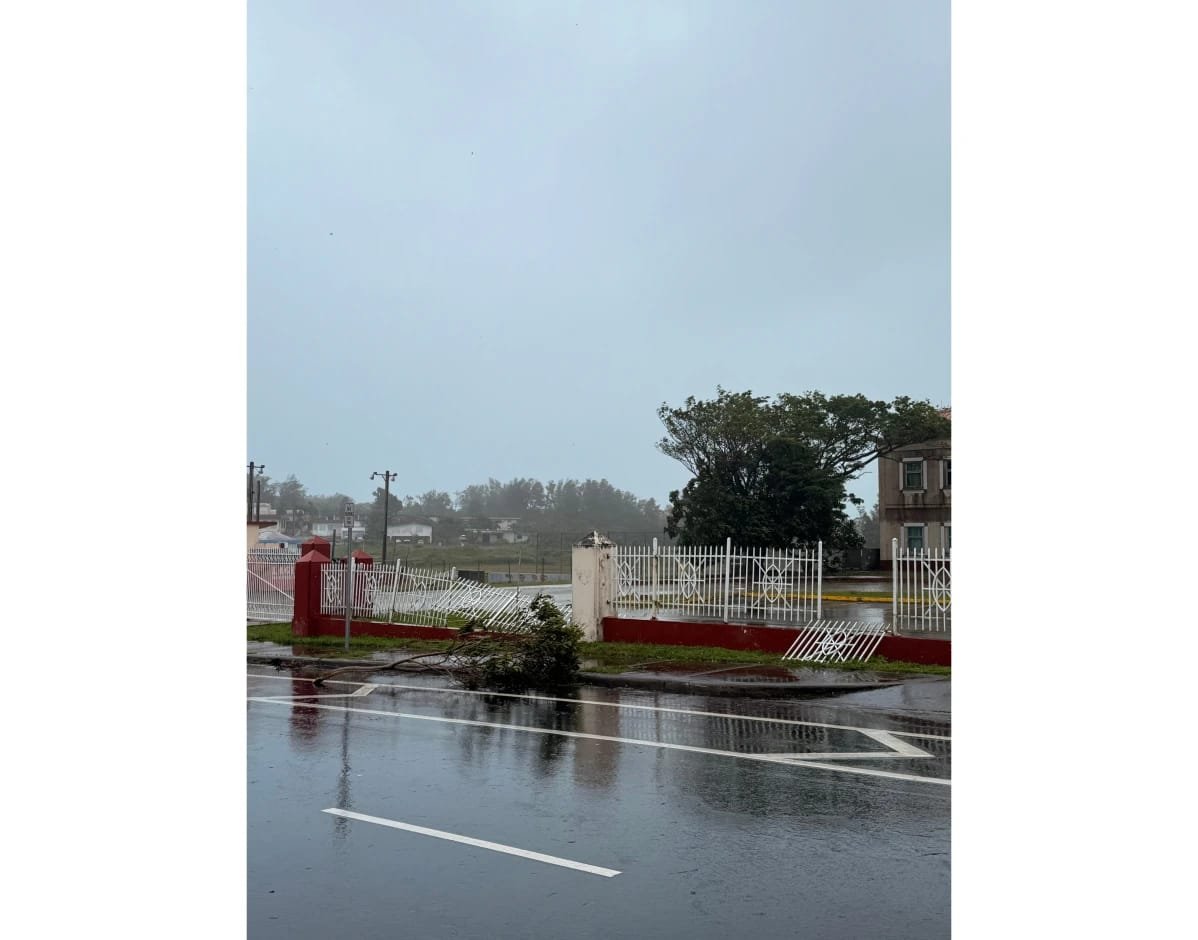
Super Typhoon Sinlaku has slammed into remote U.S.-affiliated islands in the Pacific Ocean, unleashing powerful winds, heavy rainfall, and dangerous storm surges, according to meteorological agencies and emergency officials.
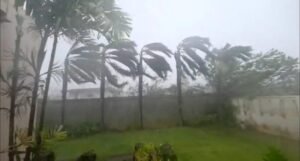
The storm, classified as a super typhoon due to its extreme wind speeds, swept across parts of Micronesia and the surrounding U.S. territories, leaving a trail of destruction in its wake. Authorities reported sustained winds exceeding 240 km/h (150 mph), capable of uprooting trees, damaging infrastructure, and disrupting power and communications.
Emergency services in affected areas scrambled to assess damage and assist residents, many of whom had taken shelter ahead of the storm’s arrival. Initial reports indicate widespread flooding in low-lying communities, with coastal regions particularly vulnerable to storm surges.
Officials warned that the full extent of the damage may not be immediately clear due to communication outages and the remoteness of the impacted islands. Relief efforts are expected to face logistical challenges, with access to some areas limited by damaged infrastructure and severe weather conditions.
The National Weather Service and regional meteorological centres had earlier issued warnings urging residents to prepare for life-threatening conditions, including destructive winds and flash flooding.
While the storm is forecast to gradually weaken as it moves away from the islands, authorities cautioned that hazardous conditions could persist for several days, including rough seas and heavy rainfall.
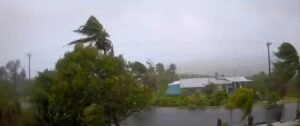
Climate experts note that powerful storms like Sinlaku are becoming more intense, raising concerns about the vulnerability of small island communities to extreme weather events.