
Entertainment
EUROVISION FINALISTS TO PERFORM AMID BOYCOTT ROW OVER ISRAEL’S PARTICIPATION

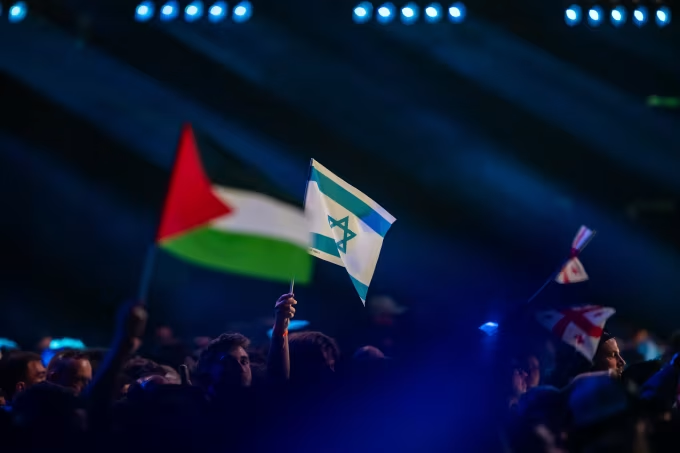
The Eurovision Song Contest reaches its final stage this weekend, but the spotlight has been partially overshadowed by a growing diplomatic and cultural boycott involving several participating countries, including Spain and Ireland, over Israel’s continued presence in the competition.
Despite calls for exclusion and staged protests during the semi-finals, organizers of the contest have maintained that Eurovision remains a non-political music event and that all eligible broadcasters retain the right to participate. The European Broadcasting Union (EBU), which oversees the contest, has repeatedly defended Israel’s inclusion, stating that participation is based on broadcaster membership rather than government policy.
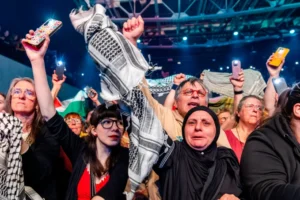
The controversy has sparked divisions among participating nations. Public broadcasters in Spain and Ireland have expressed concern over Israel’s participation amid the ongoing war in Gaza, with some political figures and advocacy groups urging a withdrawal or formal protest. Similar sentiments have been echoed in parts of Slovenia and Iceland, where debates over cultural participation and political neutrality have intensified.
Pro-Palestinian demonstrations have also accompanied Eurovision-related events in host cities, with activists calling for cultural boycotts and greater accountability from international entertainment platforms. Meanwhile, Israeli officials and supporters argue that excluding artists based on government actions would unfairly politicize cultural exchange and undermine the contest’s founding principles.
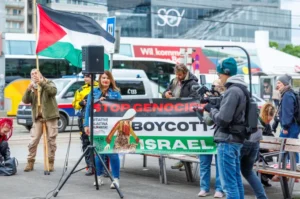
As finalists prepare to take the stage, security has been tightened around the venue, and organizers are working to ensure the grand finale proceeds without disruption. The tension underscores a broader debate over the intersection of global entertainment, politics, and conflict in international cultural spaces.