
Opinion
2027: When the People Are Thirsty for Change

By Kenneth Eze, Public Affairs Analyst
Abuja, Nigeria — As Nigeria moves toward the 2027 general elections, the political atmosphere is increasingly defined by public impatience, economic pressure, and a growing demand for accountability. Across markets, campuses, workplaces, and online spaces, political conversations are shifting away from party loyalty and zoning debates toward a more direct question: what has governance delivered in real terms?
The dominant sentiment shaping current political engagement is a “thirst for change” a demand for improved living conditions, including jobs, stable electricity, affordable food, and strengthened security. This mood is influencing the strategies of major political actors across parties such as the APC, PDP, ADC, and emerging coalitions, as well as informal political movements gaining ground among younger voters.
Shifting Political Calculations
Ahead of 2027, Nigeria’s political landscape is already experiencing realignment. Defections, coalition talks, and strategic alliances are becoming more frequent as political actors position themselves for advantage. While established politicians continue to rely on party structures and incumbency networks, voter behavior is also evolving in significant ways.
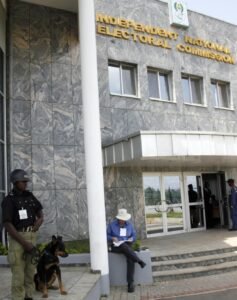
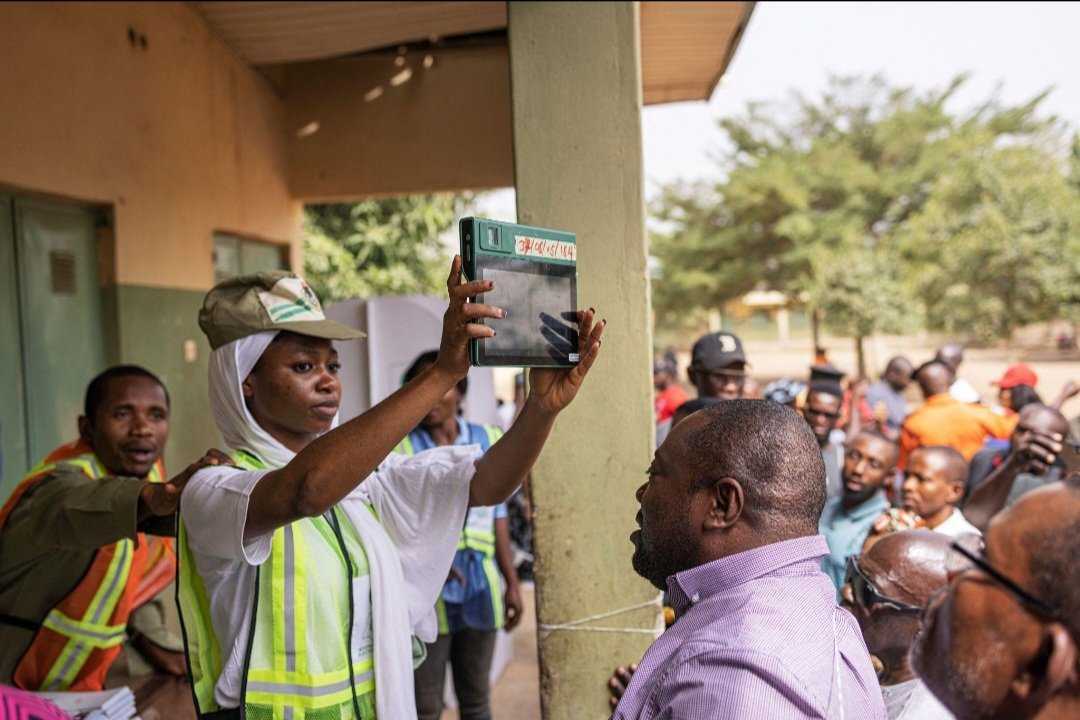
The 2023 general elections played a major role in reshaping political awareness, particularly among first-time voters. Issues surrounding result transmission, logistics, and public trust in electoral processes remain central to political discourse. Despite the introduction of technological tools such as BVAS and the IReV portal by the Independent National Electoral Commission (INEC), concerns over transparency and consistency continue to influence public perception of electoral credibility.
INEC has acknowledged operational and communication gaps in its post-election assessments. As 2027 approaches, observers argue that early reforms, clearer timelines, stronger institutional transparency, and improved stakeholder communication will be essential in rebuilding public confidence.
A More Demanding Electorate
One of the most significant shifts in Nigerian politics is the growing assertiveness of younger voters. According to INEC’s 2023 voter data, young people make up a substantial portion of the electorate, with many increasingly less influenced by traditional political structures.
This demographic is more digitally connected, more issue-focused, and more willing to evaluate candidates based on performance rather than party affiliation. The influence of online political discourse has also intensified scrutiny of political claims and public office holders.

As a result, political parties are being forced to adapt to a more independent and less predictable electorate. Analysts note that imposition of unpopular candidates and reliance on traditional patronage systems may no longer guarantee electoral success in key regions.
The Role of the Voter
Despite rising political awareness, voter participation remains a critical challenge. Reports from the 2023 elections indicated that millions of registered Permanent Voter Cards (PVCs) were not collected. This gap continues to raise concerns about voter turnout and political inclusion.
Observers emphasize that meaningful political change depends not only on public dissatisfaction but also on participation in the electoral process.
The central message remains consistent: registration, PVC collection, and turnout on election day are essential for translating public sentiment into political outcomes.
Security and Electoral Integrity
Security agencies also face heightened expectations ahead of 2027. Electoral violence and voter intimidation have remained recurring concerns in previous election cycles. Civil society reports documented over 1,000 incidents of electoral violence during the 2023 elections, underscoring the need for improved preventive measures.
There is growing public demand for neutrality, professionalism, and accountability from security institutions during elections. The credibility of the electoral process, many argue, depends heavily on the ability of security agencies to maintain order without political interference.
Conclusion
Nigeria’s 2027 elections are already shaping up to be more than a routine democratic cycle. They represent a test of institutional trust, political accountability, and civic engagement.

While the country continues to face economic and security challenges, there is also a noticeable increase in political awareness and voter engagement, particularly among younger citizens. The direction of the 2027 elections will depend on the actions of electoral institutions, the credibility of political actors, and the level of participation from the electorate.
Ultimately, the outcome will be determined not only by political strategies but by the choices of Nigerian voters at the ballot box.
As Kenneth Eze notes, the defining feature of this period is clear: the people are increasingly demanding change, and they are preparing to express that demand through their votes.
Contact: engrchukeze2014@gmail.com