
International
Armenians Vote in High-Stakes Election Amid Growing Pressure from Russia

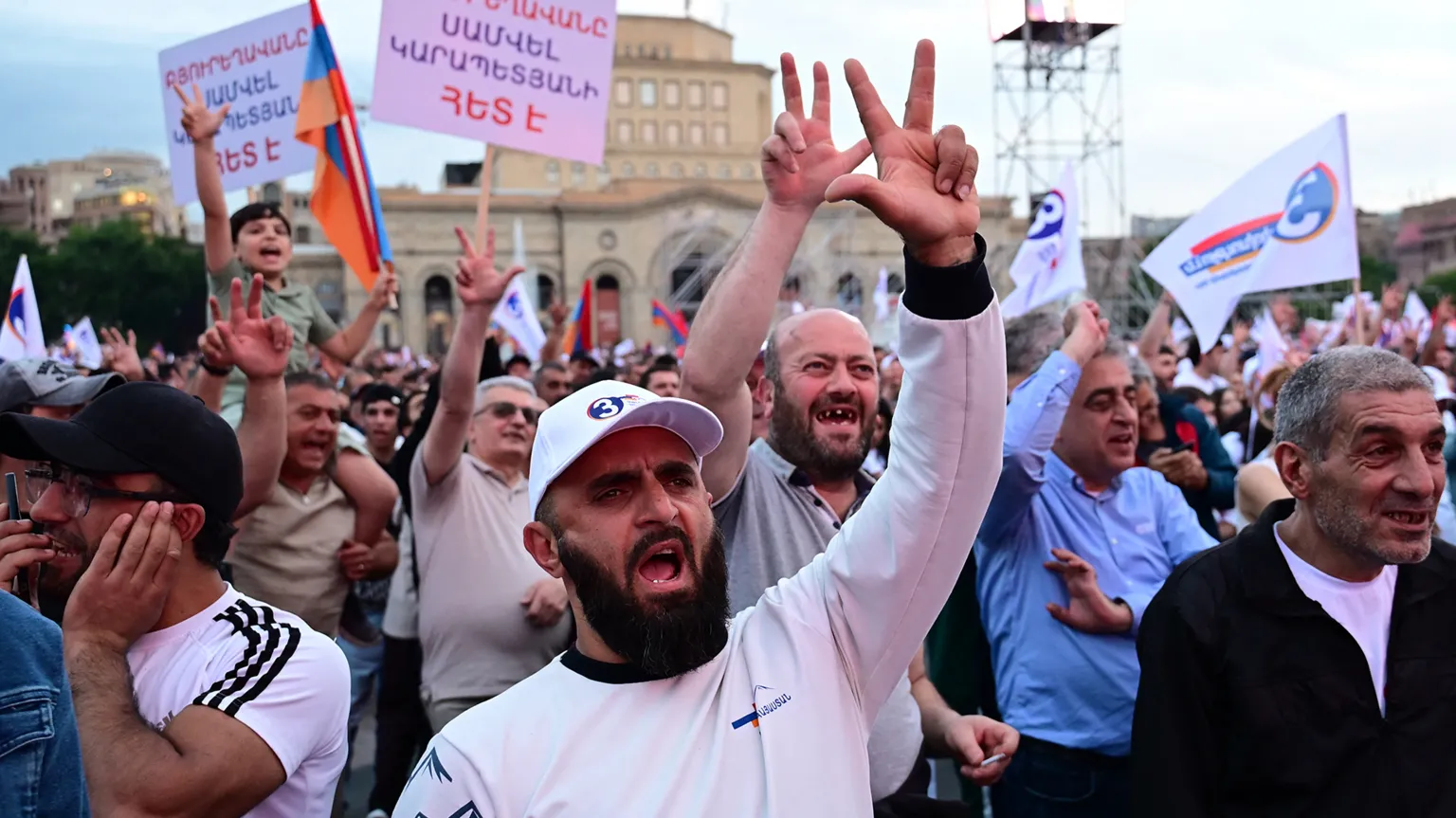
Armenians headed to the polls on Sunday in a closely watched parliamentary election widely seen as a referendum on the country’s geopolitical future, as mounting pressure from Russia casts a shadow over Prime Minister Nikol Pashinyan’s efforts to deepen ties with Western nations.
The election comes at a pivotal moment for the South Caucasus nation of about three million people. Since coming to power in 2018, Pashinyan has pursued closer cooperation with the European Union and the United States while seeking to reduce Armenia’s dependence on Moscow. His government has also pushed for a peace agreement with neighboring Azerbaijan following the loss of the disputed Nagorno-Karabakh region in 2023.
Recent opinion polls placed Pashinyan’s ruling Civil Contract party in the lead, though with significantly reduced support compared to previous elections. His main challenger is the pro-Russian Strong Armenia party, led by billionaire businessman Samvel Karapetyan, who remains under house arrest on charges related to an alleged attempt to overthrow the government. Karapetyan and his supporters have dismissed the accusations as politically motivated.
The campaign has been marked by escalating tensions between Yerevan and Moscow. Russian officials have imposed restrictions on several Armenian exports, including agricultural products and alcoholic beverages, while warning that Armenia’s growing engagement with the European Union could jeopardize its economic relationship with Russia. Moscow has also hinted at possible increases in energy prices and questioned Armenia’s future participation in the Russian-led Eurasian Economic Union.
Armenian authorities and civil society groups have raised concerns about alleged Russian disinformation campaigns and attempts to influence the election outcome. The Kremlin has denied interfering in the vote. Meanwhile, opposition figures have accused Pashinyan’s administration of using state resources and arrests of political rivals to gain an advantage, allegations the government rejects.

For many voters, the election represents a choice between continuing Armenia’s gradual integration with Western institutions or maintaining closer alignment with Russia, its longtime security partner and largest trading partner. The outcome is expected to shape the country’s foreign policy, economic direction, and regional relationships for years to come.
International observers, including representatives from European organizations, are monitoring the vote, which is expected to be one of the most consequential elections in Armenia since the collapse of the Soviet Union. Final results are anticipated in the coming days.