
International
British Millionaires Launch Campaign Urging Burnham to Increase Taxes on Extreme Wealth

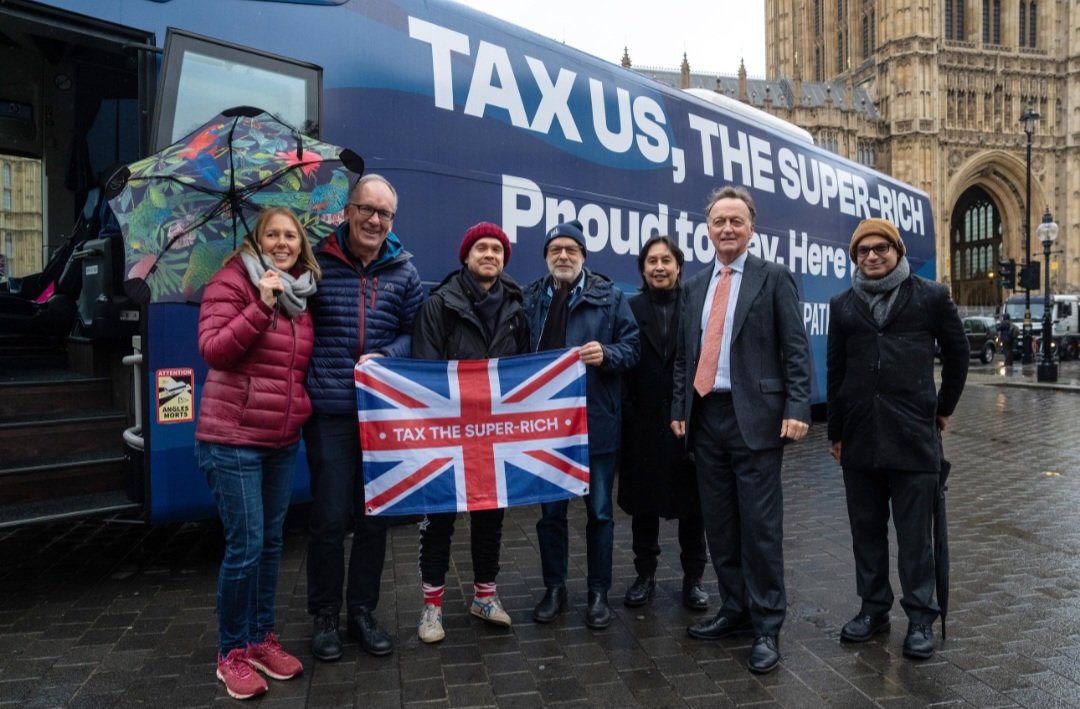
Former England football captain and broadcaster Gary Lineker is among more than 120 Britain-based millionaires who have signed an open letter urging Prime Minister Andy Burnham to introduce higher taxes on the country’s wealthiest individuals, arguing that those with the greatest fortunes should contribute more to tackling inequality and funding public services.

The appeal was organised by Patriotic Millionaires UK, a campaign group that advocates reforms to the tax system. Other prominent signatories include filmmaker Richard Curtis, musician Brian Eno, economist Gary Stevenson, author Val McDermid, and a number of entrepreneurs and philanthropists.

In their letter, the millionaires tell Burnham: “We want you to tax us. We can afford it.” They argue that wealth has become increasingly concentrated in the hands of a small segment of society while public services face mounting financial pressures. According to the group, a fairer tax system would help reduce inequality and provide additional funding for areas such as healthcare, education and social care.
A central proposal is the introduction of a 2% annual wealth tax on assets worth more than £10 million. Campaigners estimate that such a measure could generate around £24 billion annually, while broader reforms;including aligning capital gains tax more closely with income tax, could raise even more revenue for the Treasury.
The campaign comes as the new Labour government faces growing pressure over how it will finance a series of spending commitments while maintaining fiscal discipline. Burnham has previously expressed support for making the tax system fairer, but his government has not committed to introducing a dedicated wealth tax. Some ministers have instead argued that reforms to capital gains taxation may be a more practical approach.
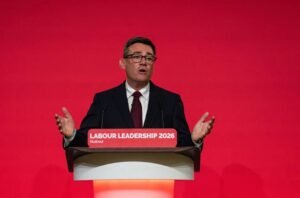
The initiative has reignited debate among economists and politicians. Supporters argue that the UK’s wealthiest citizens have benefited disproportionately from rising asset values and should shoulder a larger share of the tax burden. Critics, however, warn that a wealth tax could prove difficult to administer, encourage capital flight and discourage investment if not carefully designed.
Public opinion appears broadly favourable to the proposal. Polling cited by the campaign indicates that around three-quarters of Britons support higher taxes on the richest households, reflecting growing concern about the widening gap between wealth and income in the UK.
While welcoming the discussion, government ministers have also noted that wealthy individuals who wish to contribute more financially already have the option of making voluntary payments to the government. The campaigners, however, insist that voluntary donations are no substitute for systemic reform, arguing that lasting change requires legislation rather than individual generosity.
For Lineker, the move represents his latest intervention in public policy after years of speaking out on issues ranging from refugee rights to social inequality. Whether Burnham embraces the proposal remains uncertain, but the open letter has intensified the national conversation over how Britain should tax wealth and pay for its public services.