
International
Israel’s General Election Will Be Like No Other Before, Analysts Say

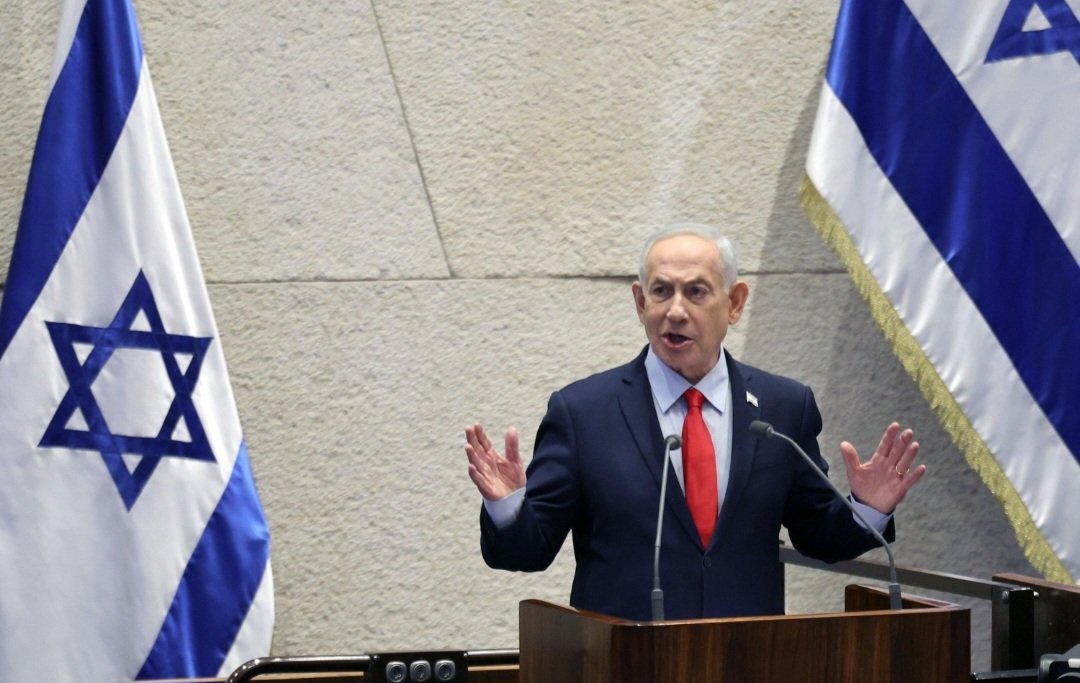
Israel is heading toward what political analysts describe as one of the most consequential general elections in its history, with the October 2026 vote expected to be shaped by the lingering effects of war, deep political polarization and growing public demand for accountability.
In an analysis for Chatham House, Middle East expert Yossi Mekelberg argues that the upcoming election will be fundamentally different from previous contests because Israelis will not only be choosing a government but also deciding how the country moves forward after years of conflict and internal division.

The election will be the first national vote since the Hamas-led attacks of October 7, 2023, and the subsequent wars in Gaza, Lebanon and confrontations with Iran.
Prime Minister Benjamin Netanyahu, Israel’s longest-serving leader, is campaigning on his national security credentials. However, he also faces criticism over the security failures that allowed the October 2023 attacks and over his government’s handling of the wars that followed.
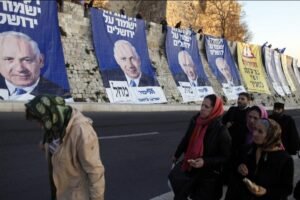
Opinion polls suggest Netanyahu’s Likud party faces a strong challenge from former Israeli military chief Gadi Eisenkot, whose centrist Yashar party has gained momentum by promising to restore public trust, improve governance and unite a deeply divided society.
Although Netanyahu remains one of Israel’s most experienced politicians, analysts say forming a governing coalition could prove far more difficult than in previous elections because of the country’s fragmented political landscape.
Despite growing dissatisfaction with the current government, Mekelberg argues that Israel’s opposition has yet to present a fully convincing alternative capable of uniting voters across ideological divides.
The opposition includes centrists, liberals and former conservative allies of Netanyahu who agree on replacing the current government but differ sharply on issues such as relations with the Palestinians, judicial reform and the role of religion in politics.

While security remains the dominant campaign issue, voters are also expected to focus on rising living costs, military conscription, judicial independence and the relationship between secular Israelis and ultra-Orthodox communities.
The debate over compulsory military service for ultra-Orthodox Jewish men has become especially contentious after years of war placed heavy demands on Israel’s armed forces.
According to Mekelberg, the election is ultimately about more than selecting the next prime minister. It represents a broader choice about Israel’s democratic institutions, national identity and future direction.
Whether Israelis opt for continuity under Netanyahu or a new political leadership, the outcome is expected to influence the country’s domestic politics, regional diplomacy and international relationships for years to come.
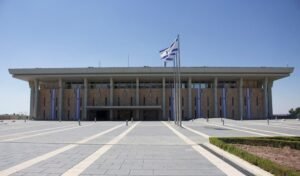
Governments around the world are closely watching the campaign, as the result could affect Israel’s approach to the war in Gaza, relations with the United States and broader Middle East diplomacy.
With opinion polls indicating no clear path to a parliamentary majority for either bloc, analysts warn that coalition negotiations after the election could be just as significant as the vote itself, making this one of the most unpredictable elections in Israel’s history.