
Opinion
When Political Rivals Share One Target, Nigerians Should Pay Attention

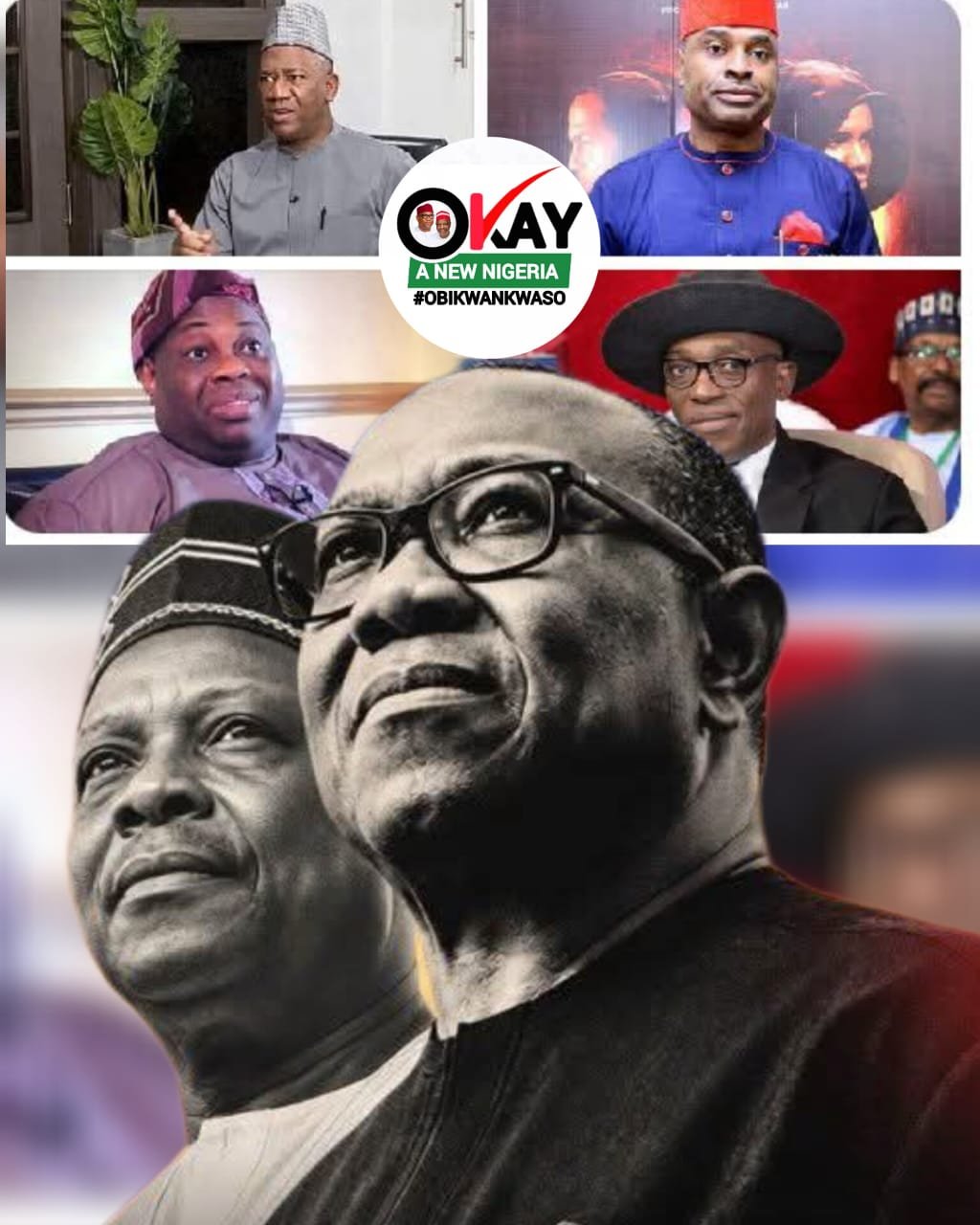
By Hon. Chibuisi Mba


Politics is often defined by disagreements. Parties compete, politicians clash, and opposing camps rarely find common ground. Yet in recent days, an interesting pattern has emerged in Nigeria’s political landscape: individuals and groups from different political parties have directed criticism toward one man Peter Obi.
Within the space of a week, voices from across the political spectrum, including members of the APC, ADC, PRP and even factions associated with the Labour Party, publicly criticized the former presidential candidate.
Ordinarily, such developments could be dismissed as routine political exchanges. Democracy thrives on debate, and no politician should be above scrutiny. However, when political actors with little else in common suddenly appear united on a single target, it raises an important question: what exactly are they responding to?
Supporters of Peter Obi argue that the answer lies in what he represents rather than who he is. To them, Obi embodies a challenge to the established political order an order they believe has failed to deliver the prosperity, accountability and good governance Nigerians desire.
Whether one agrees with that assessment or not, it is difficult to ignore the growing frustration among citizens. Millions continue to grapple with economic hardship, unemployment, insecurity and declining living standards. For many Nigerians, the demand for a different style of leadership is no longer merely political; it is deeply personal.
The same argument is often made about Rabiu Musa Kwankwaso. His supporters point to his record in education and human capital development, insisting that his political appeal stems from governance achievements rather than elite connections.
Neither Obi nor Kwankwaso is perfect. No leader is. Democracy requires citizens to examine both their strengths and weaknesses critically. Yet the intensity of criticism directed at them has reinforced the perception among their supporters that both men stand outside the traditional power structure.
This perception, whether accurate or not, is shaping political conversations ahead of the 2027 elections.
For many voters, the central question may not be which politician is flawless. Rather, it may be whether the current political system is producing the results Nigerians expect. If citizens conclude that it is not, they may naturally gravitate toward candidates they view as agents of change.
Ultimately, democracy belongs to the people. Nigerians must evaluate every candidate, every party and every promise on the basis of evidence, competence and integrity. They must resist being swayed solely by endorsements, attacks or political alliances.
As the 2027 elections approach, voters should ask difficult questions of all those seeking public office. They should examine records, policies and character. Most importantly, they should make independent choices based on what they believe is best for the country’s future.
If recent political developments have shown anything, it is that the contest for Nigeria’s future has already begun. The task before Nigerians is to ensure that, when the time comes, they not political elites decide the outcome.
The views expressed in this article are those of the author and do not necessarily reflect the position of any media organization.