
Opinion
The Journey Out of The Current Weak or Stagnated Naira is to Embrace Priority Based Budgeting Framework

AVM (RTD) AKUGBE IYAMU MNSA fsi


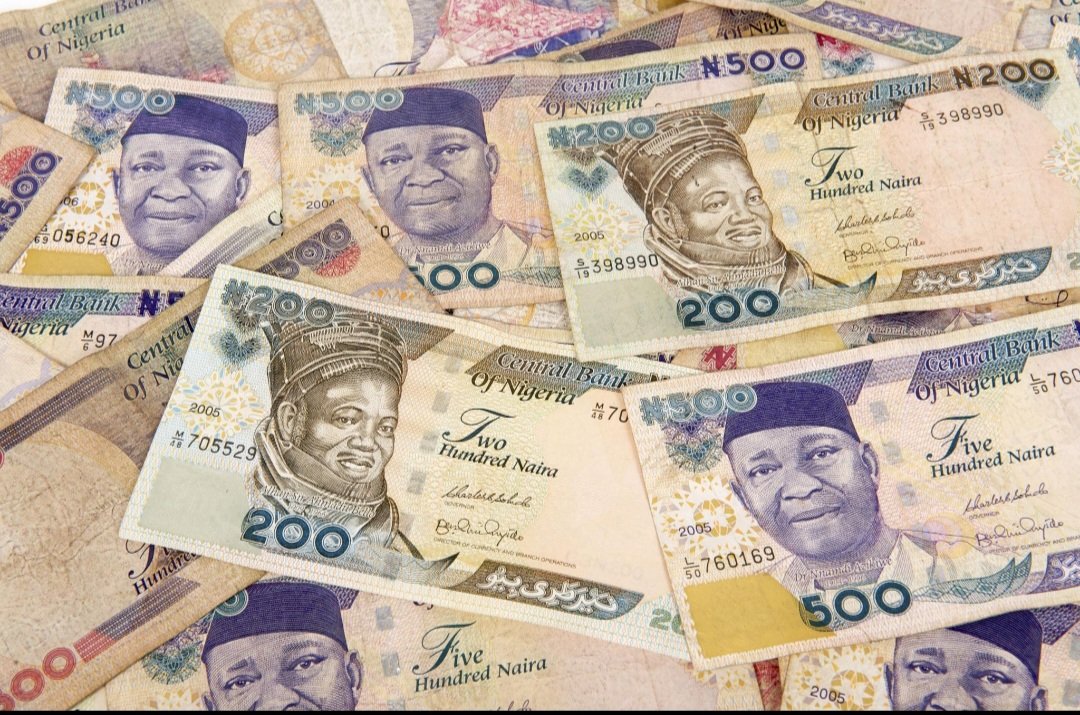
Is the Naira becoming stagnated or simply becoming weaker.
A currency is weak or stagnated when money loses its buying power or fails to grow in value against other global currencies. Countries with severely weak, depreciated, or chronically stagnant currencies include nations like Iran (Iranian Rial), Lebanon (Lebanese Pound), and Laos (Laotian Kip). These low values are driven by prolonged inflation, international sanctions, deep political instability, or deliberate central bank policy.
Stagnation in currency often comes from high inflation, trade deficits, or low economic production as currently experienced in Nigeria. In the case of Nigeria where the Naira has stalled, everyday items cost more, and people can buy less with the same amount of cash. A weak Nigerian naira is fueling a severe economic crisis. The currency trades near ₦1,500 and in the recent past over ₦1,650 per US dollar following major exchange rate reforms and devaluations.

Because Nigeria relies heavily on imported goods, a weak currency directly drives up inflation, increases business costs, and reduces household living standards.
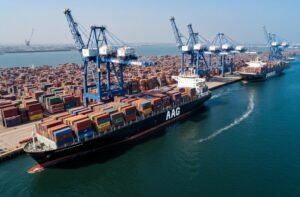
A weak currency does not automatic or accidental, a weak currency is the product of excessive dependence on imported goods. For instance,
Nigeria buys significant percentage of refined fuel, food, and raw items from other nations, creating constant high demand for US dollar. It could also be aggravated by lack of diversification of a country’s economic system. In Nigeria Crude oil sales are the main source of foreign money, but production delays and pipeline issues limit actual earnings.
There is no country in the world that throws her currency into uncertainty of floating. The is very concerning because moving away from fixed exchange rates has devastatingly forced the official market to reprice the currency based on real scarcity.
The result of a stagnated currency are prices for food and transport jump rapidly because it costs more naira to buy foreign goods. Additionally, as seen in Nigeria
small shops and factories face high operating costs and expenses shrinking profit margins. The 39.6 to 41.5 million SMEs in Nigeria has been drastically affected since 2023 reducing it to about 17 million because of excruciating operating costs and uncertain business conditions. Stagnation in currency is consequential to rising living costs and place a heavy burden on families, lowering overall purchasing power.
Stagnation in currency is not existential but can be addressed by a combination of economic pragmatism and policy antidotes and idealism. To fix a stagnant or stuck currency value, a government and central bank must balance the money supply and boost market trust.
They do this by raising interest rates, increasing local production to drive up exports, and cutting down heavy reliance on foreign goods.
In the case of Nigeria, the urgency is to reduce budget deficits that narrow the Nigeria’s projected federal government revenue for the 2026 fiscal year of approximately ₦36.87 trillion, supporting an approved aggregate budget expenditure of ₦68.32 trillion. The ambitious 2026 federal budget officially set at ₦68.32 trillion is focused on debt servicing, capital projects, and recurrent spending so the public sector does not oversaturate the economy with unbacked cash.

Because knowledge prevent a country from making expensive mistakes, Nigeria need to be intentional and deliberate in exploring the 700 billion to one trillion dollar worth of 40+: mineral resources ready for exploration.
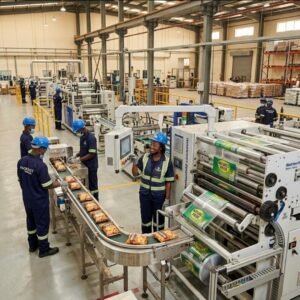
It is now crucial that Nigeria must urgently support domestic factories and farms so citizens buy local items instead of expensive imports. Equally, the country need to be sincere in selling more goods abroad by diversifying the economy, which forces foreign buyers to purchase and use your local currency.
Deliberate efforts must be deepened in attracting foreign direct investment and not portfolio investment. This will be reflected in clear fiscal rules and fix the financial systems by accountability and transparency so investors feel safe keeping their money in the country.
A stable economic environment is cardinal because it weak or stagnated Naira has raised the cost of imported goods, fuelled inflation, eroded household purchasing power and made foreign debt repayments significantly more expensive.