
Opinion
Endless Palliative And Disconnect From The Causative Conditions

AVM RTD AKUGBE IYAMU MNSA fsi


PRESIDENT ASSOCIATION OF ENVIRONMENTAL PROTECTION AND CLIMATE CHANGE PRACTITIONERS
CONSULTANT ON CLIMATE CHANGE AND ANALYST ON ENVIRONMENTAL POLICIES AND COMMENTATOR ON NATIONAL ISSUES
There are moments when leadership is not measured by rhetorics, sloganeering or newspapers headlines but by policies and implementation, strategies, institutions built and outcomes. Reforms, implementation and outcomes are such moments.
Economic reform need an inbuilt social security systems and protections that must move together. It is not enough to provide macroeconomic stability while millions of Nigerians are struggling to absorb the shock. On the otherhand, continuous palliative and relief are meaningless without addressing the root structural conditions that gave rise to poverty and hunger.

While returns target the restructuring of a nation economy, it must shape systems that benefit the people. It must capture the central purpose and philosophy of poverty alleviation, hunger reduction. The correlation and distinction are crucial. What is critical is what a reform set out to do, reforms are designed for structural overhaul of the economy while providing the desired relief for the vulnerable people because they are increasingly a structural rearrangement and a battle to save an economy by reducing poverty and hunger.

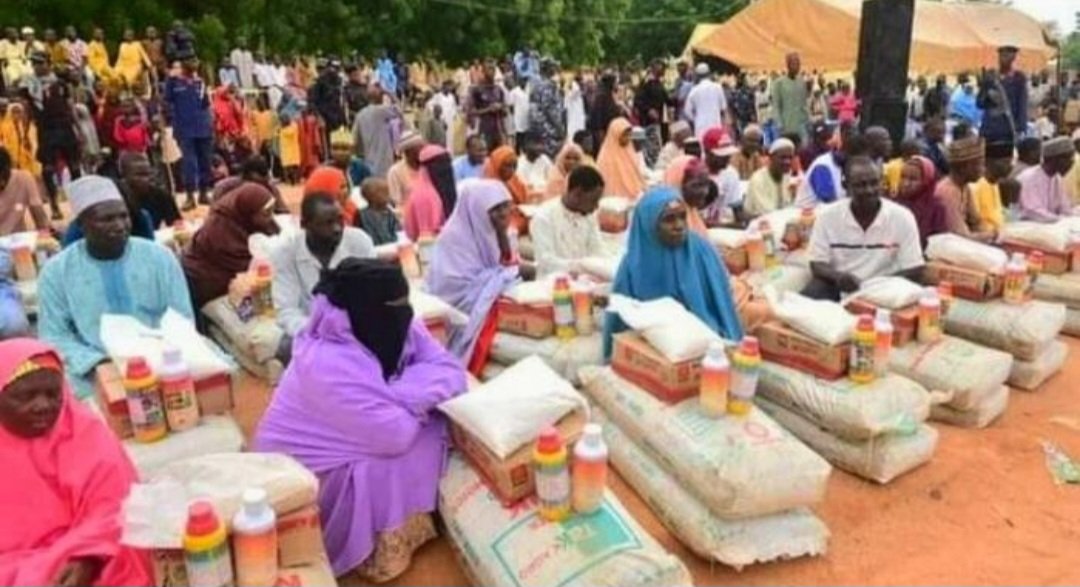
Nigeria is not a stranger to reforms but her response to poverty has been characterised by emergency interventions, cash handouts, food distribution, temporary subsidies and other forms of palliative support designed to cushion the immediate effects of economic hardship. These interventions are no doubt necessary but cannot by themselves provide the durable escape from existential economic crisis.

For instance, a hungry family may require food daily while a struggling household has need for cash but beyond the routine interventions, the family need employment with sustainable income. The children need access to education, the young generation need skills and vulnerable people need enduring support and sustainable income. This is where a reform should bring the significant change and added value.