Education
FG Introduces Strict Guidelines on Honorary Doctorates to Restore University Credibility

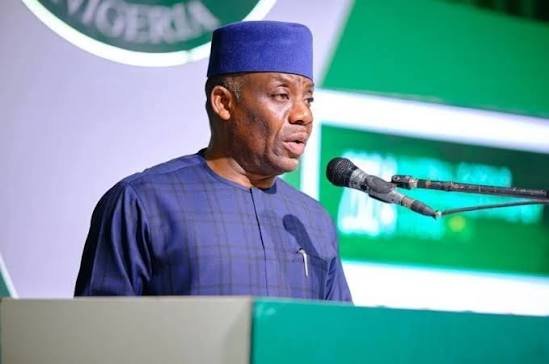
The Federal Government has approved comprehensive guidelines regulating the award and use of honorary doctorate degrees in Nigeria, in a move aimed at strengthening academic integrity, transparency, and the credibility of the nation’s university system.

The policy, approved by the Federal Executive Council and developed by the National Universities Commission (NUC), introduces stricter rules governing eligibility, nomination, conferment, and usage of honorary doctorate degrees, while also providing clear sanctions for abuse.
The Minister of Education, Dr. Maruf Tunji Alausa, CON, disclosed this in a statement issued on behalf of the Federal Ministry of Education, noting that the framework was designed to curb the growing concerns over the commercialization and misuse of honorary academic awards.
According to him, the new guidelines are a response to persistent issues surrounding the indiscriminate awarding of honorary degrees, which have in some cases undermined the value of academic recognition in the country.
Under the new framework, only universities that have produced their first set of PhD graduates will be eligible to confer honorary doctorate degrees. Institutions are also restricted to awarding a maximum of three honorary degrees per convocation ceremony.
The guidelines further stipulate that all honorary doctorate awards must carry the designation “Honoris Causa”, while recipients are expressly prohibited from using the title “Dr.” as a result of such awards.
To ensure compliance, the NUC is expected to establish a monitoring mechanism, including a Special Fraud Unit tasked with overseeing adherence to the rules across universities.
In addition, institutions are required to publicly disclose the names of honorary degree recipients, provide proper orientation for awardees, and activate formal revocation procedures where necessary.
The Federal Government warned that violations of the guidelines will attract strict sanctions, including suspension of accreditation-related activities and, in severe cases, dissolution of governing councils.
The Ministry stressed that the reforms are part of broader efforts to restore discipline, credibility, and global respect for Nigeria’s higher education system.