
War
Iran Launches Drone Attack on Bahrain as Tensions Soar After U.S. Airstrikes

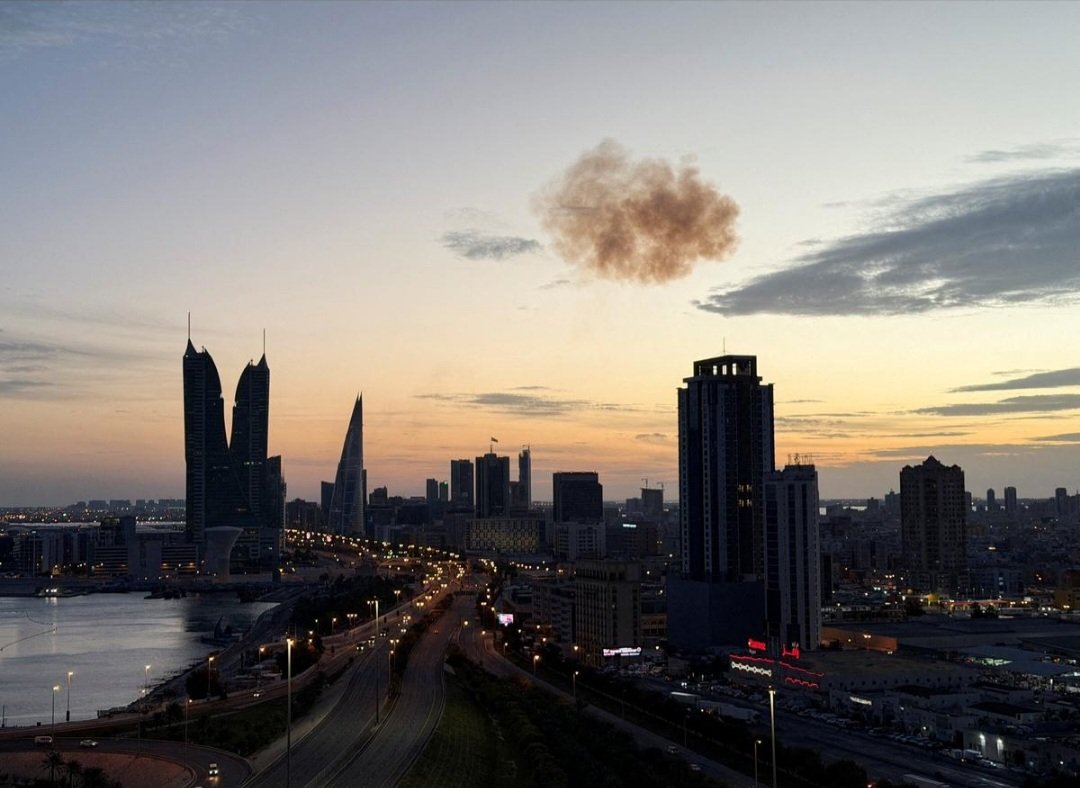
Fresh violence has erupted across the Persian Gulf after Iran allegedly launched a drone attack on Bahrain while a commercial vessel came under attack in the Strait of Hormuz, marking a dangerous escalation in the ongoing confrontation between Tehran and Washington. The incidents occurred just hours after the United States carried out airstrikes against Iranian military facilities in response to an earlier attack on a commercial cargo ship.
The latest developments have raised fears that the fragile ceasefire and interim agreement recently reached between the United States and Iran could collapse, potentially dragging the region back into a broader conflict.
Authorities in Bahrain said a number of Iranian drones targeted the island kingdom, which hosts the headquarters of the U.S. Navy’s Fifth Fleet and serves as one of Washington’s closest allies in the Gulf region. Bahraini officials condemned the attack as a violation of national sovereignty and a threat to civilian safety. 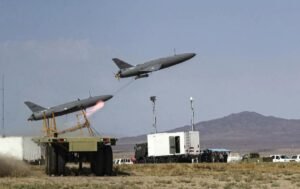
Iran’s paramilitary Revolutionary Guard acknowledged carrying out operations against what it described as U.S.-linked targets in the region, though it did not publicly identify the exact locations struck. Tehran characterized the operation as retaliation for American airstrikes conducted overnight against Iranian military infrastructure.
The Bahraini government has not immediately reported casualties or major damage, but security forces were placed on heightened alert as authorities assessed the situation.
At nearly the same time, a tanker transiting the strategically important Strait of Hormuz came under attack. The British military’s United Kingdom Maritime Trade Operations (UKMTO) center confirmed the incident, stating that the crew remained safe and no environmental damage was reported.
No group immediately claimed responsibility for the attack. However, it occurred against the backdrop of increasing threats to commercial shipping in one of the world’s most critical maritime corridors. Approximately one-fifth of global oil supplies pass through the Strait of Hormuz, making any disruption a major concern for international energy markets.

Maritime security agencies have warned shipping companies operating in the Gulf to remain vigilant amid heightened military activity and ongoing concerns over additional attacks.
The latest attacks followed U.S. military strikes against Iranian missile storage sites, drone facilities, and coastal radar installations. Washington said the operation was a direct response to an Iranian drone attack on the Singapore-flagged cargo ship M/V Ever Lovely, which was navigating near the Strait of Hormuz earlier in the week.
According to U.S. Central Command, the American operation targeted facilities believed to be involved in planning and supporting attacks on international shipping. U.S. officials argued that Iran’s actions represented a violation of the ceasefire arrangement reached days earlier.
Iran, however, accused Washington of provoking the crisis and described the airstrikes as “barbaric,” insisting that it retained the right to respond to any attack on its territory.

The renewed hostilities have intensified concerns about freedom of navigation in the Strait of Hormuz.
Iran has increasingly asserted authority over shipping routes passing through the waterway and warned vessels to comply with Iranian regulations when transiting the area. The United States, Gulf Arab states, and several Western allies reject those claims, arguing that the strait remains an international waterway open to all commercial traffic.
In response to recent attacks, the U.S.-led Joint Maritime Information Center announced an expanded shipping corridor near Oman designed to help vessels move more safely through the region. The measure is intended to reduce risks to commercial shipping but could further aggravate tensions with Tehran.
Gulf Cooperation Council members have expressed growing concern over the escalating violence, warning that continued attacks could destabilize the region and threaten global energy supplies. Bahrain, which recently hosted high-level discussions involving U.S. Secretary of State Marco Rubio, has been among the most vocal critics of Iran’s recent military actions.
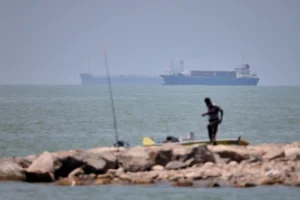
Meanwhile, oil markets have closely monitored developments in the Gulf. Although shipping traffic through the Strait of Hormuz has resumed following earlier disruptions, analysts warn that any sustained escalation could send energy prices sharply higher and impact global trade.
The latest attacks underscore the fragility of the current U.S.-Iran ceasefire and highlight how quickly tensions can reignite despite diplomatic efforts to secure a broader settlement. Military forces across the Gulf remain on high alert as governments assess the risk of additional strikes.
With commercial shipping once again coming under threat and regional allies becoming direct targets, observers fear the confrontation could enter a new and more dangerous phase unless diplomatic channels succeed in preventing further retaliation.