
Sports
International Supporters Struggle With American Tipping Norms at World Cup 2026

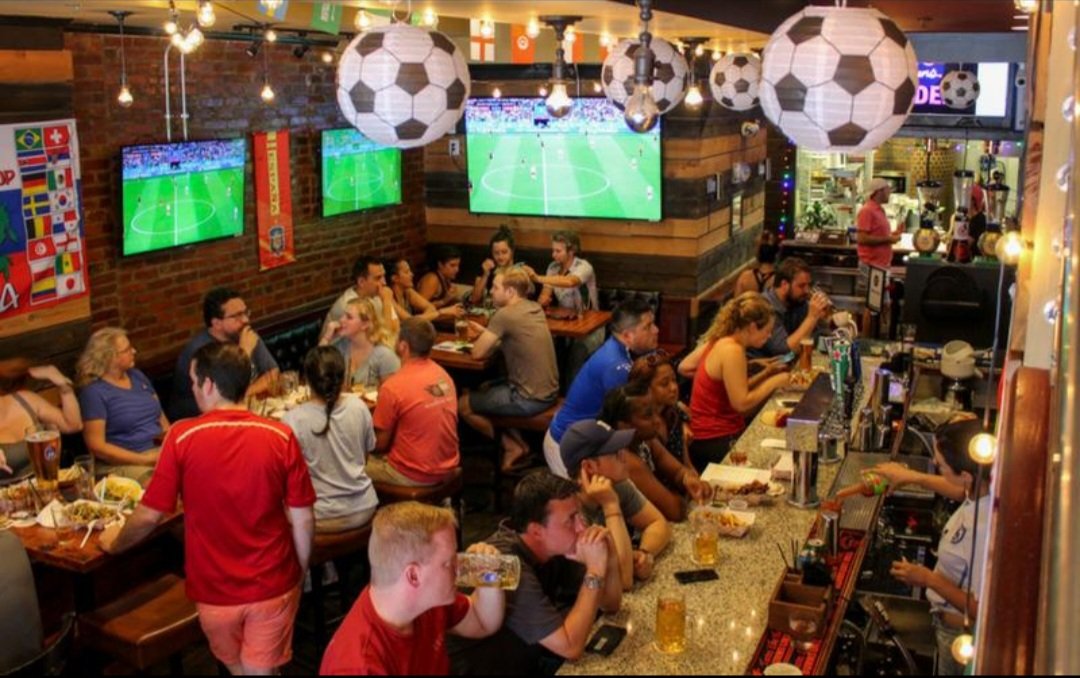
As millions of football supporters travel across the United States for the 2026 FIFA World Cup, many international visitors say they have encountered an unexpected challenge off the pitch: navigating America’s tipping culture. While fans have praised the country’s stadiums, transport networks, and hospitality, some have described tipping practices as confusing, expensive, and difficult to understand. Reports from host cities across the country suggest the issue has become a common topic of discussion among visiting supporters.
For many visitors from Europe, Asia, Africa, and South America, the expectation of leaving gratuities for restaurant staff, bartenders, taxi drivers, hotel workers, and even some retail services represents a significant cultural adjustment. In many countries, service charges are either included in the bill or tipping remains entirely optional. In the United States, however, gratuities are often viewed as an expected component of workers’ earnings.

Fans attending matches in cities such as New York, Los Angeles, Atlanta, Dallas, and Miami have reported surprise at the number of situations in which tips are requested. Some visitors said digital payment terminals frequently present suggested gratuity options ranging from 18% to 30%, leaving them uncertain about what amount is considered appropriate.
Supporters interviewed by several international media outlets described the experience as one of the most unexpected aspects of visiting the United States. While many acknowledged the importance of supporting service workers, some expressed frustration that tipping expectations were not always clearly explained to tourists unfamiliar with American customs.
The issue has become particularly noticeable because many World Cup visitors are already dealing with high travel expenses. Accommodation prices in host cities have risen significantly during the tournament, while transportation, food, and entertainment costs have also increased due to heightened demand. For travelers attending multiple matches across different states, gratuities can add hundreds of dollars to overall expenses.
Hospitality industry representatives have defended the system, noting that many service-sector employees depend heavily on tips to supplement wages. Restaurant associations argue that tipping remains deeply embedded in American culture and allows workers to earn more during major events that attract large numbers of visitors.

Economists say the debate highlights broader questions about wage structures in the United States. Critics of the tipping system argue that employers should pay higher base wages rather than relying on customers to bridge the gap. Supporters counter that the model can provide workers with greater earning potential, particularly during high-demand periods such as the World Cup.
Social media platforms have amplified the discussion, with numerous fans sharing receipts, screenshots, and videos documenting their experiences. Some posts have gone viral after showing suggested tip percentages that visitors considered excessive, while others featured locals explaining customary tipping practices to confused tourists.

Tournament organizers and local tourism officials have sought to provide guidance for visitors by publishing information on common American customs, including tipping etiquette. Travel experts generally recommend gratuities of 15% to 20% in restaurants, smaller tips for hotel staff and drivers, and recognition that practices may vary depending on the service provided.
Despite the complaints, many fans say the issue has not overshadowed their enjoyment of the tournament. The United States has hosted record crowds, vibrant fan festivals, and a wide range of cultural events during the competition. Nevertheless, the discussion surrounding tipping has become an unexpected subplot of the World Cup, highlighting the cultural differences that emerge when millions of people from around the globe gather in one country.
As the tournament progresses toward the knockout stages, visiting supporters continue to adapt to American customs both inside and outside the stadium. For many, understanding when—and how much—to tip has become almost as important as understanding the tournament schedule itself.