
Sports
World Cup 2026: Mikel Obi Emerges as One of Football’s Most Influential New Voices

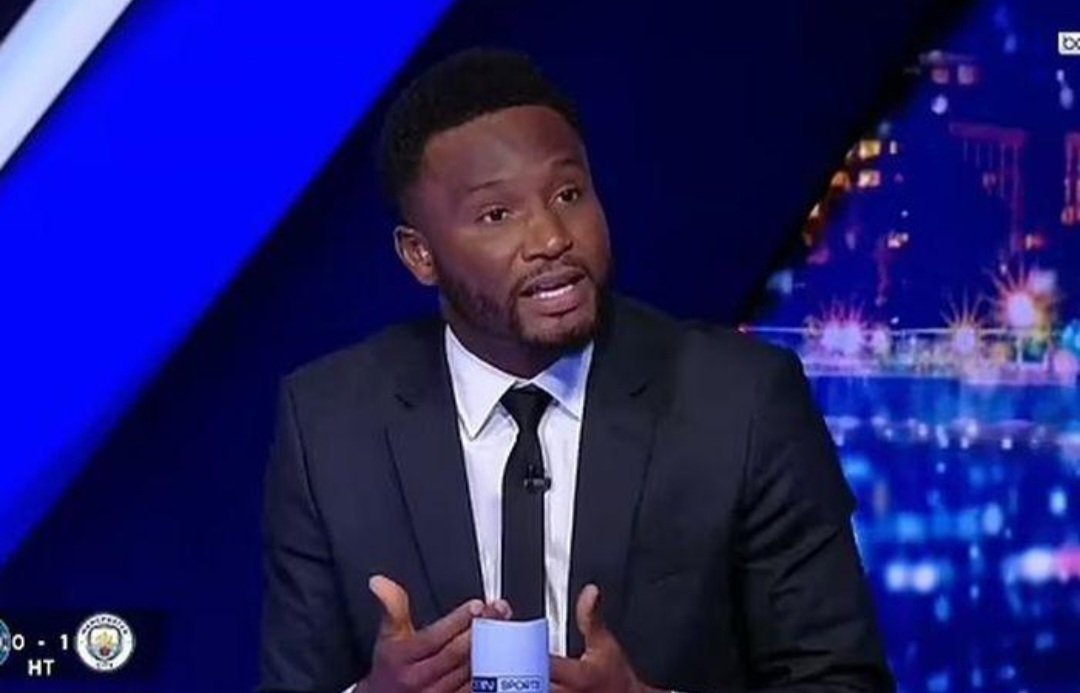
As the FIFA World Cup 2026 unfolds across North America, millions of football fans are tuning in not only for the action on the pitch but also for the analysis that helps explain it.
Among the most talked-about voices of the tournament is former Nigerian captain and Chelsea legend John Obi Mikel, whose smooth transition from elite footballer to respected television pundit has become one of the stories of the tournament.
For many retired players, stepping behind a microphone can prove more challenging than competing on the field. Success in football does not automatically translate into success in broadcasting. Yet Mikel appears to have mastered both worlds.

Few African footballers possess a résumé as rich as Mikel’s.
The former midfielder won multiple major trophies with Chelsea FC, including the UEFA Champions League and Premier League titles. He also captained the Nigeria National Football Team, represented his country at two FIFA World Cups, and played a key role in Nigeria’s victory at the 2013 Africa Cup of Nations.
His career spanned nearly two decades at the highest level of football, giving him firsthand knowledge of dressing-room dynamics, tournament pressure, tactical systems, and the mental demands of elite competition.

Those experiences now form the foundation of his work as an analyst.
One reason Mikel’s commentary has resonated with viewers is his ability to explain complex football situations in simple language.
Rather than relying on technical jargon, he breaks down tactical decisions, player movements, and managerial choices in a way that casual fans can understand while still offering enough depth for dedicated football followers.

During World Cup broadcasts, Mikel has frequently drawn from his own experiences competing against some of football’s biggest stars and coaches, offering perspectives that statistics alone cannot provide.
His analysis often focuses on positioning, leadership, mentality, and decision-making areas he understands intimately after years of competing at the highest level.
Modern sports media often rewards controversy.
Many pundits build their profiles through inflammatory comments or sensational headlines. Mikel, however, has largely taken a different approach.
His critiques tend to be direct but measured. When discussing poor performances, he focuses on footballing reasons rather than personal attacks.
That balance has helped establish credibility with audiences who increasingly value insight over outrage.
Former players frequently face accusations of bias when discussing former clubs or teammates. Mikel’s willingness to praise and criticize teams objectively has strengthened his reputation as a trusted analyst.
Representing African Football on the Global Stage
Mikel’s rise as a pundit carries significance beyond his personal career.
African voices have historically been underrepresented in global football broadcasting despite the continent’s enormous contribution to the sport.
As one of Africa’s most recognizable football figures, Mikel’s presence provides important representation during one of the world’s biggest sporting events.
His insights on African teams competing at the tournament have offered viewers additional context regarding player development, football culture, and tactical evolution across the continent.
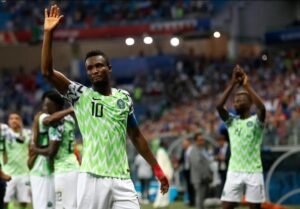
For many Nigerian supporters, seeing a former Super Eagles captain command respect in international media is another source of pride.
The success of former players in broadcasting has transformed football coverage over the past decade.
Viewers increasingly seek analysis from individuals who have experienced elite football firsthand.
Mikel joins a growing list of former stars who have successfully reinvented themselves in media, demonstrating that retirement from playing does not necessarily mean retirement from influencing the game.
Instead, it can mark the beginning of a different chapter.
Mikel’s impact extends beyond television studios.
Through podcasts, interviews, and digital platforms, he has continued engaging with football audiences worldwide, adapting to a media landscape increasingly driven by online content and direct fan interaction.
His ability to communicate naturally across multiple platforms has helped him connect with younger audiences while maintaining credibility among traditional football fans.
As World Cup 2026 progresses toward its knockout stages, Mikel’s profile as a broadcaster is likely to continue growing.
For years, football fans admired him for controlling matches from midfield.
Today, many are discovering a different side of the former Nigerian captain; one capable of controlling conversations with the same intelligence and composure that once defined his playing career.
His journey from football legend to respected analyst serves as a reminder that the greatest players do not always leave the game when they retire. Sometimes, they simply find a new way to teach it.