
International
Shark Attack Survivor Inspires New U.S. Alert System to Protect Beachgoers

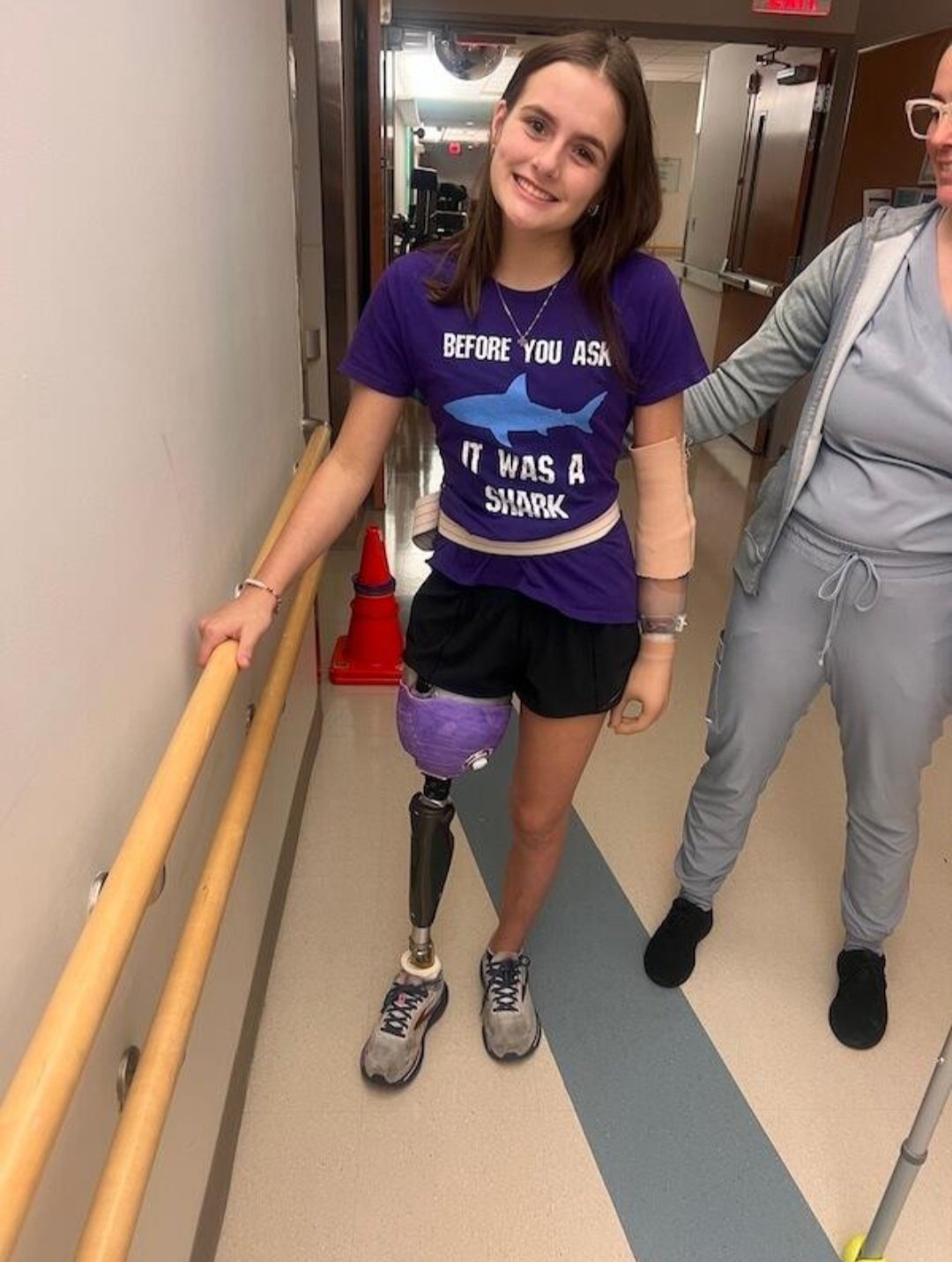
The life-changing ordeal of an Alabama teenager who survived a devastating shark attack has led to the creation of a new nationwide emergency alert system designed to warn beachgoers of recent shark attacks and potentially save lives.
The new legislation, known as “Lulu’s Law,” was signed into law by U.S. President Donald Trump last week. The measure authorizes emergency alerts to be sent to mobile phones when a shark attack occurs nearby, allowing states to notify residents and visitors in much the same way as Amber Alerts warn the public about child abductions.
The law was inspired by Lulu Gribbin, who was just 15 years old when she was attacked by a shark while swimming off Florida’s Panhandle during a family vacation in June 2024. She lost her left hand and part of her right leg in the attack and narrowly survived after beachgoers rushed to her aid and she was airlifted to a hospital.
Gribbin later learned that another woman had been bitten by a shark only 90 minutes earlier and about 3 miles (4.8 kilometers) from the same beach. She said that had she known about the earlier attack, she would never have entered the water. That realization motivated her campaign for an emergency notification system that could warn others before another tragedy occurred.

“It’s really just common-sense legislation,” Gribbin said, explaining that the system would automatically alert people when a confirmed shark attack occurs nearby, allowing swimmers to make informed decisions about entering the water. She expressed hope that the alerts would prevent future injuries and save lives.
Under the new law, the Federal Communications Commission (FCC) is required to authorize emergency shark attack alerts, but individual states will decide whether to implement the system. Alabama, Gribbin’s home state, became the first in the nation to establish such an alert program last year and officially launched it earlier this year.

Despite suffering catastrophic injuries, Gribbin has made an extraordinary recovery. After being fitted with prosthetic limbs, she regained the ability to walk, returned to sports, obtained her driver’s license and even learned to surf. She has become an advocate for beach safety and an inspiration to many people living with disabilities.
The legislation received bipartisan support. U.S. Senator Katie Britt of Alabama, who sponsored the bill, praised Gribbin’s courage and determination, saying her advocacy would protect future generations of beachgoers and that her strength had transformed a personal tragedy into meaningful public safety reform.

Marine scientists have welcomed efforts to improve public awareness while emphasizing that shark attacks remain extremely rare. According to shark researcher Gavin Naylor of the Florida Museum of Natural History, there are only 60 to 80 unprovoked shark bites worldwide each year, and multiple attacks in the same area on the same day are exceptionally uncommon. Experts note that environmental conditions such as schools of bait fish or murky water can occasionally increase the risk of encounters.
Support for the alert system has also come from other shark attack survivors, including Hawaiian spearfisher Braxton Rocha, who believes timely warnings could help both residents and tourists avoid dangerous situations. While researchers stress that sharks generally avoid humans and attacks remain rare, they say providing accurate, real-time information gives beachgoers an added layer of protection.
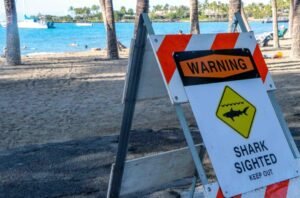
For Gribbin, the law represents more than a policy victory; it is a lasting legacy born from resilience. What began as a near-fatal encounter has become a nationwide effort to improve beach safety, ensuring that others have the information she never received before entering the water.