
Africa
South Africa Rejects Compensation Calls from Nigerians Who Left During Xenophobic Unrest


The South African government has firmly rejected suggestions that it should compensate Nigerian nationals who reportedly abandoned homes, businesses, and other properties during periods of xenophobic violence and anti-foreigner tensions in the country.
Government Minister Khumbudzo Ntshavheni stated that no compensation would be paid by the government to Nigerians who left South Africa out of fear of alleged xenophobic attacks, dismissing calls for financial restitution over losses suffered during previous waves of unrest.
Speaking during a media briefing, Ntshavheni said the South African government does not accept responsibility for compensating individuals who voluntarily departed the country, even if they did so amid concerns about their safety. She maintained that existing legal mechanisms remain available for anyone seeking redress for specific incidents of criminal damage or personal loss.
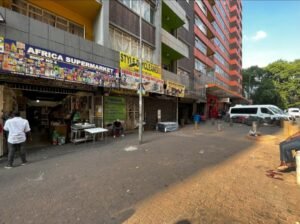
The remarks come amid renewed debate over the impact of xenophobic violence that has periodically affected foreign nationals living in South Africa. Nigerians have often been among the communities most affected by anti-immigrant attacks, which have erupted in several parts of the country over the past two decades.
Relations between Nigeria and South Africa have occasionally been strained by incidents involving attacks on foreign-owned businesses, looting, and violence directed at migrants. Major outbreaks of unrest in 2008, 2015, and 2019 drew condemnation from African governments and international organizations.
During some of those incidents, Nigerian-owned shops and businesses were vandalized or destroyed, prompting the Nigerian government to organize evacuation efforts for citizens who wished to return home. Several Nigerians reported abandoning properties and investments due to security concerns.

Ntshavheni emphasized that South Africa remains committed to protecting all lawful residents within its borders, regardless of nationality. However, she argued that compensation claims against the state would require a legal basis demonstrating direct government liability.
The minister’s comments are likely to generate discussion among affected communities and advocacy groups that have long argued that victims of xenophobic violence deserve greater support and protection. Some organizations have called for enhanced compensation mechanisms for foreign nationals whose businesses and livelihoods were destroyed during periods of unrest.
Analysts note that the issue remains sensitive because of the strong economic and diplomatic ties between Nigeria and South Africa, Africa’s two largest economies. Both countries have repeatedly pledged to strengthen cooperation and address concerns affecting their citizens through diplomatic engagement and bilateral forums.

While Pretoria has ruled out any blanket compensation program, officials continue to stress the importance of maintaining peaceful coexistence and protecting the rights of all residents. The South African government has also highlighted ongoing efforts to combat crime, improve community relations, and prevent future outbreaks of xenophobic violence.
The latest statement appears to close the door on the prospect of government-funded compensation, although affected individuals may still pursue claims through courts or other legal channels where applicable.