
Africa
Government Commissioner Killed as Violence Escalates in South Sudan

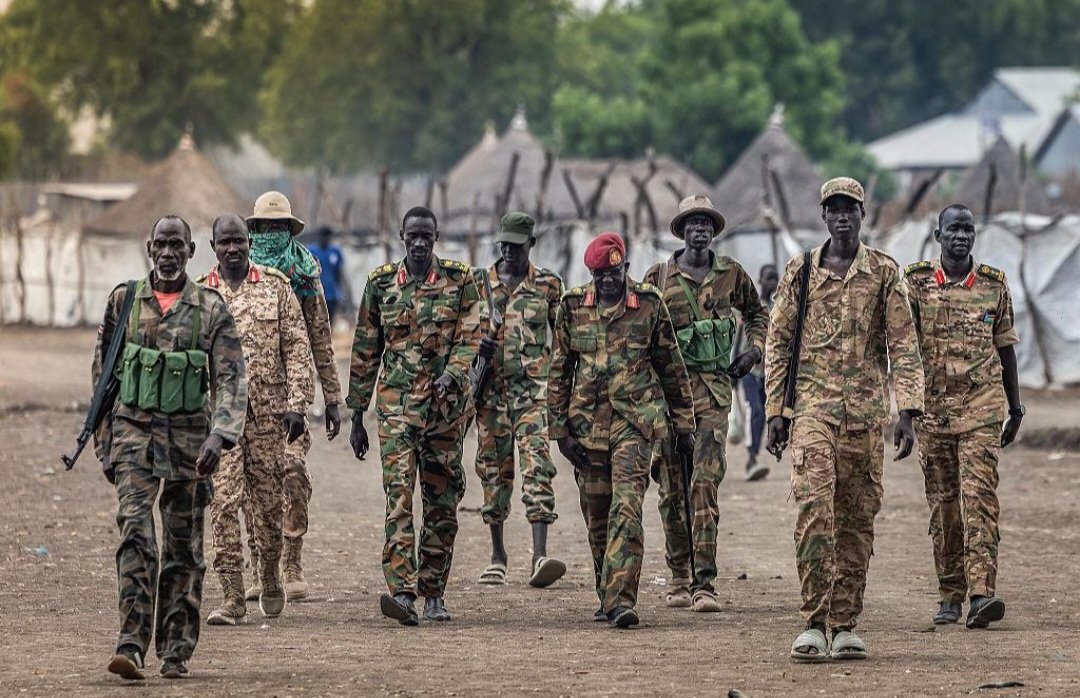
Violence in South Sudan has intensified following the killing of a government-appointed county commissioner in Jonglei State, raising fresh concerns over the country’s fragile peace process and the risk of a return to widespread conflict just months before long-delayed national elections.
According to South Sudanese government officials, James Kueth Makuach, the government-appointed commissioner of Akobo County, was killed on Sunday after opposition fighters launched an assault on Walgak, a remote area in Akobo West. The attack also left an unknown number of soldiers and civilians dead, although authorities have yet to release an official casualty figure.
The commissioner had only recently joined President Salva Kiir’s ruling party after defecting from the opposition earlier this year. His appointment sparked political controversy because the 2018 Revitalized Peace Agreement allocates the Akobo County commissioner position to the opposition party led by detained First Vice President Riek Machar.
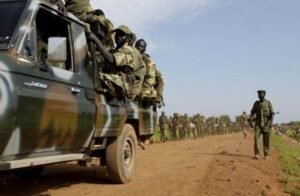
Officials from both the government and the opposition confirmed that opposition fighters briefly seized parts of Walgak before withdrawing after government reinforcements arrived. The attack has further heightened tensions in Jonglei State, an area that has witnessed repeated clashes between government forces and opposition-aligned groups in recent months.
The latest violence comes amid growing fears that South Sudan’s hard-won peace agreement is steadily unravelling. The country’s transitional government has faced mounting political divisions following the detention of Machar on treason charges earlier this year, an action that his supporters say undermined the power-sharing arrangement established after the country’s devastating civil war.
The Reconstituted Joint Monitoring and Evaluation Commission (RJMEC), which oversees implementation of the peace agreement, warned that the continued violence represents a serious violation of the ceasefire and threatens efforts to stabilize the world’s youngest nation. The commission urged all parties to exercise restraint and return to dialogue before the situation deteriorates further.
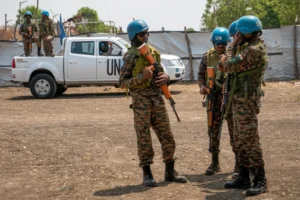
The incident also follows the recent withdrawal of United Nations peacekeepers from parts of Akobo under a broader restructuring of the UN mission. Civil society leaders have expressed concern that reduced peacekeeping presence may leave vulnerable communities exposed to renewed attacks and displacement.
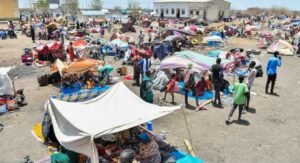
Humanitarian organizations warn that escalating insecurity is worsening an already dire humanitarian crisis. Years of conflict, flooding and food shortages have left millions of South Sudanese dependent on aid, while renewed fighting risks displacing even more families and disrupting relief operations. International agencies have repeatedly called on political leaders to uphold the peace agreement and protect civilians.
The latest assassination is likely to cast further uncertainty over South Sudan’s planned December 22 general election, which would be the country’s first since gaining independence in 2011. Political analysts say continued violence and deepening divisions between rival factions could further delay the vote or undermine its credibility if security conditions continue to deteriorate.
Government authorities have vowed to pursue those responsible for the attack, while opposition representatives continue to dispute aspects of the government’s account. As investigations continue, regional and international observers are urging both sides to recommit to the peace process to prevent South Sudan from sliding back into large-scale conflict.