
Africa
Ramaphosa Warns Against Blaming Migrants for South Africa’s Economic Challenges

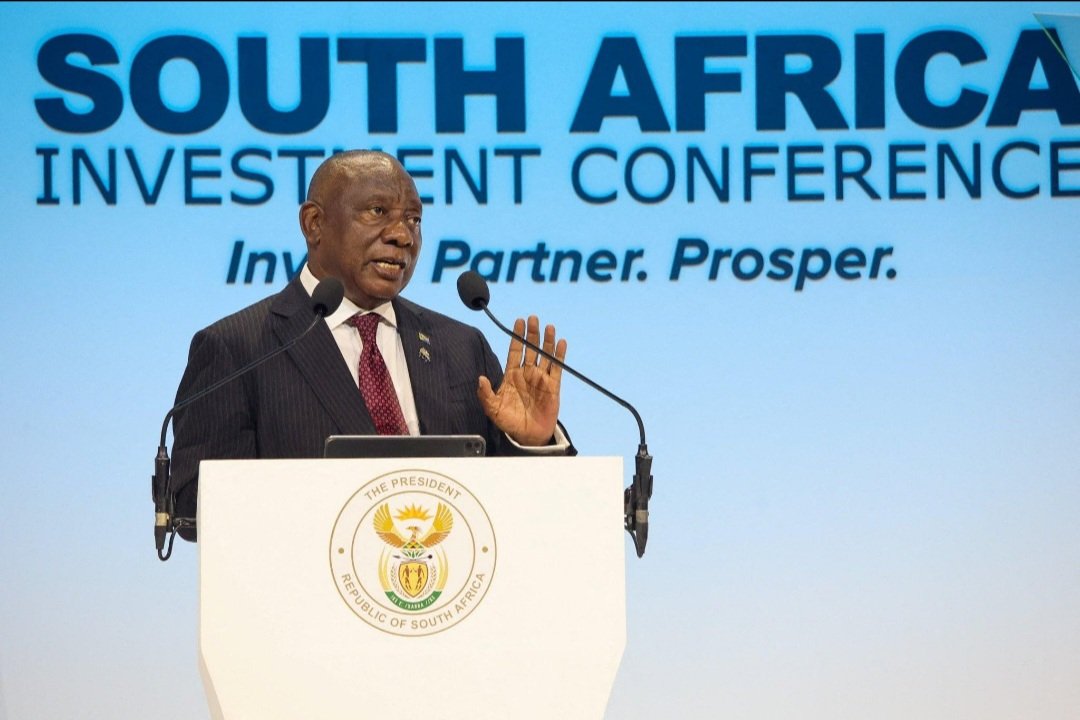
South African President Cyril Ramaphosa has cautioned against blaming migrants for the country’s economic difficulties, warning that scapegoating foreign nationals will not solve the deep-rooted challenges facing Africa’s most industrialized economy.


Speaking amid growing public frustration over unemployment, crime, and the rising cost of living, Ramaphosa said migrants should not be unfairly held responsible for problems that stem from broader economic and structural issues. He stressed that addressing South Africa’s challenges requires comprehensive reforms rather than targeting vulnerable communities.
The president’s remarks come as debates over immigration have intensified across South Africa. Some political groups and community organizations have argued that undocumented migrants place additional pressure on public services, employment opportunities, and social infrastructure. However, Ramaphosa said such claims often oversimplify complex national issues.
According to the president, unemployment, poverty, and inequality remain among the country’s most pressing challenges and require sustained investment, economic growth, and job creation initiatives. He warned that xenophobic rhetoric risks deepening social divisions and undermining national unity.
South Africa has experienced periodic outbreaks of anti-immigrant violence over the past two decades, with foreign nationals from other African countries frequently becoming targets during periods of economic hardship. Human rights organizations have repeatedly urged authorities to combat xenophobia and protect migrant communities.
Ramaphosa emphasized that many migrants contribute positively to South Africa’s economy through entrepreneurship, labor, and investment. He noted that regional migration has long been a feature of southern Africa and that cooperation among neighboring countries remains essential for economic development.
Business leaders and economists have also argued that immigration alone cannot explain South Africa’s economic difficulties. Analysts point to factors such as slow economic growth, electricity shortages, infrastructure challenges, skills gaps, and global economic pressures as key contributors to the country’s struggles.
The president’s comments come ahead of renewed discussions on migration policy, border management, and labor market reforms. Government officials have indicated that efforts to improve immigration controls will continue, but Ramaphosa has insisted that such measures must be implemented within the framework of the law and respect for human rights.
Political observers say the issue is likely to remain a prominent topic as South Africa seeks to revive economic growth while balancing public concerns about migration and employment.
Ramaphosa concluded by calling for unity and constructive dialogue, urging citizens to focus on practical solutions to the country’s challenges rather than directing frustration toward migrant communities.