
Africa
Thousands Flee as South Africa Braces for Nationwide Anti-Immigrant Protests

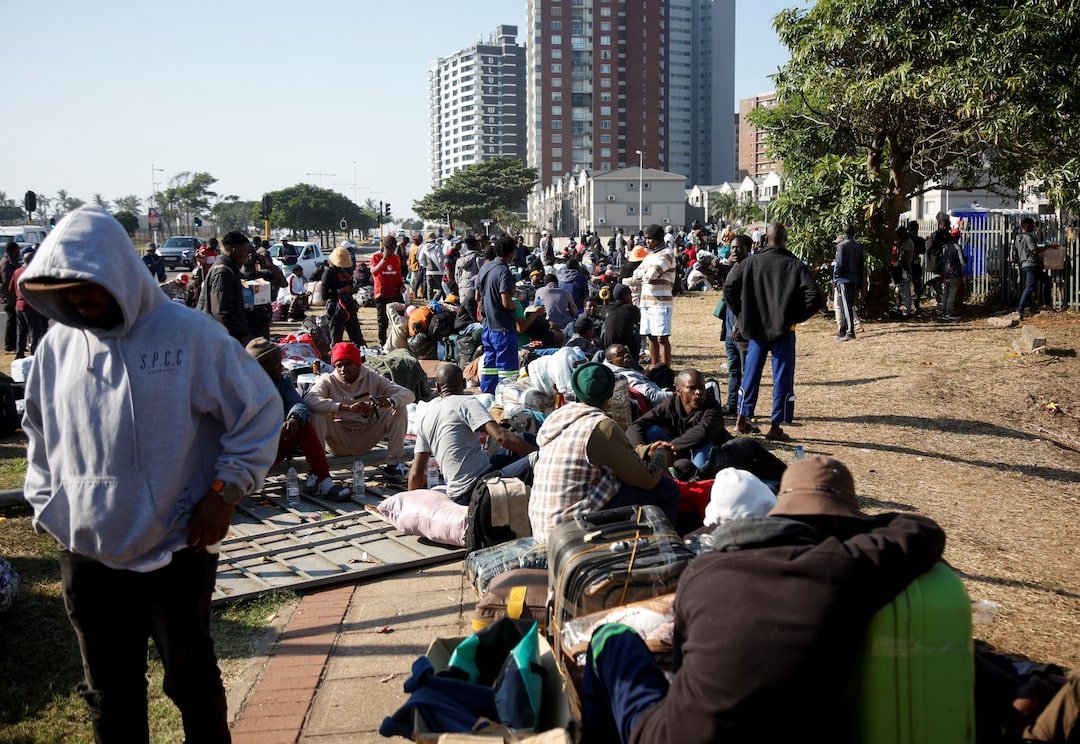
Thousands of foreign nationals are scrambling to leave South Africa as the country prepares for planned anti-immigrant protests on June 30, amid growing fears that demonstrations could trigger violence against migrant communities. The developing situation has sparked concern among neighboring governments, humanitarian organizations, and South African authorities, who are urging calm while strengthening security measures across major cities.
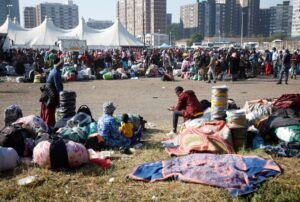
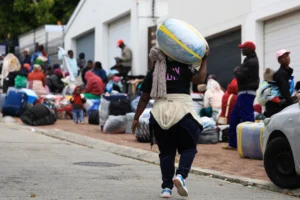
In the coastal city of Durban, thousands of Malawian nationals have gathered at temporary processing centers seeking transportation back to their home country. Similar scenes have unfolded elsewhere, with hundreds of Zimbabweans reportedly sleeping outside their country’s consulate in Cape Town as they wait for evacuation assistance. Many migrants say they fear becoming targets of attacks linked to rising anti-immigrant sentiment.
The protests have been fueled by accusations from anti-immigration activists that undocumented foreigners are contributing to crime, unemployment, and pressure on public services. Organizers have reportedly issued a June 30 deadline demanding that undocumented migrants leave South Africa, raising fears of widespread unrest.
South African President Cyril Ramaphosa has condemned xenophobic violence and called for respect for the rule of law. Government officials and police leaders have warned against vigilantism and pledged to deploy security forces where necessary to prevent attacks on foreign nationals and maintain public order.

Despite those assurances, anxiety remains high among migrant communities. Refugees and asylum seekers from countries including the Democratic Republic of the Congo, Mozambique, Zimbabwe, and Malawi say they have few options if violence erupts. Some have sought refuge in temporary camps, while others are attempting to return home despite uncertain economic prospects.
The situation has prompted neighboring governments to organize emergency repatriation efforts. Malawi, Zimbabwe, Mozambique, and other countries are reportedly working to transport citizens out of South Africa, although officials acknowledge that demand far exceeds available resources. Thousands remain stranded while awaiting documentation, transport, or official assistance.
Analysts say the current tensions reflect deeper socioeconomic frustrations within South Africa, which continues to struggle with high unemployment, poverty, inequality, and public service challenges. While immigrants are often blamed for these problems, several studies and official statistics suggest that migrants make up a relatively small proportion of the country’s population and are not disproportionately responsible for crime.
According to data cited by researchers, migrants account for approximately 4% of South Africa’s population. Economic studies have also found that immigrant communities contribute to local economies through entrepreneurship, labor participation, and consumer spending. Experts argue that structural economic challenges and governance issues are more significant drivers of public frustration than migration itself.
The current wave of anti-immigrant sentiment has revived memories of previous xenophobic outbreaks in South Africa. The most notorious occurred in 2008, when more than 60 people were killed in attacks targeting foreign nationals. Similar incidents have erupted periodically over the years, damaging South Africa’s international reputation and straining relations with neighboring countries.
International organizations, including the United Nations, have expressed concern about reports of harassment, intimidation, and violence directed at migrants. Human rights groups are calling on South African authorities to ensure the protection of vulnerable communities and uphold international obligations regarding refugees and asylum seekers.
As June 30 approaches, security forces remain on high alert while thousands of migrants continue seeking safe passage out of the country. Whether the planned protests remain peaceful or descend into violence could have significant implications not only for South Africa’s social stability but also for regional migration and diplomatic relations across southern Africa.