Africa
UN Calls for Urgent Action After Finding Evidence of Genocide in Sudan’s Darfur Region

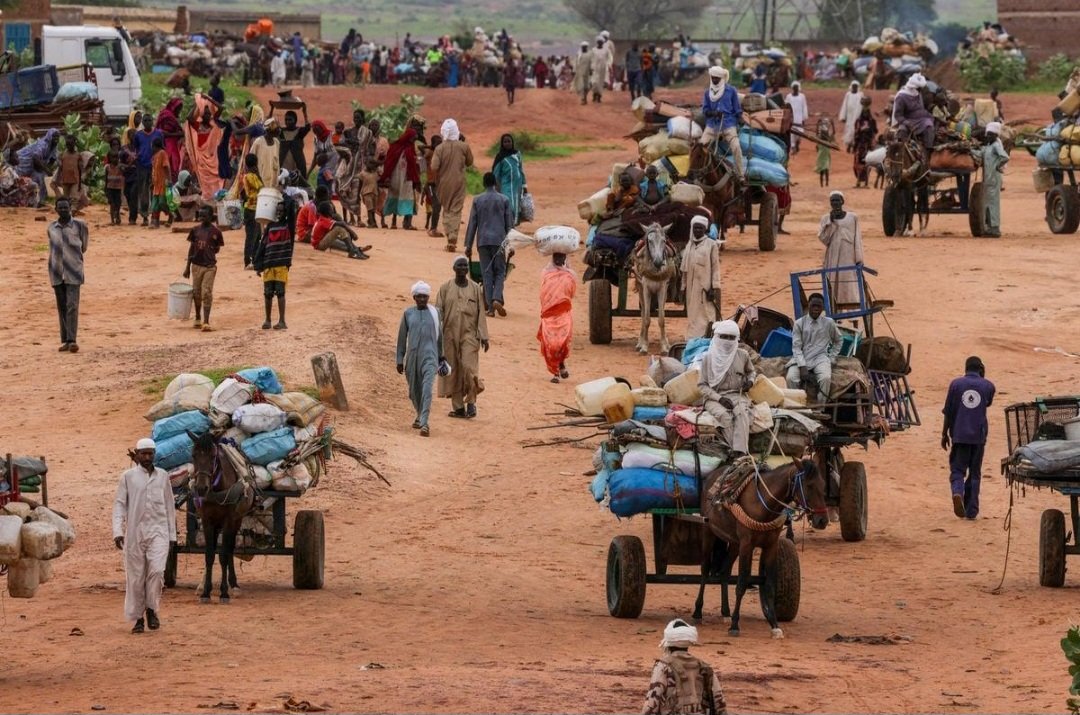
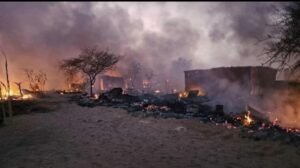
A United Nations fact-finding mission has concluded that atrocities committed by Sudan’s paramilitary Rapid Support Forces (RSF) during the siege and capture of El Fasher in North Darfur amount to genocide, citing evidence of mass killings, widespread sexual violence, abductions, enforced disappearances, and the deliberate starvation of civilians. The findings represent one of the strongest international condemnations of the conflict since Sudan’s civil war began in April 2023.
According to the report, investigators found that the RSF and allied fighters carried out a coordinated campaign targeting civilians, particularly members of the non-Arab Zaghawa and Fur communities. The mission said the violence was not random but formed part of an intentional and organized policy designed to destroy, in whole or in part, protected ethnic groups through killings, serious physical and psychological harm, and conditions intended to bring about their destruction.
Investigators documented harrowing accounts from survivors, including reports of mass gang rapes, the abduction of women and girls, torture, and enforced disappearances. Some witnesses described being assaulted in homes where the bodies of recently killed relatives remained, illustrating the extreme brutality that accompanied the RSF’s assault on El Fasher.
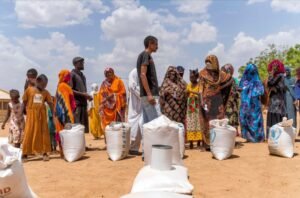
The report also accuses the RSF of using starvation as a weapon of war. The mission found that the group imposed a prolonged siege on El Fasher, blocked humanitarian assistance, restricted access to food, water and medical supplies, and attacked food production systems. Investigators said these actions constituted the war crime of starvation and formed part of a broader strategy against the civilian population.
The RSF has rejected the allegations, maintaining that reports of atrocities have been fabricated by its opponents. The paramilitary group has repeatedly denied responsibility for widespread abuses throughout the conflict and has accused rival forces of committing similar violations.
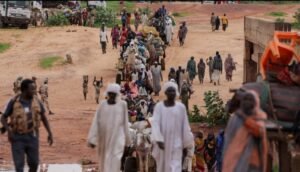
The UN mission warned that the same patterns of violence could soon be repeated in the city of El Obeid in North Kordofan, where the RSF has massed fighters. UN High Commissioner for Human Rights Volker Türk has described the situation there as a developing humanitarian catastrophe, warning of summary executions, torture, sexual violence, and worsening conditions for civilians trapped by the fighting.

The findings have renewed calls for urgent international action to protect civilians and hold perpetrators accountable. Mission Chair Mohamed Chande Othman urged the international community to learn from the atrocities in El Fasher and act swiftly to prevent similar crimes elsewhere, stressing that the warning signs should not be ignored.
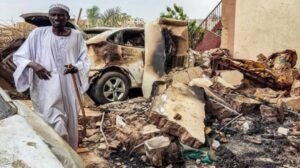
Sudan’s conflict, now in its fourth year, has become one of the world’s worst humanitarian crises. Fighting between the RSF and the Sudanese Armed Forces has displaced millions of people, devastated cities, and left large parts of the country facing severe food insecurity and the collapse of essential services. Humanitarian agencies continue to warn that without greater international support and sustained diplomatic efforts, conditions for civilians are likely to deteriorate further.