
Africa
DR Congo Takes Rwanda to World Court Over Alleged Role in Eastern Conflict

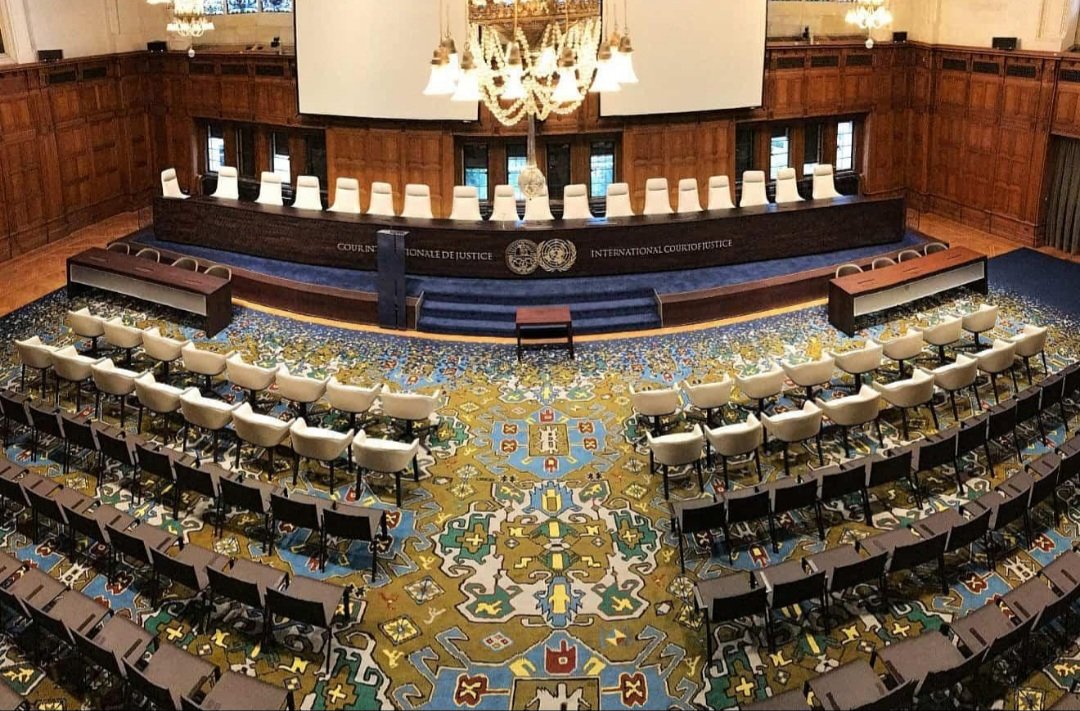
The Democratic Republic of Congo (DRC) has filed a case against Rwanda at the International Court of Justice (ICJ), opening a major new legal front in one of Africa’s longest-running and deadliest conflicts. The case seeks to hold Rwanda accountable for its alleged role in violence, displacement, and human rights abuses that have plagued eastern Congo for more than three decades.
The filing, submitted on June 26, accuses Rwanda of violating several international treaties, including the Convention on the Prevention and Punishment of the Crime of Genocide, as well as conventions relating to racial discrimination, torture, and the protection of civilians. Congolese authorities argue that Rwanda bears responsibility for atrocities committed in eastern Congo since the mid-1990s.
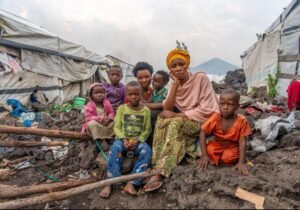
According to the Congolese government, civilians in the eastern provinces have suffered massacres, sexual violence, forced displacement, extrajudicial killings, and widespread destruction linked to armed groups allegedly backed by Rwanda. Kinshasa contends that these actions form part of a broader pattern of interference in Congolese territory.
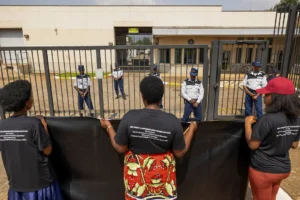
The legal move comes amid renewed international scrutiny of the conflict in eastern Congo, where fighting involving the M23 rebel movement has intensified in recent years. United Nations experts and several international observers have previously reported evidence of Rwandan support for the group, allegations that Kigali has consistently denied.
In its application, Congo is asking the court to formally declare Rwanda responsible for violations of international law, order an end to the alleged conduct, require guarantees that such actions will not be repeated, and award reparations for victims and affected communities.
The case represents the latest chapter in a long and complex dispute between the two neighboring countries. Previous attempts by Congo to bring Rwanda before the ICJ were unsuccessful, with earlier proceedings dismissed on jurisdictional grounds. The new filing seeks to rely on different legal arguments and treaty obligations in an effort to secure a hearing on the merits of the allegations.
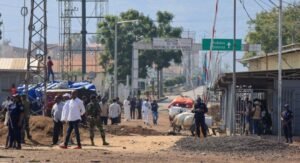
The roots of the conflict stretch back to the aftermath of the 1994 Rwandan genocide, when large numbers of refugees and armed groups crossed into what was then Zaire, now the Democratic Republic of Congo. The resulting instability contributed to the First and Second Congo Wars and the emergence of numerous armed factions that continue to operate in the region.
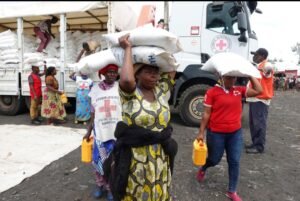
Eastern Congo remains one of the world’s most volatile conflict zones. Humanitarian organizations estimate that millions of people have been displaced over the years, while violence has repeatedly disrupted access to food, healthcare, and education. The region is also rich in valuable minerals, including cobalt, coltan, gold, and tin, resources that have often been linked to armed conflict and illicit trade networks.
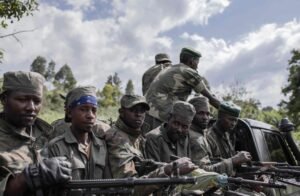
The filing arrives at a delicate diplomatic moment. International efforts led by the United States, Qatar, and regional African organizations have sought to reduce tensions between Kigali and Kinshasa and revive peace negotiations. However, repeated ceasefires have struggled to hold, and fighting has continued in several areas of eastern Congo.
Rwanda has repeatedly rejected accusations that it directs or supports armed groups operating in Congo. Rwandan officials maintain that their country’s security concerns stem from the continued presence in eastern Congo of armed groups linked to perpetrators of the 1994 genocide and argue that Rwanda has a legitimate interest in protecting its borders.
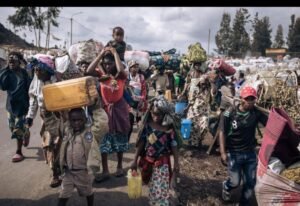
Legal experts say the case could take years to resolve. The ICJ, the principal judicial organ of the United Nations, will first examine questions of jurisdiction and admissibility before considering the substance of Congo’s allegations. Any eventual judgment could have significant implications for regional diplomacy, accountability efforts, and the future of peace initiatives in Central Africa.

For Congo, the lawsuit represents an attempt to secure international recognition of what it describes as decades of suffering endured by civilians in the east. For Rwanda, it presents a fresh legal and diplomatic challenge at a time when regional tensions remain high and international attention on the conflict is growing.