
Africa
France Considers Countermeasures After Burkina Faso Ends Relations

France is evaluating a range of diplomatic responses after Burkina Faso officially announced the termination of diplomatic relations with Paris, deepening a years-long deterioration in ties between the former colonial power and one of its former West African territories.
The decision by Burkina Faso marks a major turning point in relations between the two countries and reflects broader geopolitical shifts taking place across the Sahel region, where several military-led governments have increasingly distanced themselves from France and other Western allies while pursuing new political and security partnerships.
French officials confirmed they had received formal notification of the decision and said the government was considering appropriate reciprocal measures while assessing the implications for French citizens, diplomatic personnel, and bilateral cooperation programs.

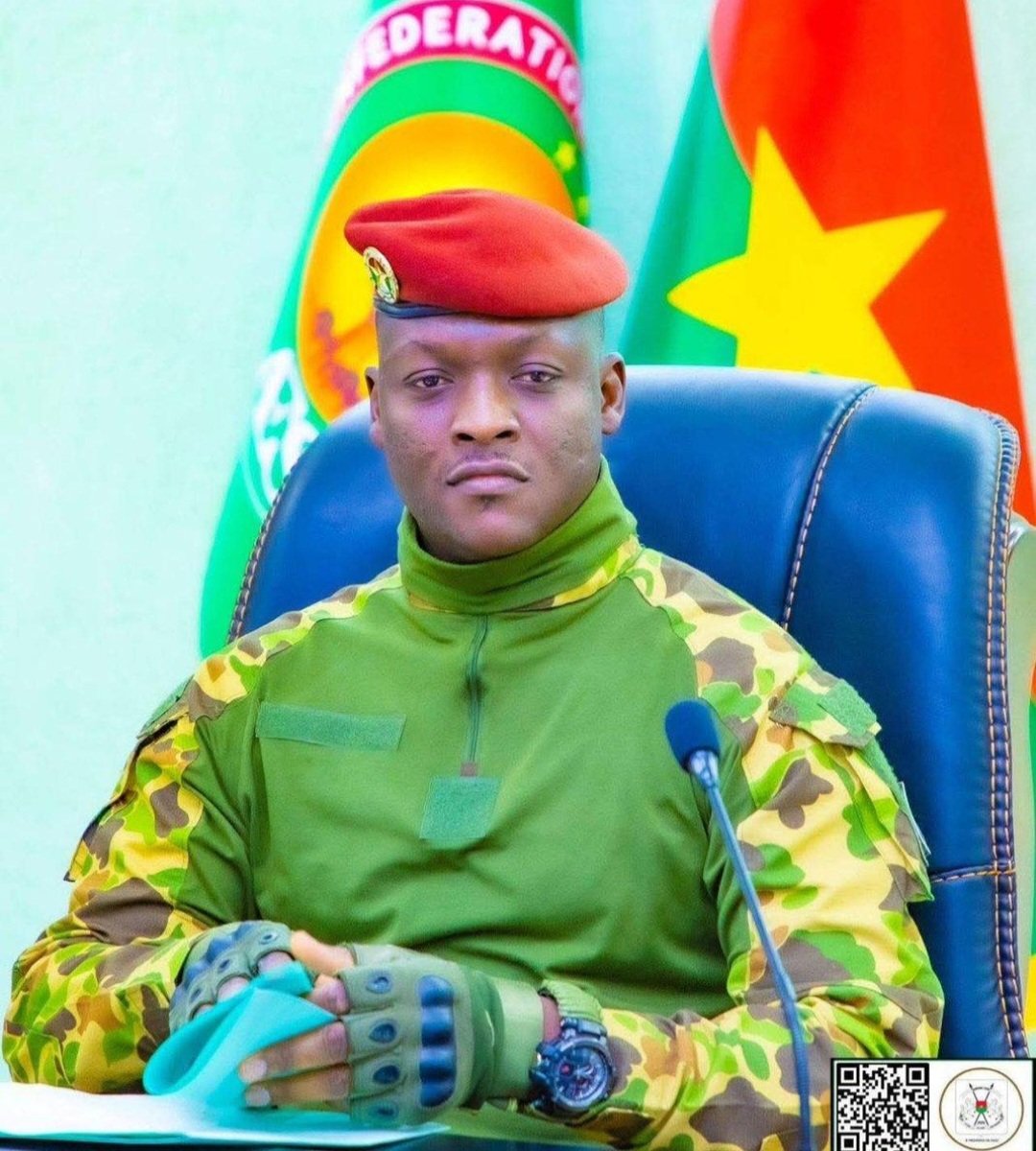
Relations between France and Burkina Faso have been under strain since military officer Captain Ibrahim Traoré came to power following a coup in 2022.
Since taking office, Traoré has positioned himself as a champion of national sovereignty, frequently criticizing what he describes as excessive foreign influence in African affairs.
His government has repeatedly accused France of interfering in Burkina Faso’s internal matters, allegations Paris has consistently denied.
The latest diplomatic break follows months of escalating rhetoric, political disagreements, and security disputes that have steadily weakened relations between the two governments.
Observers say the decision reflects a broader shift in Burkina Faso’s foreign policy as the country seeks to redefine its international alliances and reduce its dependence on traditional Western partners.
The development represents another setback for France’s long-standing influence in Africa.
For decades, France maintained close political, military, and economic ties with many of its former colonies across West and Central Africa. However, recent years have seen a growing backlash against French involvement in the region.
Military-led governments in Burkina Faso, Mali, and Niger have increasingly criticized France’s role in regional security affairs, particularly regarding efforts to combat Islamist insurgencies that have destabilized large parts of the Sahel.
French military forces have already withdrawn from several countries in the region after host governments demanded their departure.
Analysts say Burkina Faso’s latest move underscores the extent to which France’s traditional influence is being challenged by changing political dynamics and rising nationalist sentiment.
The diplomatic rupture is expected to have significant consequences for security cooperation between the two countries.
Burkina Faso continues to face a severe insurgency linked to extremist groups operating across the Sahel. Large areas of the country remain affected by violence, displacement, and humanitarian challenges.
For years, France provided military assistance, intelligence sharing, training, and logistical support to governments across the region as part of broader counterterrorism efforts.
However, cooperation between Paris and Ouagadougou has steadily diminished since the military takeover.
Experts warn that the complete breakdown of diplomatic relations could further complicate efforts to address regional security threats and coordinate responses to cross-border extremist activity.
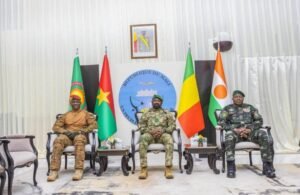
As relations with France have deteriorated, Burkina Faso has moved closer to fellow military-led governments in Mali and Niger.
The three countries formed the Alliance of Sahel States (AES), a regional bloc aimed at strengthening political, economic, and security cooperation among its members.
Supporters of the alliance argue that it represents a new model of African-led cooperation free from external influence.
In addition, Burkina Faso has expanded relations with non-Western partners and sought alternative sources of military and economic support.
These shifts reflect a broader realignment occurring across parts of Africa, where governments are increasingly diversifying their diplomatic relationships and seeking greater strategic autonomy.
French officials expressed regret over Burkina Faso’s decision, emphasizing the historical ties that have connected the two countries for decades.
The French Foreign Ministry stated that Paris remains committed to maintaining dialogue with African nations and supporting stability across the region.
However, officials indicated that France could adopt reciprocal diplomatic measures in response to the move.
Such measures could include adjustments to diplomatic representation, cooperation agreements, and other aspects of bilateral relations.
French authorities are also reviewing potential implications for development projects, educational exchanges, and economic partnerships involving Burkina Faso.
The diplomatic split is being closely watched across Africa and beyond.
Many analysts view the development as part of a wider transformation in African geopolitics, particularly in the Sahel, where governments are increasingly asserting independence from traditional Western partners.
The decision could encourage similar debates in other countries regarding foreign influence, military cooperation, and national sovereignty.
At the same time, experts caution that diplomatic isolation carries risks, particularly for countries facing significant economic and security challenges.
The long-term impact of Burkina Faso’s decision will likely depend on how successfully the country manages new partnerships and whether alternative alliances can provide the support previously offered through cooperation with France.
Despite the current breakdown, diplomatic experts note that severing relations does not necessarily mean a permanent end to engagement.
Countries that have experienced major diplomatic disputes in the past have often restored ties after changes in political circumstances or strategic interests.
For now, however, relations between France and Burkina Faso appear to be at their lowest point in decades.
As Paris considers its next steps and Ouagadougou pursues its new foreign policy direction, the diplomatic rupture stands as a powerful symbol of the changing balance of power and influence in contemporary Africa.