
General News
Power Tariff Hikes Push 1.13 Million Nigerians Off National Grid as DisCos’ Revenue Soars

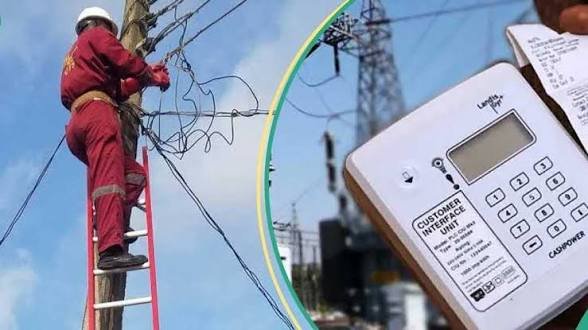
More than 1.13 million electricity consumers disconnected from Nigeria’s electricity distribution network in 2025 as rising power tariffs and lingering supply challenges forced households and businesses to seek alternative energy sources, according to the latest electricity sector data.
Figures contained in the National Bureau of Statistics (NBS) Nigeria Electricity Report, compiled from data provided by the Nigerian Electricity Regulatory Commission (NERC), showed that the number of registered electricity customers dropped from 13.30 million in the fourth quarter of 2024 to 12.16 million in the corresponding period of 2025—an 8.52 per cent decline.
The report suggests that escalating electricity costs, coupled with unreliable power supply, have accelerated the migration of consumers away from the national grid despite ongoing reforms in the sector.
Ironically, the decline in customer numbers did not translate into lower earnings for electricity distribution companies (DisCos). Instead, the 11 DisCos posted significantly higher revenues during the period.
Revenue collected by the distribution companies rose by 23.75 per cent year-on-year to N630.93 billion in the fourth quarter of 2025, up from N509.84 billion recorded during the same period in 2024. On an annual basis, collections climbed from N1.69 trillion in 2024 to N2.32 trillion in 2025.
Electricity supply also recorded modest improvement. Energy distributed increased by 6.76 per cent year-on-year to 6,627.56 gigawatt-hours (GWh), indicating slight gains in electricity delivery across the country.
The report further highlighted progress in the rollout of electricity meters. Metered customers increased to 6.97 million, while the number of unmetered customers declined significantly. More than 57 per cent of electricity users are now on prepaid meters, reducing reliance on estimated billing.
Among the electricity distribution companies, Benin Electricity Distribution Company recorded the highest customer losses, followed by Kaduna Electricity Distribution Company and Yola Electricity Distribution Company. Customer numbers also declined across the Ibadan, Port Harcourt, Kano, Eko, and Jos distribution networks.
In contrast, Enugu Electricity Distribution Company posted the strongest customer growth during the review period, while Abuja Electricity Distribution Company and Ikeja Electricity Distribution Company also expanded their customer base.
Industry observers attribute the shrinking customer base to the increasing adoption of alternative energy solutions by consumers seeking more reliable and affordable power.
In recent months, several manufacturers, large industrial firms and institutions have obtained regulatory approvals to generate their own electricity outside the national grid, citing high tariffs and inconsistent power supply.
The trend has also been reflected in corporate spending, with many listed companies reporting hundreds of billions of naira spent on diesel, gas and other alternative energy sources in the first quarter of 2026.
Despite the developments, the Federal Government insists that ongoing reforms in the electricity sector will yield better outcomes. Minister of Power, Joseph Tegbe, has expressed confidence that Nigerians will experience significant improvements in electricity supply before the end of the year.