
Business
Gold Prices Rise From Two-Week Low Amid Economic Uncertainty and Inflation Watch

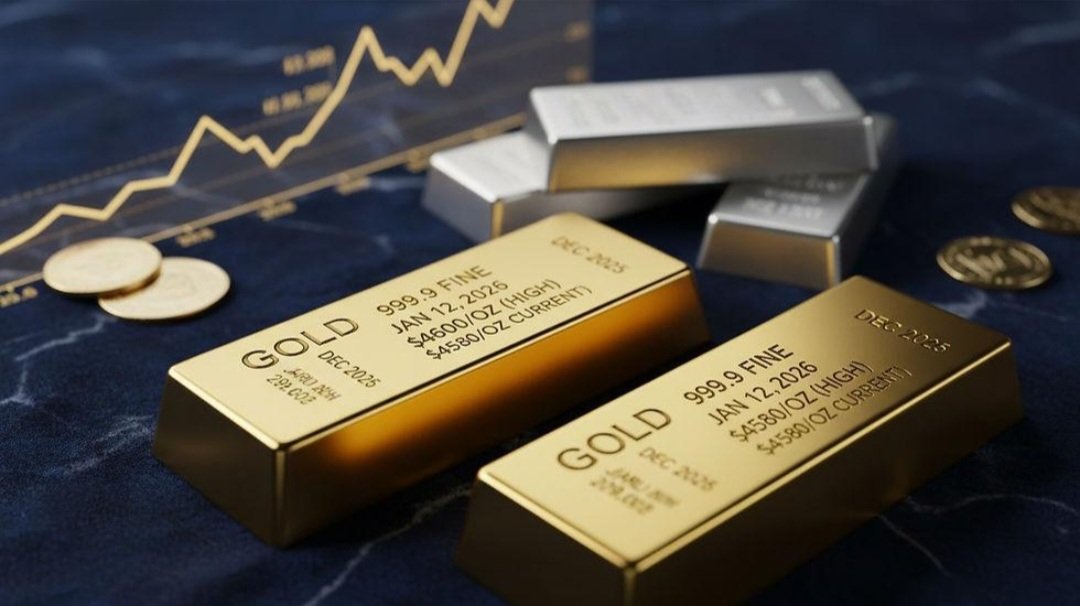
Gold prices rebounded on Tuesday after falling to their lowest level in nearly two weeks, as investors positioned themselves ahead of closely watched U.S. inflation data that could influence the future path of interest rates and monetary policy. The recovery reflects renewed caution in financial markets as traders assess both economic indicators and ongoing geopolitical tensions in the Middle East.
Spot gold rose after suffering losses in previous sessions, supported by bargain hunting and increased demand for safe-haven assets. The precious metal had come under pressure from a stronger U.S. dollar and rising Treasury yields, both of which tend to reduce the appeal of non-yielding assets such as gold. However, investors returned to the market ahead of the release of the latest U.S. Consumer Price Index (CPI) figures.

The inflation report is expected to play a critical role in shaping expectations for the next moves by the U.S. Federal Reserve. If inflation proves higher than anticipated, policymakers may keep interest rates elevated for longer, which could strengthen the dollar and weigh on gold prices. Conversely, softer inflation data could boost expectations of future rate cuts and provide additional support for the precious metal.

Market analysts say investors remain cautious because inflation has become increasingly difficult to predict amid rising energy prices and geopolitical uncertainty. The recent escalation of tensions between the United States and Iran has contributed to higher oil prices, raising concerns that energy costs could fuel broader inflationary pressures in the months ahead.

Gold is traditionally viewed as a hedge against economic uncertainty and inflation. As a result, periods of geopolitical instability often increase demand for the metal. Recent military confrontations in the Middle East, concerns about shipping disruptions in the Strait of Hormuz and volatility in global financial markets have helped maintain underlying support for gold despite pressure from the stronger dollar.

Other precious metals also recorded gains. Silver, platinum and palladium traded higher as investors diversified their holdings ahead of the inflation report. Commodity analysts noted that while gold remains the primary safe-haven asset, broader demand across the precious metals sector reflects investor caution about the global economic outlook.

Financial markets worldwide are closely watching the inflation figures because they could influence not only precious metals but also stocks, bonds, currencies and commodities. Any significant surprise in the data may trigger sharp movements across asset classes as investors reassess expectations for interest rates and economic growth.

For now, gold’s rebound suggests that many investors are opting for a defensive stance ahead of the data release. While the metal has recovered from its recent lows, analysts say its near-term direction will largely depend on whether inflation shows signs of easing or remains stubbornly high, and how the Federal Reserve responds to those developments in the months ahead.