
Business
Oil Prices Hold Steady as Markets Assess Impact of New US Strikes on Iran

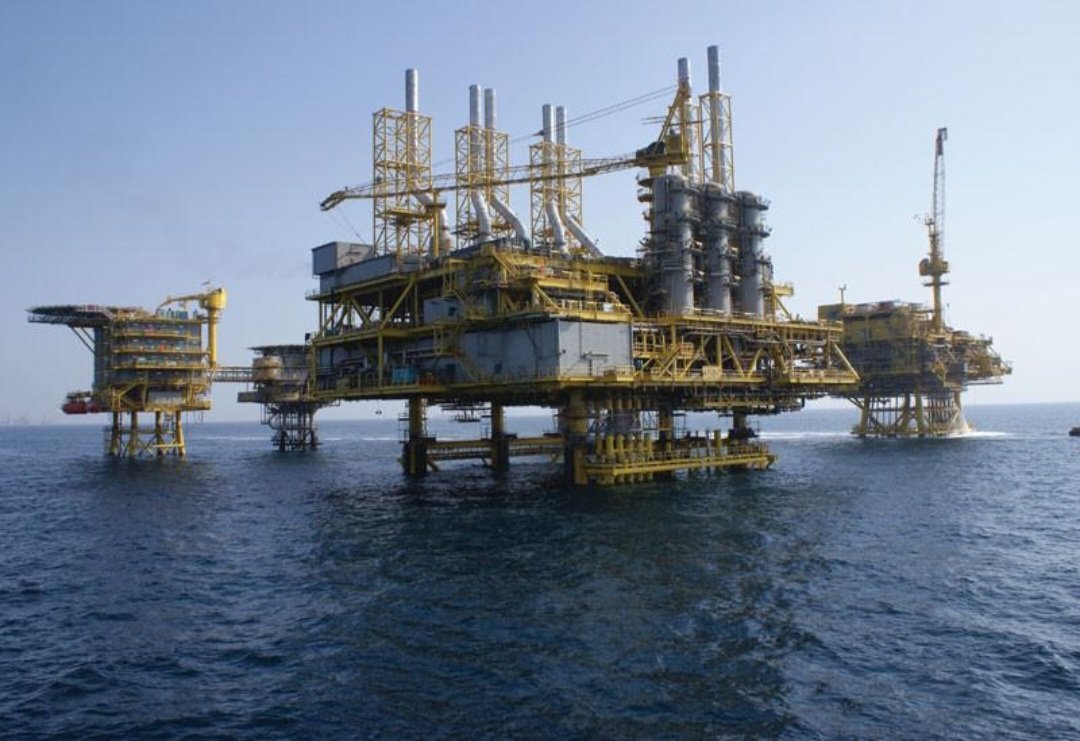
Global oil prices showed little change on Thursday as investors assessed the potential consequences of the latest U.S. military strikes on Iran, balancing concerns over supply disruptions against expectations that crude exports from the region will continue largely uninterrupted.
The muted market reaction came despite a fresh escalation in tensions between the United States and Iran, which has raised fears of broader instability across the Middle East, a region that accounts for a significant share of global oil production and exports.

Analysts said traders are taking a cautious approach, closely monitoring developments around the Strait of Hormuz, the narrow waterway through which roughly one-fifth of the world’s oil supply passes. Any threat to shipping in the strategic corridor could have major implications for global energy markets, fuel prices and inflation worldwide.
While the latest U.S. strikes targeted Iranian military infrastructure, market participants noted that no major oil production facilities or export terminals were immediately affected. As a result, investors have so far avoided the sharp panic-buying that often follows major geopolitical confrontations in oil-producing regions.

Energy market experts say the relatively restrained price movement reflects confidence that Gulf producers, including Saudi Arabia, United Arab Emirates and Kuwait, continue to maintain stable output levels and possess spare production capacity that could help offset potential disruptions.
However, analysts caution that the situation remains highly fluid. Any further escalation involving attacks on energy infrastructure, commercial shipping, or regional oil facilities could quickly alter market sentiment and trigger significant price volatility.
Financial institutions and commodity traders are also evaluating the broader economic implications of the conflict. Rising geopolitical risk typically supports higher crude prices, but concerns about slower global economic growth and softer demand in some major economies have helped limit upward pressure on the market.

Shipping and insurance costs for vessels operating in the Gulf have also come under scrutiny. Maritime security agencies have increased monitoring of shipping routes following recent incidents involving commercial vessels, raising concerns that transportation costs could rise even if physical oil supplies remain unaffected.

Meanwhile, governments across Asia and Europe are watching developments closely. Many countries remain heavily dependent on Middle Eastern energy imports, making stability in the Gulf a key factor in economic planning and inflation management.
Market observers say the next direction for oil prices will largely depend on whether the confrontation remains limited or expands into a broader regional conflict. For now, traders appear to believe that oil flows from the region will continue, helping to keep prices relatively stable despite the heightened geopolitical uncertainty.