
Business
Australia’s Central Bank Watches Impact of High Interest Rates and Rising Energy Costs

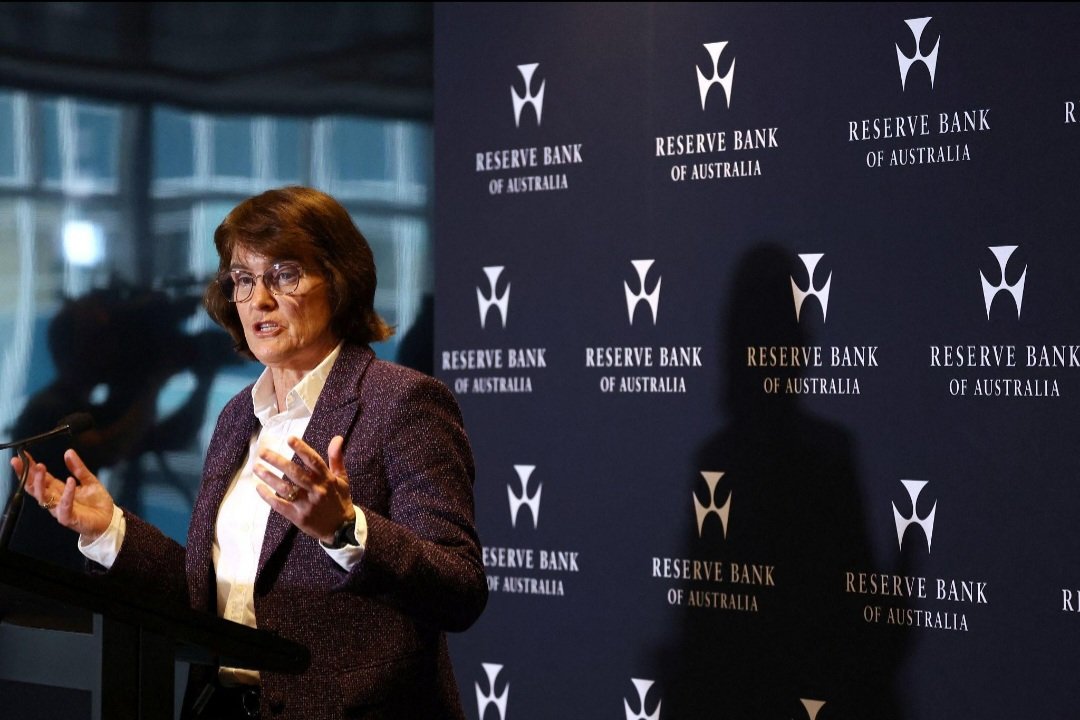
Australia’s central bank says it is closely monitoring the effects of elevated interest rates and a fresh energy price shock on the nation’s economy, as policymakers seek to balance inflation control with economic growth.
Officials at the Reserve Bank of Australia (RBA) have indicated that while inflation has moderated from recent peaks, risks remain due to rising energy costs that could place additional pressure on households and businesses.
Speaking after recent policy discussions, RBA representatives noted that previous interest rate increases are still working their way through the economy. Higher borrowing costs have weighed on consumer spending, housing activity, and business investment, helping to ease inflationary pressures but also slowing economic momentum.

The central bank is particularly focused on developments in energy markets, where higher electricity and fuel prices threaten to increase living costs and potentially feed into broader inflation. Economists warn that sustained increases in energy prices could make it more difficult for inflation to return to the RBA’s target range.
Despite these concerns, Australian policymakers have emphasized that the labor market remains relatively resilient. Employment levels have stayed strong, although there are signs that hiring activity is beginning to soften as businesses adapt to tighter financial conditions.
Analysts say the RBA faces a delicate balancing act. Keeping interest rates high for an extended period could further slow economic activity, while easing policy too quickly risks reigniting inflationary pressures, particularly if energy costs continue to rise.
Financial markets are closely watching upcoming economic data, including inflation, employment, and consumer spending figures, for clues about the central bank’s next policy move. Investors remain divided on whether the RBA will maintain current rates for an extended period or consider future adjustments depending on how inflation and growth evolve.
The latest comments underscore the challenges facing policymakers globally as central banks grapple with persistent inflation risks, geopolitical uncertainties, and volatile energy markets.
For Australian households, the combination of higher borrowing costs and rising energy bills continues to contribute to cost-of-living pressures, making the central bank’s next decisions especially significant for the broader economy.