
Business
China Warns of Retaliatory Measures After UK Moves to Nationalise British Steel

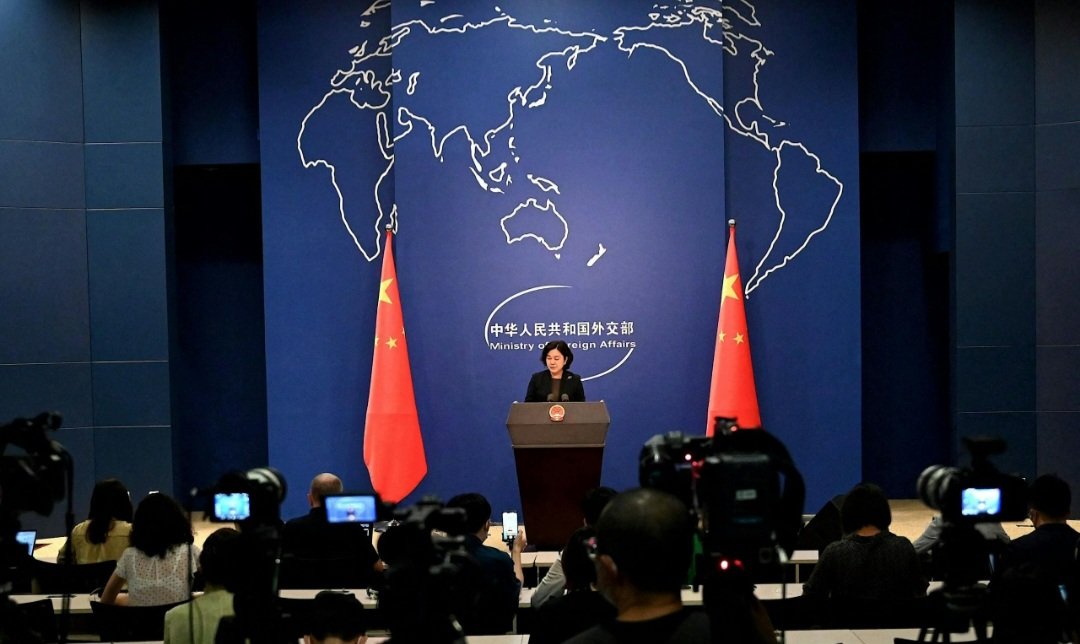
China has warned that it will take necessary measures to protect its interests following the British government’s decision to assume control of British Steel, a move that has sparked fresh tensions between Beijing and London and raised concerns about the future of Chinese investment in the United Kingdom.
The warning came after China’s Foreign Ministry criticized Britain’s handling of British Steel, whose owner, the Chinese steelmaker Jingye Group, lost operational control of the company following emergency action by the UK government. Chinese officials accused Britain of politicizing economic and trade issues and called on London to treat Chinese businesses fairly and in accordance with international commercial principles.

According to Chinese Foreign Ministry spokesperson Lin Jian, Beijing is closely monitoring developments and reserves the right to take steps to safeguard the legitimate rights and interests of Chinese companies operating abroad. Chinese officials did not immediately specify what measures might be taken but stressed that Britain should avoid actions that could undermine investor confidence. Reports from multiple international media outlets indicate that Beijing views the move as a troubling signal for Chinese businesses with investments in the UK.
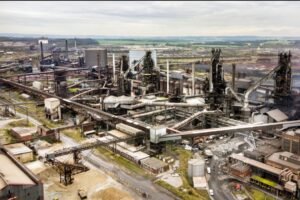
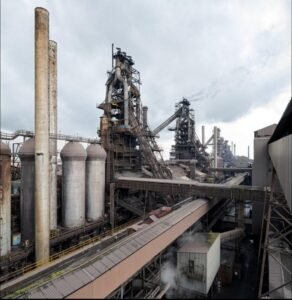
The dispute centers on British Steel, which operates the strategically important Scunthorpe steelworks in northern England. Earlier this year, the British government intervened after concerns mounted over the company’s future and the potential closure of its blast furnaces, facilities considered vital for maintaining Britain’s domestic steelmaking capacity. The intervention ultimately paved the way for effective state control of the business while officials explored longer-term ownership arrangements.
British ministers have argued that the move was necessary to protect thousands of jobs, preserve critical industrial capabilities and safeguard national economic interests. Government officials said allowing production to cease at the Scunthorpe site would have posed significant risks to the UK’s industrial base, defence supply chains and infrastructure projects.
The Chinese-owned Jingye Group acquired British Steel in 2020 after the company entered insolvency proceedings. At the time, the acquisition was welcomed as a lifeline for the struggling steelmaker and helped preserve thousands of jobs. However, rising energy costs, global competition, declining steel demand and disputes over investment plans have strained relations between the company and the British government in recent years.
Analysts say the dispute comes at a sensitive moment in relations between the United Kingdom and China. While both countries continue to maintain significant trade ties, concerns over national security, critical infrastructure and foreign ownership of strategic assets have increasingly shaped British policy toward Chinese investment. The British Steel issue is now being viewed as another flashpoint in a broader reassessment of economic relations between the two countries.
Business groups have also been watching the developments closely, warning that prolonged uncertainty could affect investment decisions. Some economists argue that the government’s intervention may reassure workers and domestic industries, while others caution that disputes involving foreign investors could have wider implications for Britain’s reputation as an open destination for international capital.
Chinese officials have urged dialogue and cooperation to resolve the matter, but Beijing’s warning of potential countermeasures suggests that the issue could evolve into a larger diplomatic and economic dispute if both sides fail to find common ground.
For now, British Steel’s operations continue under government oversight, while discussions regarding the company’s long-term future, ownership structure and modernization plans remain ongoing. Observers say the coming weeks will be critical in determining whether the disagreement remains confined to the steel sector or spills over into the broader relationship between the world’s second-largest economy and the United Kingdom.