
Business
Volkswagen at Crossroads: Stakeholders Weigh Cost Cuts, Competition and Electrification

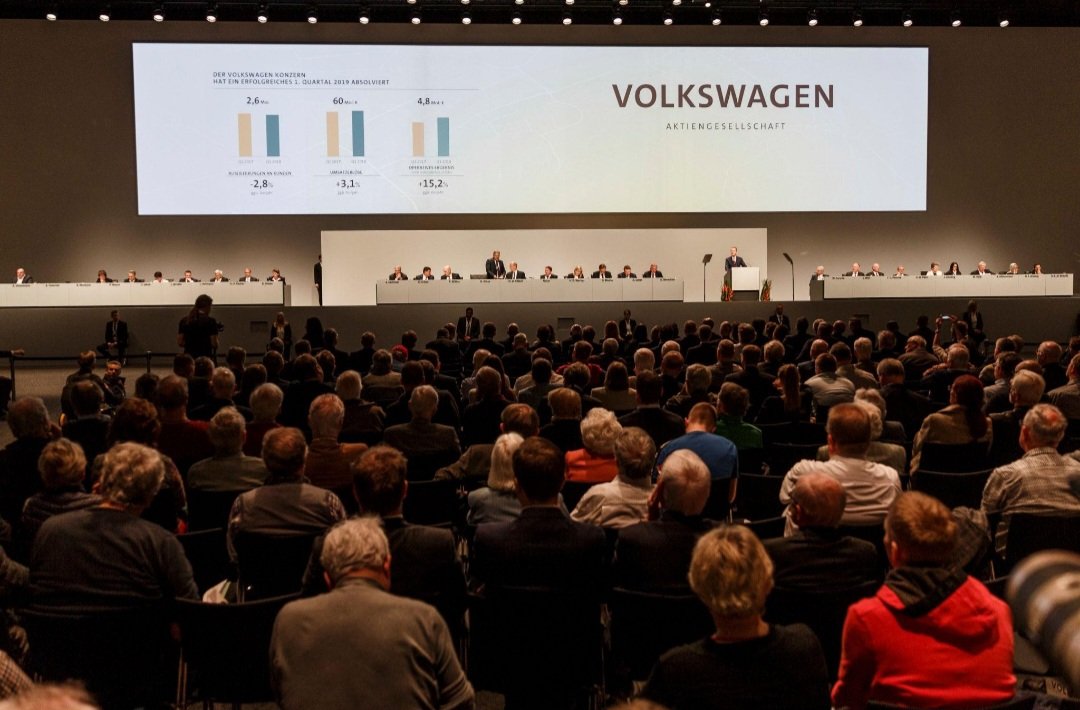
Key stakeholders of Volkswagen AG have gathered in Germany for a crucial meeting that could help shape the future of one of the world’s largest carmakers as it grapples with slowing demand, rising competition from Chinese manufacturers, and the costly transition to electric vehicles.
The high-profile gathering brings together company executives, major shareholders, labor representatives and regional government officials at a time when Volkswagen faces mounting pressure to modernize its operations while maintaining profitability in an increasingly competitive global automotive market.
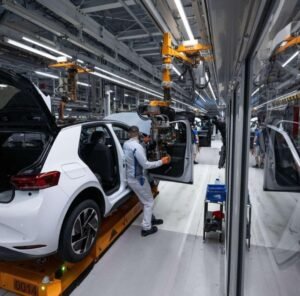
At the center of discussions is Volkswagen’s long-term strategy for navigating the industry’s shift away from traditional combustion-engine vehicles toward electric mobility. While the company has invested billions of euros in electrification, battery technology and software development, it has faced challenges in keeping pace with rapidly evolving market conditions and aggressive competition from both established rivals and emerging manufacturers.
Executives are expected to present plans aimed at improving efficiency, reducing costs and accelerating technological innovation across the group’s portfolio, which includes major brands such as Volkswagen, Audi, Porsche, Škoda and SEAT.
The meeting comes amid growing concerns about Volkswagen’s position in the Chinese market, which remains one of its most important sources of revenue. Chinese electric vehicle manufacturers have gained significant market share in recent years, increasing pressure on foreign automakers to adapt quickly to changing consumer preferences and technological trends.
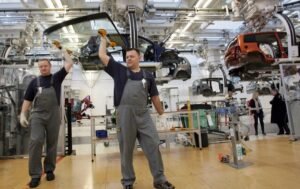
Labor unions and employee representatives are also closely watching the discussions. Proposed restructuring measures and efficiency programs have raised concerns about potential job losses or factory adjustments, particularly in Germany, where Volkswagen remains one of the country’s largest private-sector employers. Worker representatives have called for any reforms to protect employment while ensuring the company’s long-term competitiveness.
Industry analysts say Volkswagen’s ability to balance cost reductions with continued investment in innovation will be critical. The company faces significant spending requirements related to battery production, software development, autonomous driving technologies and new electric vehicle platforms, all while navigating economic uncertainty in key markets.
Investors are expected to seek greater clarity regarding profit targets, electric vehicle sales growth, future product launches and the company’s strategy for competing against rapidly expanding rivals in Europe, China and North America. Many shareholders have urged management to streamline decision-making processes and improve operational performance.
The outcome of the meeting could have implications far beyond Volkswagen itself. As one of the world’s largest automakers, the company’s strategic decisions often influence suppliers, manufacturing partners, labor markets and broader trends within the global automotive industry.
Despite the challenges, company leaders have expressed confidence that Volkswagen can maintain its position as a leading global manufacturer through continued investment in technology, sustainability and product innovation. However, analysts note that the years ahead are likely to be among the most transformative in the company’s history as the automotive sector undergoes one of its biggest transitions in more than a century.