
Business
China’s Economy Grows at Slowest Pace in More Than Three Years as Domestic Demand Weakens

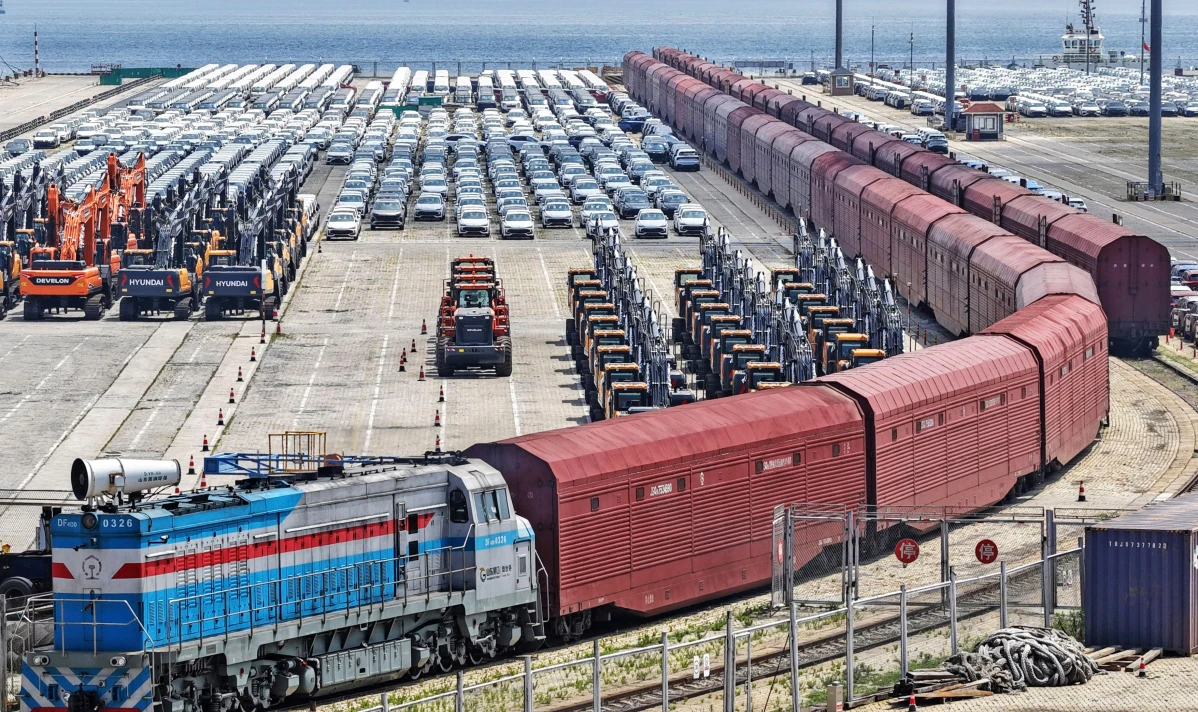
China’s economy expanded at its slowest annual pace in more than three years during the second quarter of 2026, highlighting persistent challenges facing the world’s second-largest economy despite resilient exports and strong industrial production. Official figures released Wednesday showed that gross domestic product (GDP) grew 4.3% year-on-year between April and June, down from 5.0% in the first quarter and below economists’ expectations of about 4.5%. It marked China’s weakest quarterly growth since late 2022.
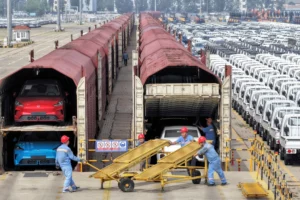
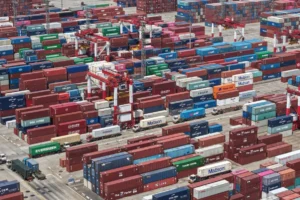
Data released by China’s National Bureau of Statistics showed that the slowdown was driven primarily by weak domestic demand, subdued consumer spending and continued weakness in the country’s property sector. While exports remained a bright spot supported by strong overseas demand for artificial intelligence-related products, electric vehicles and other high-tech goods, household consumption and private investment continued to lag.
The property market remained one of the economy’s biggest drags. Investment in real estate fell by about 18% in the first half of the year as developers continued to grapple with weak housing demand and financial pressures. Overall fixed-asset investment also remained sluggish, reinforcing concerns that confidence among businesses and consumers has yet to recover fully.
Despite the weaker GDP reading, several monthly indicators offered some encouragement. Industrial production and retail sales in June exceeded market expectations, suggesting that government support measures may be helping stabilize parts of the economy. However, analysts cautioned that these improvements were not enough to offset broader structural weaknesses, particularly the imbalance between strong manufacturing output and sluggish domestic consumption.
China’s economy has also faced additional pressure from rising global energy costs linked to recent geopolitical tensions in the Middle East. Higher oil prices have increased production and transportation costs for Chinese businesses, adding another obstacle to economic recovery at a time when consumer confidence remains fragile.
Economists expect the latest figures to increase pressure on Beijing to introduce additional stimulus measures. Many analysts believe policymakers are likely to prioritize targeted fiscal support aimed at boosting household consumption rather than launching large-scale infrastructure spending or broad monetary easing. Attention is now turning to the upcoming meeting of the ruling Communist Party’s Politburo, where senior leaders are expected to outline their economic priorities for the second half of the year.

Despite the disappointing quarter, China’s government remains confident of achieving its full-year growth target of 4.5% to 5.0%. The economy expanded 4.7% during the first half of 2026, leaving room for policymakers to reach the official target if domestic demand strengthens in the coming months. International institutions, however, continue to warn that long-term challenges; including an aging population, high local government debt and the prolonged property downturn, could weigh on future growth.
Financial markets reacted cautiously to the data, with investors closely watching for signs of fresh government intervention. While China’s export sector has continued to benefit from demand for advanced technology products, economists say sustainable growth will depend on restoring confidence among households, encouraging private investment and addressing deep-rooted structural imbalances across the economy.