
Business
BMW Launches Neue Klasse in China as German Carmakers Battle to Stay Competitive in EV Race

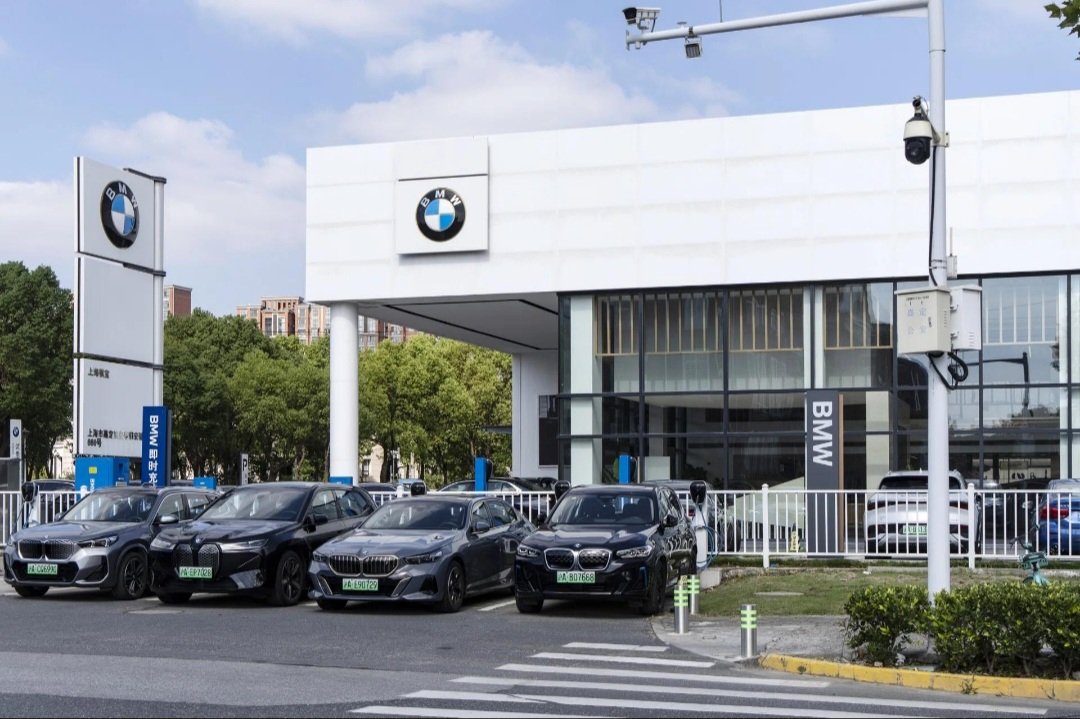
German luxury automaker BMW is preparing to introduce its highly anticipated Neue Klasse electric vehicle lineup in China, a move the company hopes will strengthen its position in the world’s largest electric vehicle market. However, industry analysts warn that German manufacturers face mounting challenges as Chinese competitors continue to outpace them in technology development, software innovation and product rollout speed.
The Neue Klasse platform represents BMW’s most significant electric vehicle initiative in years. Built from the ground up for battery-powered vehicles, the new architecture promises longer driving ranges, faster charging times, improved efficiency and advanced digital features. BMW executives see the platform as a critical pillar of the company’s future growth strategy, particularly in China, where electric vehicles have become the dominant force in the automotive industry.
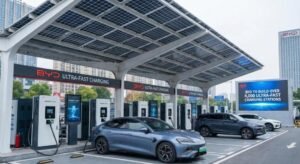
China has become the center of the global EV revolution, accounting for more than half of worldwide electric vehicle sales. Domestic manufacturers such as BYD, NIO, XPeng and Li Auto have rapidly gained market share by introducing new models at a pace that many foreign competitors have struggled to match. Their vehicles often feature cutting-edge software, advanced driver-assistance systems and highly integrated digital ecosystems tailored specifically to Chinese consumers.
Analysts say one of the biggest obstacles facing German manufacturers is the lengthy product development cycle that has traditionally defined the European automotive industry. While Chinese EV makers can introduce major upgrades within months, established German brands often require several years to develop and launch new vehicle platforms. This slower pace has become a competitive disadvantage in a market where consumer preferences and technology evolve rapidly.
The challenge extends beyond hardware. Industry experts argue that software has become a decisive factor in China’s EV market. Chinese buyers increasingly expect vehicles to function as connected digital devices, offering artificial intelligence features, seamless smartphone integration, advanced voice assistants and frequent over-the-air updates. Domestic manufacturers have excelled in these areas, while some traditional automakers have struggled to modernize their software systems quickly enough.
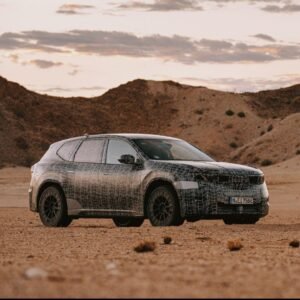
BMW believes the Neue Klasse platform addresses many of these concerns. The company says the new vehicles will feature a next-generation operating system, improved digital interfaces and significantly enhanced battery performance. Executives have described the project as a transformational step that will redefine BMW’s electric vehicle lineup and help the company compete more effectively against both Chinese rivals and international competitors.
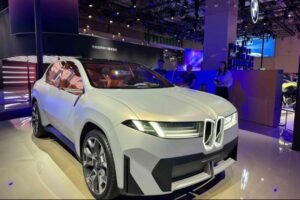
The pressure is not limited to BMW. Other German automotive giants, including Mercedes-Benz and Volkswagen, are also investing heavily in new EV platforms and software partnerships to regain momentum in China. Volkswagen, in particular, has expanded cooperation with Chinese technology firms in an effort to accelerate development and better adapt products to local tastes.

Despite the challenges, analysts note that German brands continue to enjoy strong reputations for engineering quality, safety and premium craftsmanship. The key question is whether those traditional strengths can offset the technological advantages increasingly held by China’s domestic EV champions. With competition intensifying and price wars continuing across the sector, the success of BMW’s Neue Klasse could serve as a crucial test of whether established global automakers can remain relevant in the rapidly evolving Chinese market.
Investors and industry observers will be watching closely as BMW rolls out its next-generation electric vehicles. The outcome may help determine not only BMW’s future in China but also the broader ability of European automakers to compete in an industry increasingly shaped by Chinese innovation and consumer demand.