
War
US Launches Fresh Airstrikes on Iran After Deadly Attack Kills American Troops

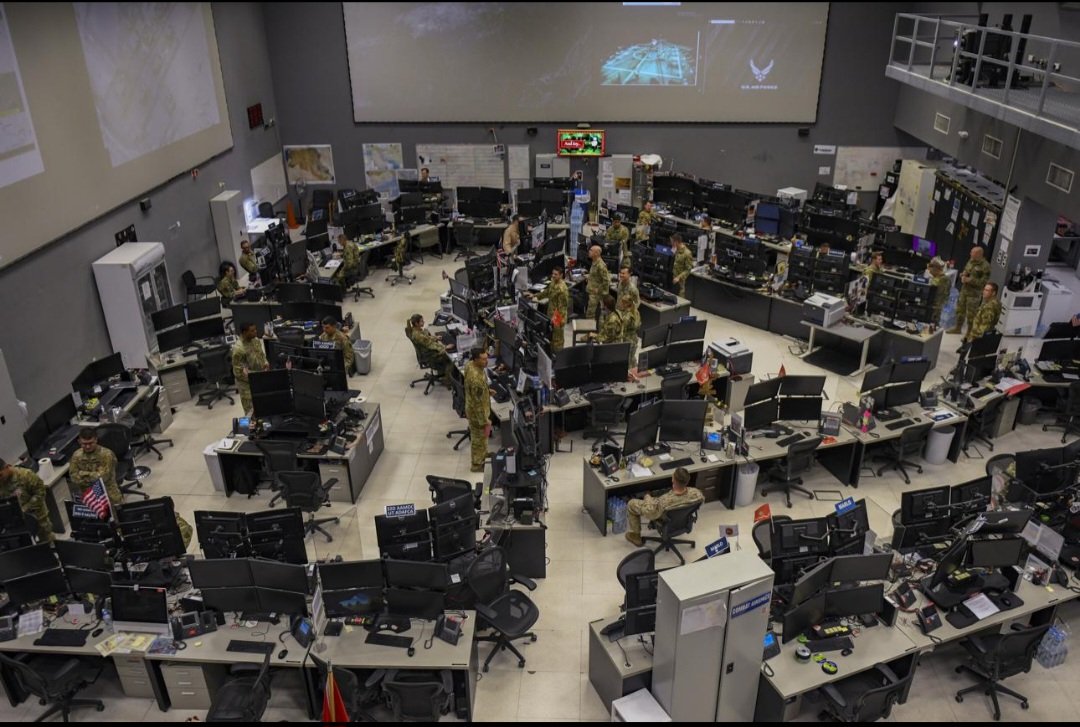
The United States has launched a fresh wave of airstrikes against Iranian military targets, marking one of the most significant escalations in the ongoing conflict between Washington and Tehran after two American service members were killed in an Iranian missile and drone attack on a military base in Jordan.


The strikes, ordered by President Donald Trump, were described by the U.S. military as an effort to “swiftly punish” those responsible for the deaths of American troops while degrading Iran’s ability to threaten U.S. forces and commercial shipping in the strategically vital Strait of Hormuz.
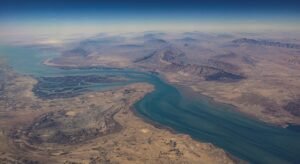
According to the U.S. Central Command (CENTCOM), American aircraft struck multiple military-related sites across southern Iran, including areas around Sirik, Hajiabad, Bandar Abbas and Qeshm Island. Officials said the targets included infrastructure linked to Iran’s military operations, such as air-defense systems, tunnels, bridges and facilities believed to support military logistics.
The latest operation follows an Iranian missile and drone assault on the Muwaffaq Salti Air Base in Jordan, where two U.S. service members were killed and another remains missing. Several additional personnel were wounded, though many have since returned to duty after receiving treatment. The Pentagon described the attack as the first publicly confirmed U.S. combat fatalities caused directly by Iranian fire since the conflict intensified earlier this year.
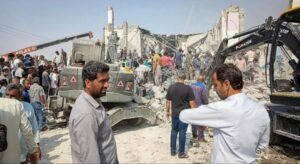
President Trump defended the military response, saying the United States would not allow attacks on its personnel to go unanswered. Administration officials said the objective is not only retaliation but also reducing Iran’s capability to disrupt international shipping through the Strait of Hormuz, one of the world’s most important energy corridors through which roughly one-fifth of global oil supplies pass.
Iran, however, disputed U.S. claims regarding the effectiveness of the strikes, insisting that damage to military infrastructure was limited. Tehran also warned that continued American attacks would provoke further retaliation. Senior Iranian officials accused Washington of expanding the war and pledged that any additional strikes would be met with a “decisive response.”
The renewed fighting comes after an interim ceasefire collapsed last week, ending hopes that diplomatic efforts could halt months of escalating violence. Since then, both countries have exchanged repeated military attacks, with Iran launching missiles and drones toward U.S. military facilities across the Gulf while Washington has intensified its aerial campaign against Iranian military assets.
Regional tensions have spread beyond Iran and Jordan. Several Gulf states have heightened security around key military installations and energy infrastructure, while shipping companies continue to monitor risks in the Strait of Hormuz amid fears that the conflict could further disrupt global oil supplies and international trade.
International observers have expressed concern that the latest exchange could push the region closer to a wider war involving additional state and non-state actors. Diplomatic efforts by regional mediators remain stalled as both Washington and Tehran harden their positions following the latest bloodshed.
As military operations continue, analysts warn that the deaths of U.S. troops and the subsequent American retaliation represent a dangerous turning point in the conflict, raising fears that further attacks and counterattacks could destabilize the broader Middle East in the weeks ahead.