General News
ActionAid Nigeria Warns 79% of Nigerians Poor or Vulnerable as Insecurity, Debt, and Flood Risks Deepen

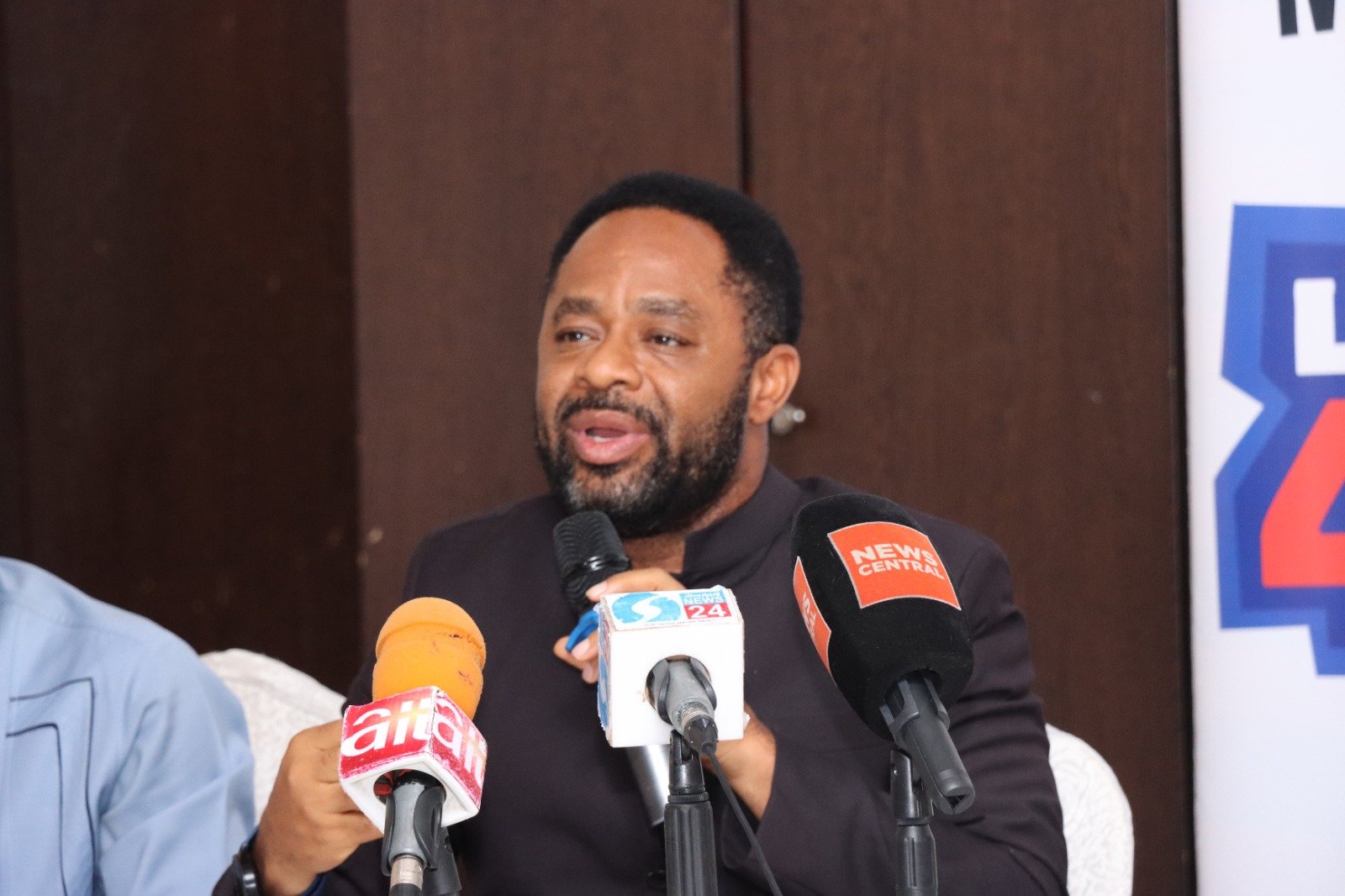
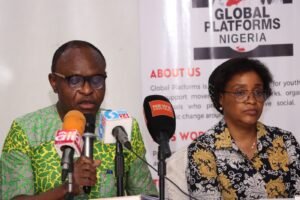
The General Assembly of ActionAid Nigeria has issued a stark warning over the escalating hardship, insecurity, and democratic fragility facing the nation, following its Annual General Meeting held in Abuja on Saturday 18 July 2026.
In a press conference addressed after the review, the organisation expressed grave concern that despite some policy wins, the lives of Nigeria’s poorest and most vulnerable citizens are worsening, with nearly four out of five Nigerians either poor or at risk of falling into poverty.
While the General Assembly welcomed the renewed legislative push for the establishment of state police, the Federal Executive Council’s approval of comprehensive NYSC reform, and the introduction of a new community-level flood forecasting system, it stressed that Nigerians are still waiting to see whether these initiatives translate into real protection and prosperity.
The organisation noted that Nigeria’s external reserves have grown to about $51.5 billion, but cautioned that total public debt has ballooned to ₦156.28 trillion, with a staggering $11.6 billion set aside for debt servicing in 2026 alone—more than the combined federal budget for education, health, and agriculture.
Citing a recent World Bank warning, ActionAid Nigeria highlighted that despite ongoing reforms, 79% of Nigerians remain poor or vulnerable to poverty.
This is compounded by a June headline inflation rate of 15.91% as reported by the National Bureau of Statistics, with food prices continuing to rise, petrol selling above ₦1,100 per litre, and the ₦70,000 minimum wage proving insufficient to sustain a family anywhere in the country.
A major concern raised during the review was the relentless attack on schools and children.
The General Assembly noted that between May and July 2026 alone, at least 124 schoolchildren and students were reported abducted across Oyo, Borno, and Zamfara states, underscoring the worsening threat to education and learner safety.
While welcoming the recent rescue of the 39 Oyo pupils and six surviving teachers, ActionAid Nigeria demanded that the Federal Government treat the rescue of all abducted children and teachers still in captivity as a national emergency.
“Nigeria has shown that swift rescue is possible when political will exists. There must be a visible, coordinated, adequately resourced rescue and protection operation with clear timelines and public updates,” the Assembly stated, calling for the full funding and implementation of the Safe Schools Declaration with community-level security in rural and newly threatened states.
The organisation also reviewed Nigeria’s democratic environment ahead of the 2027 elections, drawing lessons from the Ekiti State governorship election held on 20 June 2026 and several bye-elections.
While the election was largely peaceful and saw improved logistics, the Assembly reported allegations of vote-buying, voter intimidation, malfunctioning accreditation equipment, and inconsistencies among ballot papers, result sheets, and INEC’s published list of candidates.
ActionAid Nigeria urged INEC to take concrete steps to prove its neutrality, treating these irregularities as urgent lessons for 2027 rather than isolated incidents.
“INEC must treat the irregularities documented in the Ekiti election… as urgent lessons for 2027, not isolated incidents, so that Nigerians can trust the process that determines who governs them,” the Assembly said, calling for sustained voter education in rural communities.
On the proposed establishment of state police, ActionAid Nigeria noted that the Senate has passed a constitutional amendment bill while the President has transmitted a fresh Constitution Alteration Bill to the House of Representatives. The organisation urged the National Assembly to act with urgency while ensuring that safeguards against political abuse are preserved intact and that a credible funding framework is established so that the poorest states are not left the least protected.
The Assembly also called for a comprehensive strategy rooted in community intelligence, trust, and accountability to address the spread of banditry into Oyo, Kogi, Lagos, Zamfara, Ogun, and the recurring violence in Plateau, stating that the situation demands “honest structural rethinking, not incremental adjustments.”
On economic policy, ActionAid Nigeria demanded that the Federal Government plug revenue leakages and opaque FAAC deductions, publish full auditable accounts of all deductions at source, and design a credible debt management framework that reduces the burden of debt servicing and redirects resources toward investment in people.
The organisation also expressed support for the public health goal behind the proposed sugar tax reform but warned that its current design risks harming small retailers, distributors, and producers who can least afford it, calling for an urgent review of the tax’s impact on small businesses and a clear mechanism to track revenue for primary healthcare in underserved communities.
With nearly 35 million Nigerians facing acute food insecurity in the 2026 lean season, the Assembly called for an audit of social protection programmes, publication of beneficiary data, and a focus on women, youth, and rural communities in delivery.
It also highlighted the cholera outbreak in Borno State and the rising burden of non-communicable diseases as predictable consequences of decades of underinvestment in primary healthcare, urging the Federal Government to fully capitalise and disburse the Basic Health Care Provision Fund and ensure rural health centres are functional.
On the recent reduction in the ex-depot price of petrol by the Dangote Refinery, ActionAid Nigeria noted that the move has not provided sufficient relief as petrol still sells above ₦1,100 per litre.
The Assembly expressed concern that the refinery’s decision to price local fuel sales in dollars raises concerns about exchange-rate exposure and future pump prices, which could further increase transport and food costs.
The Federal Government was urged to ensure that lower ex-depot prices reach consumers, while the Nigerian Midstream and Downstream Petroleum Regulatory Authority and the Federal Competition and Consumer Protection Commission work to prevent anti-competitive practices and exploitative pricing.
With the Federal Government placing 33 states and the FCT on high flood alert and over 14,000 communities, nearly 5,000 health facilities, and over 10,000 schools at risk between July and September, the Assembly called on all States and local governments to urgently clear blocked drainage channels and stop building on known floodplains, while NEMA and state emergency agencies must be fully resourced and prepared throughout the high-risk period. “Nigeria cannot keep responding to a disaster it predicts every single year,” the General Assembly stated.
In closing, ActionAid Nigeria called on civil society organisations, the media, faith communities, and all Nigerians to continue to speak up, hold the government accountable, and stand with the families whose children are still waiting to come home.
“ActionAid Nigeria remains committed to standing with people living in poverty and exclusion, to pursuing social justice and gender equality, and to ensuring that Nigeria’s development does not leave the most vulnerable behind,” the Assembly affirmed.