
World News
Israel Builds Miles-Long Earthen Barrier in Gaza, Deepening Territorial Division

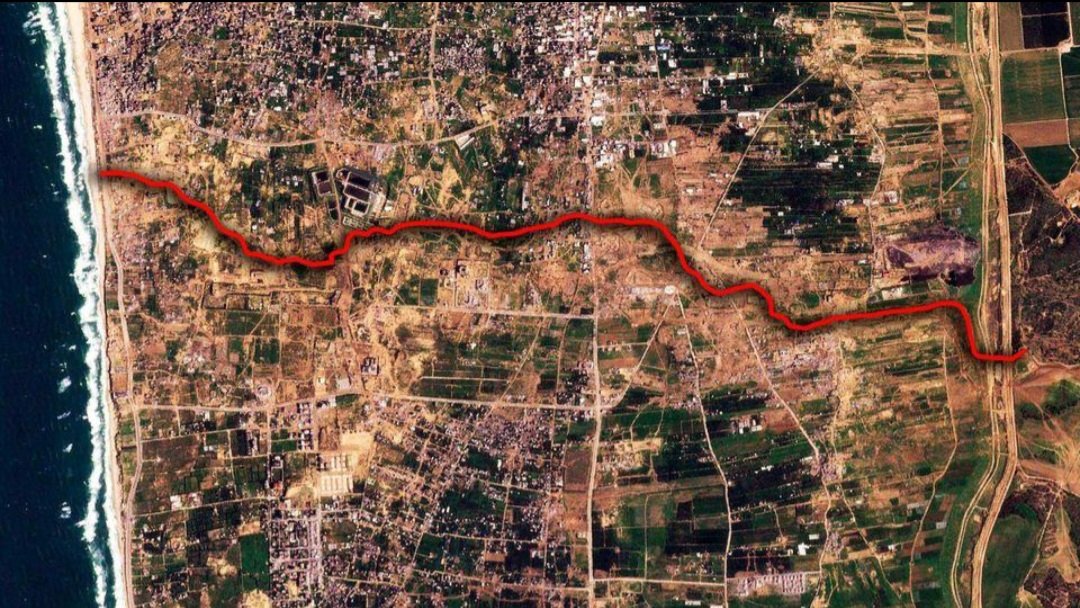
Israel is constructing a massive earthen barrier stretching for miles across parts of the Gaza Strip, a project that military officials describe as a security measure but which critics say could further divide the Palestinian territory and complicate future political negotiations.
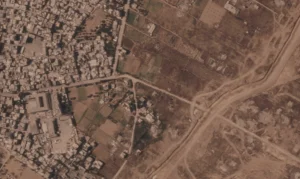
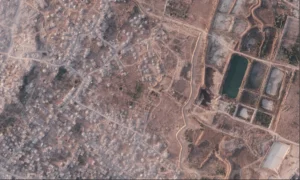
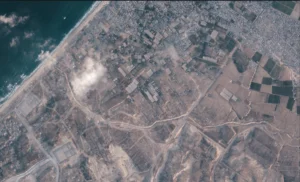
According to satellite imagery analyzed by international media organizations and security experts, the barrier consists of large earth embankments, trenches, roads and fortified positions extending across strategic sections of Gaza. The project appears designed to create a more permanent separation between areas under Israeli military control and the rest of the enclave.
The construction comes as Israel continues military operations launched following the October 2023 Hamas attacks and the subsequent war that has devastated much of Gaza. Israeli officials argue that enhanced defensive infrastructure is necessary to prevent future attacks, disrupt militant movement and protect Israeli communities near the border.
Military analysts say the barrier is part of a broader network of security corridors that Israel has established during the conflict. These corridors allow Israeli forces to move troops and equipment more easily while creating buffer zones intended to restrict the movement of armed groups.
However, the project has generated significant controversy. Palestinian officials and human rights organizations argue that the construction could effectively partition Gaza into separate sections, making civilian movement more difficult and potentially affecting future reconstruction efforts. Critics also contend that such infrastructure could alter realities on the ground before any long-term political settlement is reached.
Urban planners and regional experts note that physical barriers often have long-lasting consequences beyond their immediate military purpose. Roads, embankments and fortified zones can reshape transportation networks, economic activity and population movement for years or even decades.
The development has also drawn international attention because of its implications for Gaza’s future governance and territorial integrity. Diplomatic discussions involving regional and international actors have focused heavily on post-war arrangements, reconstruction plans and the possibility of renewed political negotiations between Israelis and Palestinians.
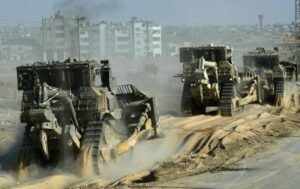
Humanitarian organizations have expressed concern that additional physical divisions could complicate aid delivery and access to essential services. Large portions of Gaza’s population remain displaced, and relief agencies continue to face challenges in distributing food, medicine and other critical supplies throughout the territory.
Israeli officials maintain that the barrier is a temporary security necessity driven by ongoing threats. They argue that military infrastructure decisions are being made in response to operational requirements rather than as part of a broader political strategy concerning Gaza’s future status.
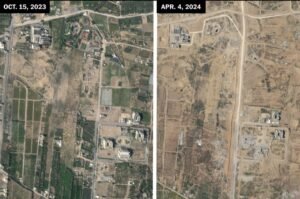
The project highlights the continuing tensions between security objectives and humanitarian concerns in one of the world’s most closely watched conflict zones. As construction advances, observers say the barrier is likely to become an increasingly significant feature of Gaza’s landscape and a central issue in future discussions about the territory’s political and physical reconstruction.
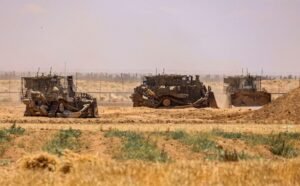
With the conflict still ongoing and negotiations over Gaza’s future far from settled, the emerging earthworks underscore how developments on the ground may influence the shape of any eventual post-war arrangement. Whether viewed as a security measure or a symbol of deeper division, the barrier is rapidly becoming one of the most consequential construction projects of the conflict.