
World News
Three Tankers Carrying Saudi Crude Make U-Turns in Red Sea After Houthi Warning

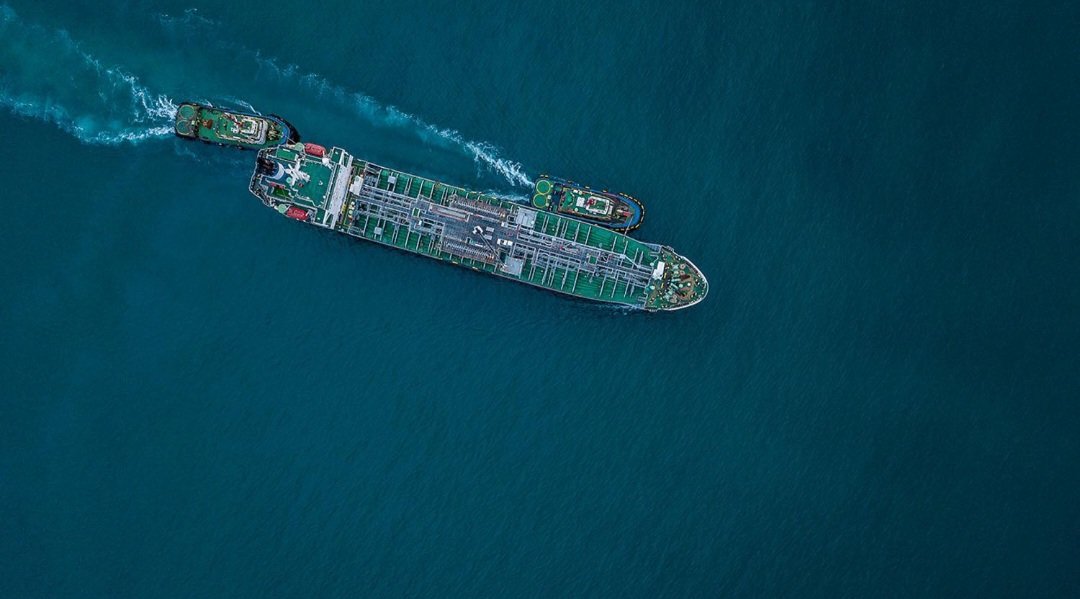
Three oil tankers transporting Saudi Arabian crude reportedly reversed course in the Red Sea after Yemen’s Houthi movement warned that vessels linked to Saudi Arabia and its allies could become targets amid escalating regional tensions.
According to shipping data reviewed by maritime analysts and reports from multiple international news agencies, the vessels changed direction while navigating one of the world’s busiest energy corridors. The course changes came shortly after the Houthis announced an expanded campaign targeting maritime traffic connected to countries they accuse of supporting military operations against Iran and Yemen.
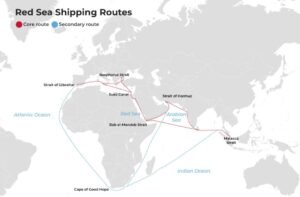
The incident underscores growing concerns over the security of commercial shipping in the Red Sea and nearby Bab el-Mandeb Strait, a strategic chokepoint linking the Red Sea to the Gulf of Aden. The waterway is a vital route for oil exports from the Middle East to Europe and other international markets.
Maritime security firms said the tankers appeared to alter their routes as a precaution rather than in response to a direct attack. Shipping companies have increasingly adjusted voyages in recent months, weighing the risks posed by missile launches, drone attacks and other security threats against the higher costs of rerouting vessels around southern Africa.
The Houthis recently announced what they described as a naval blockade targeting ships associated with Saudi Arabia, the United States and other countries involved in the widening regional conflict. The group warned that commercial vessels could face attacks if they ignored its directives, although the exact scope of the threat remains unclear.
The latest developments have heightened concerns among energy traders and shipping insurers. Even without direct attacks, the perception of increased risk has led to higher insurance premiums, longer delivery times and renewed volatility in global oil markets.
Saudi Arabia has not publicly confirmed whether the affected tankers were instructed by authorities to change course or whether the decisions were made by the shipping operators. Officials have continued to emphasize the importance of protecting international navigation and maintaining stable energy exports.
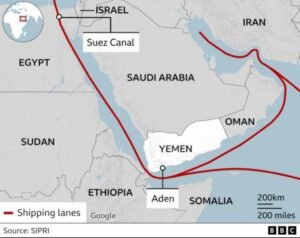
International naval coalitions operating in the Red Sea have stepped up patrols in recent months to deter attacks on merchant vessels and safeguard one of the world’s most important maritime trade routes. Several countries, including the United States and European allies, have increased their naval presence in response to repeated incidents involving commercial shipping.
Industry experts warn that prolonged disruptions in the Red Sea could have far-reaching economic consequences. The route carries a significant share of global oil shipments and container traffic, meaning any sustained reduction in vessel movements could affect fuel prices, supply chains and international trade.
Analysts say the decision by the three tankers to reverse course reflects the growing caution among shipping companies operating in conflict zones. Rather than risk possible attacks, many operators are choosing to delay voyages or seek alternative routes despite the additional costs involved.
The incident comes amid broader instability across the Middle East, where tensions involving Iran, the United States, Israel and Houthi forces have increased concerns about the security of critical energy infrastructure and shipping lanes. Diplomats continue to call for de-escalation, warning that further disruptions could have global economic repercussions.