
World News
More Immigrants Than Ever Are Working in the European Union, New Study Shows

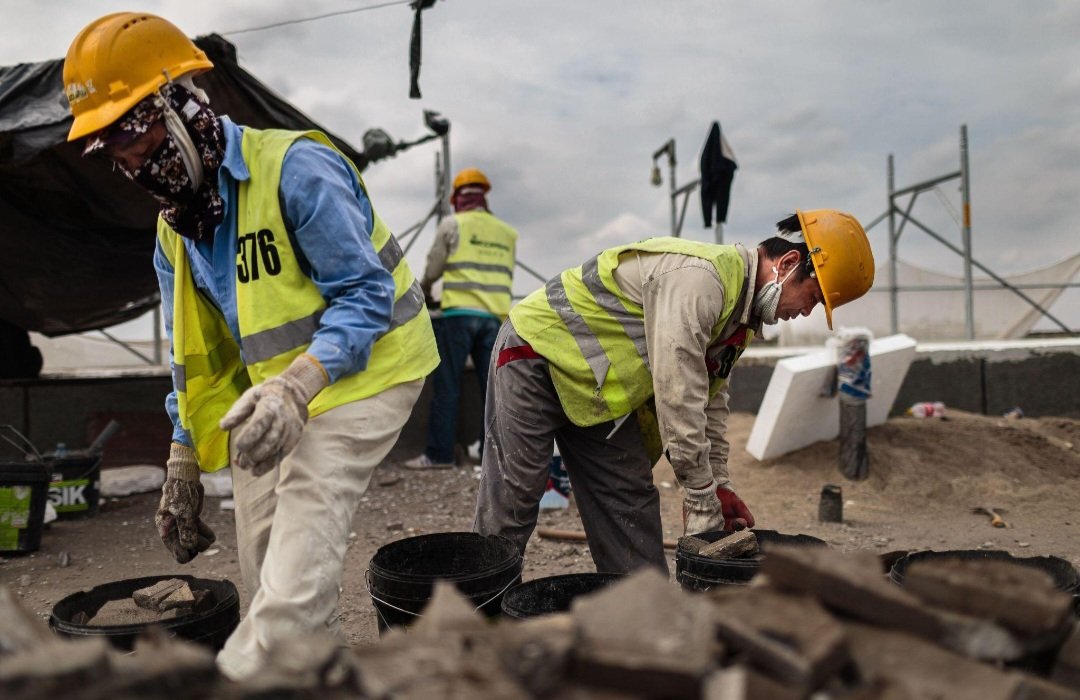
Employment among immigrants in the European Union has reached its highest level on record, according to a new study that highlights the growing role of foreign-born workers in supporting Europe’s economy amid labor shortages, aging populations and increasing demand for skilled and unskilled labor across multiple sectors.
The report, released by the Organisation for Economic Co-operation and Development (OECD) and the European Commission, found that immigrant employment rates across the EU climbed to unprecedented levels in 2025 and early 2026, with millions of foreign-born workers finding jobs in industries ranging from healthcare and construction to manufacturing, transportation, hospitality and information technology. The findings suggest that immigrants are becoming increasingly important to the functioning of Europe’s labor markets.

According to the study, labor shortages in many European countries have encouraged employers to recruit workers from abroad, particularly in sectors struggling to attract enough local employees. Countries including Germany, Spain, Italy, France and Netherlands recorded strong demand for migrant labor, helping push immigrant employment to new highs.
Researchers noted that the increase reflects both economic recovery following recent periods of slower growth and policy efforts aimed at integrating migrants into local labor markets. Many EU governments have expanded language training, job placement programs and recognition of foreign qualifications in an attempt to help newcomers find employment more quickly and contribute to economic growth.

The study found that immigrant workers now account for a growing share of employment in essential sectors. In healthcare, migrants are helping address shortages of nurses, doctors and caregivers. In construction and manufacturing, foreign-born employees are filling vacancies that employers have struggled to fill domestically. Meanwhile, technology firms increasingly rely on skilled international professionals to meet demand for specialized expertise.

Despite the positive employment figures, the report also highlighted ongoing challenges. Immigrants in many countries continue to face wage gaps, barriers to career advancement and higher risks of working in lower-paid or temporary positions. Researchers emphasized that improving education, training and equal employment opportunities remains essential for ensuring long-term economic integration.

The findings come at a time when migration remains a politically sensitive issue across Europe. Several governments are facing pressure to tighten border controls and reduce irregular migration, even as businesses warn that labor shortages could worsen without continued access to foreign workers. Economists argue that migration is becoming increasingly important for sustaining economic growth as Europe’s population ages and birth rates decline.

Analysts say the record employment figures illustrate the growing economic contribution of immigrants throughout the European Union. While debates over migration policy continue, the study suggests that foreign-born workers are playing an increasingly vital role in maintaining productivity, supporting public services and helping businesses meet workforce demands across the bloc.