
International
Key Architect of Trump’s Venezuela Policy Leaves Unofficial White House Role

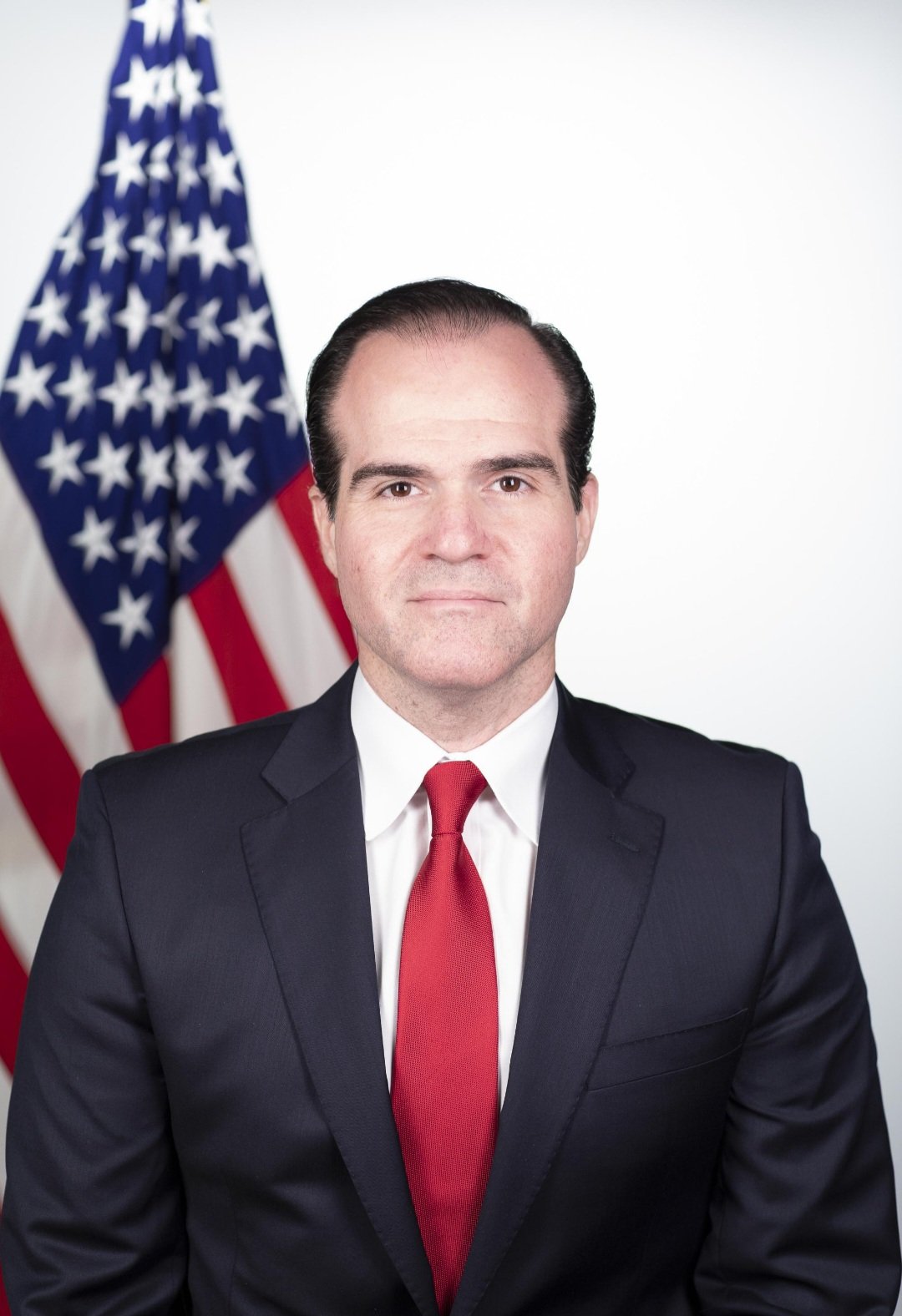
Mauricio Claver-Carone, one of the most influential but unofficial architects of U.S. policy toward Venezuela under President Donald Trump, has stepped down from his behind-the-scenes advisory role, marking a significant personnel change as Washington continues to reshape its strategy toward the oil-rich South American nation. His departure comes at a pivotal moment, with the United States pursuing political negotiations while encouraging increased investment in Venezuela’s vast energy sector.
Although Claver-Carone held no formal government position, he wielded considerable influence over the Trump administration’s Venezuela policy. Working closely with Secretary of State Marco Rubio, he helped coordinate diplomatic initiatives, economic negotiations and discussions surrounding Venezuela’s oil industry. Officials familiar with the matter described him as one of the administration’s most powerful voices on Venezuela, with some even referring to him as a “viceroy” because of the breadth of his influence.
Claver-Carone played a leading role in shaping the administration’s post-Nicolás Maduro strategy, helping oversee negotiations involving Venezuela’s political transition, debt restructuring and the reopening of the country’s energy sector to foreign investment.
He was also involved in discussions aimed at attracting billions of dollars in international investment to revive Venezuela’s struggling oil industry, which possesses the world’s largest proven crude oil reserves. His work included facilitating contacts between U.S. officials, Venezuelan authorities and international energy companies interested in returning to the country.
Claver-Carone told Reuters that his departure was voluntary, saying he had simply completed the work he intended to do. However, several people familiar with internal White House discussions said his exit followed growing tensions within the administration over his expanding influence and his interactions with prominent Venezuelan businessmen, including Alejandro Betancourt.
Sources said some officials became increasingly uncomfortable with the level of authority exercised by someone serving outside the formal government structure. Claver-Carone has denied having any financial interests in Venezuela and rejected suggestions that his work created conflicts of interest. He insisted his role was to fill policy gaps during a period when the administration was still organizing its Venezuela strategy.
Following Claver-Carone’s departure, Secretary of State Marco Rubio is expected to assume even greater responsibility for directing U.S. policy toward Venezuela.

Rubio has already become the administration’s principal public voice on the issue, overseeing diplomatic engagement with Venezuelan officials and supporting negotiations aimed at stabilizing the country while encouraging democratic reforms and economic recovery. Analysts believe his influence over Washington’s Venezuela strategy will continue to grow in the months ahead.
Despite the personnel change, officials say there is little indication that the administration’s overall Venezuela policy will shift dramatically.
The Trump administration remains focused on expanding U.S. commercial involvement in Venezuela’s energy industry, encouraging foreign investment and supporting negotiations intended to stabilize the country’s political and economic environment. Recent moves, including efforts by major U.S.-linked firms to establish a stronger presence in Caracas, suggest Washington continues to view Venezuela as strategically important because of its vast oil reserves.

Claver-Carone’s exit comes as the administration balances diplomatic negotiations with broader geopolitical and economic priorities across Latin America.
While his departure removes one of the administration’s most influential informal advisers, analysts say it also reflects the growing effort to place Venezuela policy more firmly under established government institutions, particularly the State Department. Whether the transition affects ongoing negotiations or investment initiatives remains to be seen, but U.S. engagement with Venezuela is expected to continue under Rubio’s leadership.