
Politics
Fuel Subsidy: Presidency Accuses Atiku of ‘Desperation for Power’

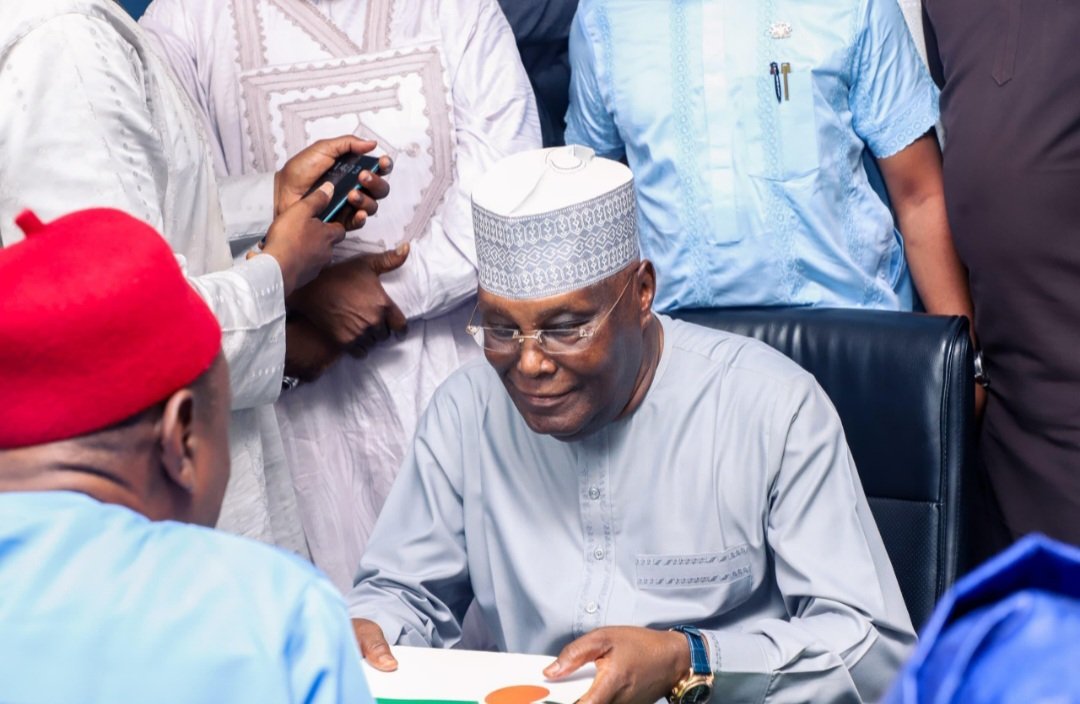
The Presidency has criticised former Vice President Atiku Abubakar’s proposal to restore petrol subsidy, describing the plan as economically unsustainable and a reversal of reforms undertaken in Nigeria’s petroleum sector.
In a statement on Thursday, Special Adviser to President Bola Tinubu on Information and Strategy, Bayo Onanuga, accused Atiku of abandoning his previous position on fuel subsidy in an attempt to appeal to voters ahead of the 2027 general election.
Onanuga said Atiku was entitled to propose alternative economic policies but argued that Nigerians deserved to know how a renewed subsidy regime would be funded and implemented under the country’s current petroleum-sector framework.
He described the former vice president’s proposal as a return to what he called an “archaic” economic model, arguing that the subsidy system had imposed a heavy burden on government finances.
According to the Presidency, the petrol subsidy regime was already scheduled for removal under the Petroleum Industry Act (PIA) before President Tinubu announced its removal in May 2023.
Onanuga argued that restoring the subsidy would therefore require more than simply announcing a reduction in petrol prices.
He said the government would have to establish a legal, fiscal and administrative framework for determining the subsidy, funding it and preventing the abuses that characterised the former system.
The presidential aide also challenged Atiku to explain how his proposed subsidy would be financed.
He questioned whether the former vice president intended to borrow money to fund the programme, reduce government spending elsewhere or seek amendments to existing petroleum-sector legislation.
“If petrol is sold below its economic cost, someone must absorb the difference,” Onanuga said, arguing that the burden would ultimately fall on public finances.
He listed possible consequences as reduced funding for infrastructure and social services, lower allocations to state and local governments, increased borrowing and a rise in public debt.
The Presidency also rejected Atiku’s claim concerning savings from the removal of the subsidy.
Onanuga argued that the former subsidy arrangement involved the Nigerian National Petroleum Company Limited absorbing the difference between the cost of supplying petrol and the regulated pump price.
He maintained that there was no separate pool of “₦30 trillion” sitting in government coffers as subsidy savings.
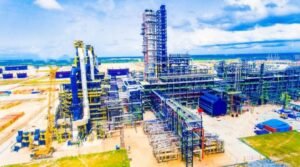
The statement also highlighted changes in Nigeria’s downstream petroleum sector since 2023, particularly the emergence of large-scale domestic refining.
Onanuga cited the Dangote Refinery and other local refineries as evidence that Nigeria’s petroleum market is undergoing a structural shift away from its previous dependence on imported refined products.
He argued that returning to a subsidy regime could undermine domestic refining and weaken incentives for further investment in local production.
The presidential aide further claimed that the removal of petrol subsidies and reforms to the foreign-exchange system had increased revenues available for distribution to the three tiers of government.
He pointed to the approximately ₦3 trillion shared from the Federation Account in July as an example of what he described as the fiscal benefits of the reforms.
Acknowledging the hardship caused by higher petrol prices, Onanuga said the Federal Government was pursuing alternatives aimed at reducing energy costs.
He cited the administration’s promotion of compressed natural gas (CNG), which the Presidency says can provide a cheaper alternative to petrol for vehicles, commercial transport operators and businesses.
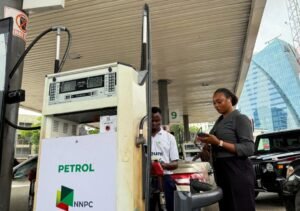
The statement said the government would continue to pursue measures designed to reduce the impact of high energy and transportation costs without returning to what it described as an opaque and fiscally burdensome subsidy regime.
Onanuga urged Atiku and other political actors to provide detailed financial and legal explanations for any proposal to restore petrol subsidies.
He said Nigerians should know the projected annual cost of the programme, its source of funding, whether additional borrowing would be required and how subsidy payments would be monitored.
The Presidency also questioned what exactly would be subsidised under a renewed scheme given Nigeria’s growing domestic refining capacity.
“Political promises must be backed by fiscal arithmetic,” Onanuga said.
He maintained that the debate over fuel prices should focus on Nigeria’s current economic and petroleum realities rather than return to the structure that existed before the country’s recent petroleum-sector reforms.