
Religion
Vatican Plans €100m Solar-Agriculture Plant to Power Its Electricity Needs

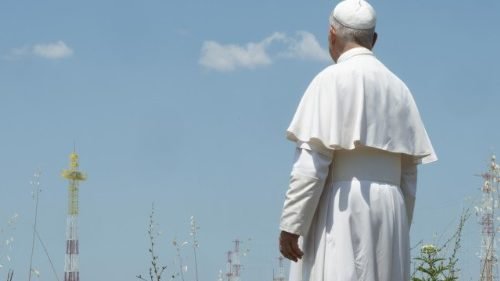
The Vatican is moving ahead with plans to build a €100 million ($117 million) renewable-energy plant that will combine solar power generation with agriculture and is expected to provide enough electricity to meet the energy needs of Vatican City.
The agrivoltaic project will be developed at Santa Maria di Galeria, a Vatican-owned estate northwest of Rome that has housed the Vatican Radio transmission centre since the 1950s. Reuters reported that the plant is expected to have a generating capacity of between 80 and 90 megawatts, potentially making it one of Italy’s largest agrivoltaic installations.
The project is designed to use about 200 hectares of the estate, almost half of the property, for solar panels while allowing agricultural activities to continue underneath them.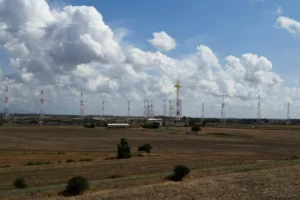
Agrivoltaics combines photovoltaic panels with farming, allowing the same land to produce both electricity and crops. The panels can also provide shade and protection from extreme weather, potentially reducing water evaporation and helping crops withstand harsh conditions.
The Vatican’s plans date back to 2024, when the late Pope Francis ordered the construction of an agrivoltaic plant at Santa Maria di Galeria as part of his push to make the Holy See more environmentally sustainable. The stated objective was to supply both Vatican Radio and Vatican City State with renewable electricity.
The initiative has continued under Pope Leo XIV, who has formally established the Fratello Sole Foundation to oversee the implementation of the project. The Vatican says the installation is intended to support a transition towards a more sustainable development model.
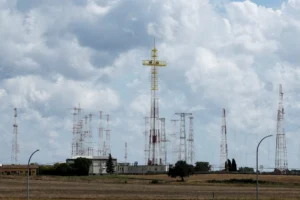
The Vatican and Italy signed an agreement to facilitate construction of the plant, with the agreement entering into force in May 2026. Because the Santa Maria di Galeria property lies outside Vatican City but is Vatican territory with special status, cooperation with Italian authorities is required for the project’s development and connection to the electricity system.
Reuters reported that construction is expected to take 18 to 24 months, with contracts for the project expected to be opened for bidding. The Vatican will not receive Italy’s standard solar incentives, while surplus electricity generated by the facility could be supplied to the Italian grid.
The project is part of the Vatican’s broader effort to reduce its environmental footprint and move towards energy independence. The Holy See has previously installed solar panels, including on the roof of the Paul VI Audience Hall.
If completed as planned, the Santa Maria di Galeria project would represent a major step in the Vatican’s ambition to meet its electricity requirements through renewable energy while maintaining agricultural use of its land.