
International
White House Confirms Resignation of Army Secretary Dan Driscoll

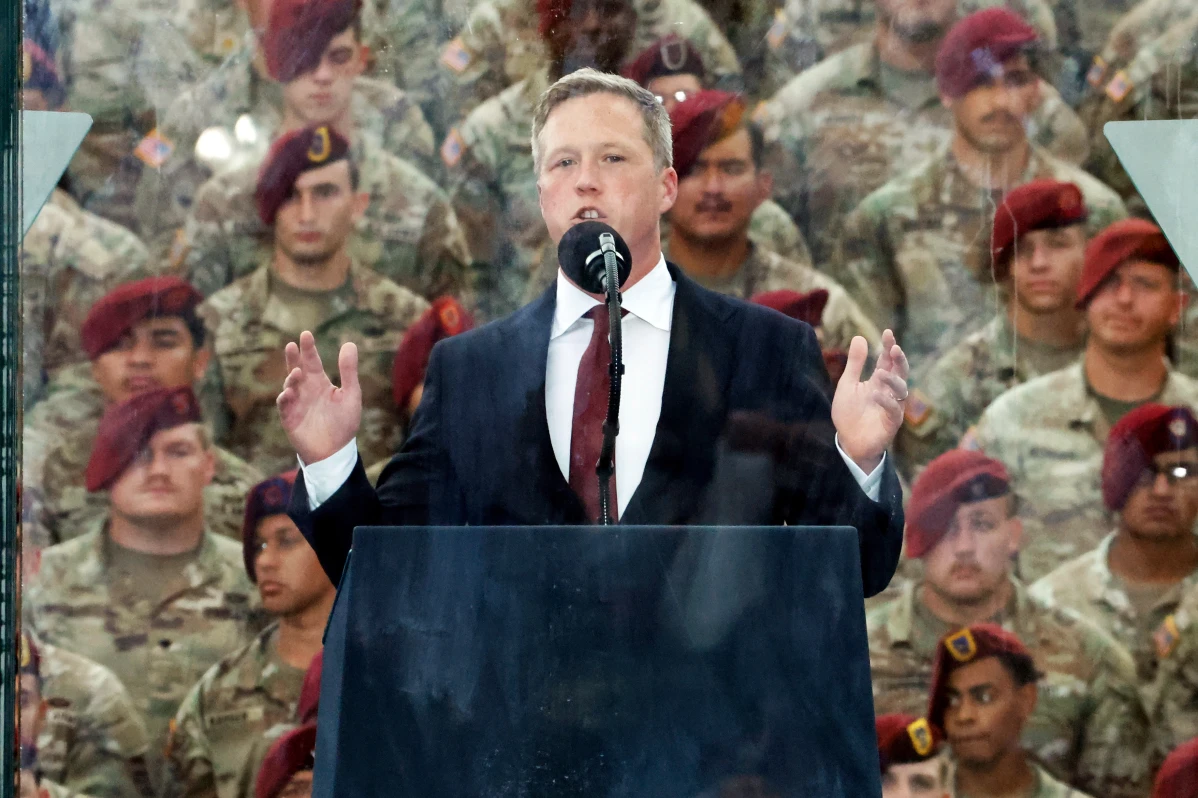
Army Secretary Dan Driscoll is stepping down after 18 months in office, the White House confirmed Monday, marking the latest high-profile departure from the Trump administration’s military leadership team.
The White House did not provide a specific reason for Driscoll’s resignation. However, his departure comes amid months of reported tensions with Defense Secretary Pete Hegseth and follows a series of leadership changes across the Pentagon, particularly within the Army.
White House spokeswoman Anna Kelly praised Driscoll’s tenure, saying he had played a key role in strengthening military readiness, supporting major military operations and assisting with diplomatic efforts related to the Russia-Ukraine conflict.
Driscoll, an Iraq War veteran and former adviser to Vice President JD Vance, was confirmed by the Senate in February 2025 and became one of the youngest Army secretaries in U.S. history. During his time in office, he championed military modernization efforts, pushed for faster adoption of drone technology and sought to reduce bureaucratic hurdles for defense contractors developing new battlefield systems.
His resignation comes after a turbulent period for Army leadership. Earlier this year, Army Chief of Staff Gen. Randy George was removed from his position, while several other senior officers and military leaders also departed. Critics have argued that the frequent changes risk creating instability within the Pentagon at a time of heightened global security challenges.
According to reports from U.S. media outlets, Driscoll had recently expressed concerns about the direction of Army leadership and the impact of senior-level departures on modernization efforts. Some reports suggest he discussed those concerns directly with President Donald Trump before submitting his resignation.
Lawmakers from both parties reacted to the news by praising Driscoll’s leadership. Republican Congressman Steve Womack described him as a transformative leader who strengthened the Army’s readiness, while Democratic Congressman Jason Crow said he respected Driscoll’s policy expertise despite political differences.
Senator Jack Reed, the top Democrat on the Senate Armed Services Committee, also credited Driscoll with working to prepare the Army for future conflicts and maintaining a constructive relationship with Congress.
Driscoll’s departure leaves the Army without a Senate-confirmed civilian leader and adds to concerns about a leadership vacuum within the service. Analysts note that the Army is also operating under an acting chief of staff following the earlier removal of Gen. George.
Throughout his tenure, Driscoll was viewed as a strong advocate for adapting the Army to emerging threats, particularly through investments in drones, advanced technology and lessons drawn from modern conflicts such as the war in Ukraine. Some of those initiatives have since faced uncertainty or policy reversals under new leadership.
While the White House has not announced a successor, Driscoll’s resignation is expected to fuel further debate over the direction of the Pentagon and the Trump administration’s handling of military leadership.
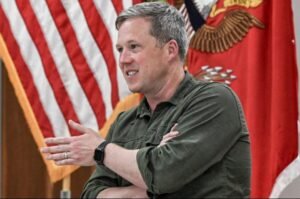
For now, his exit marks the end of a brief but influential tenure that saw the Army pursue one of its most ambitious modernization drives in decades while navigating significant internal upheaval.