
International
Joshua Wong Pleads Guilty in Second National Security Case, Faces Possible Life Sentence

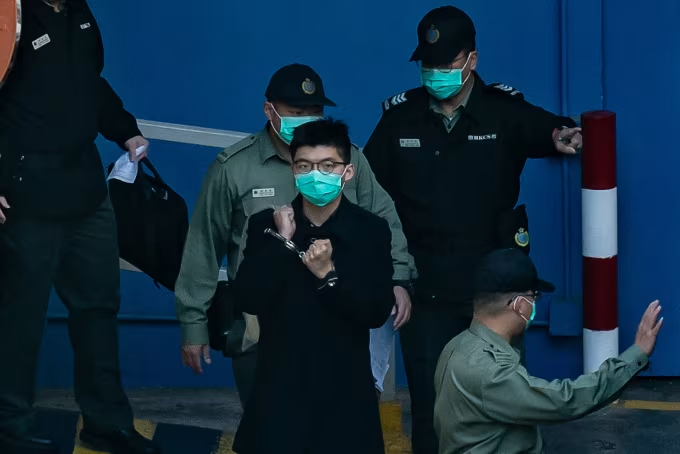
Prominent Hong Kong pro-democracy activist Joshua Wong has pleaded guilty to a second national security charge, putting him at risk of a substantially longer period in prison and potentially a life sentence.
Wong, 29, entered his guilty plea at Hong Kong’s High Court on Wednesday in a case involving alleged collusion with foreign forces. Prosecutors accuse him of participating in an international campaign that sought foreign sanctions and other measures against Hong Kong and China.
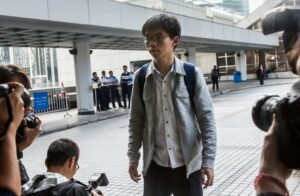
The charge carries a prison term of three to 10 years, but can result in life imprisonment if the offence is judged to be of a grave nature. Wong’s sentencing date has not yet been announced.
Wong is currently serving a four-year-and-eight-month sentence after pleading guilty in a separate national security case connected to an unofficial primary election held by Hong Kong’s pro-democracy camp in 2020.
He has been imprisoned continuously since November 2020 and was expected to be released in January 2027. The new case could therefore keep him behind bars beyond his current release date.
His lawyer asked the court for leniency, pointing to Wong’s guilty plea and the nearly six years he has spent in detention. His defence also argued that Wong had reflected on his actions and hoped to care for his elderly parents after his eventual release.
The prosecution says Wong was involved in efforts to persuade foreign governments and politicians to impose sanctions, blockades or other hostile measures against China and Hong Kong.
Prosecutors cited his international lobbying activities, media appearances and social-media campaigns. They also pointed to meetings with foreign political figures and Wong’s involvement with Demosisto, the now-defunct pro-democracy political group he co-founded.
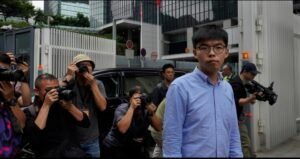
Wong confirmed the prosecution’s account of his activities in court before entering his guilty plea.
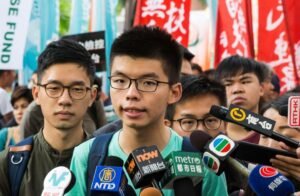
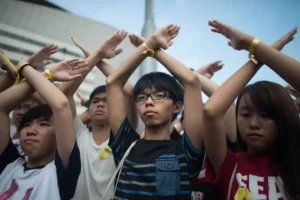
Wong became internationally known as a teenager during Hong Kong’s 2014 Umbrella Movement, which saw protesters occupy major roads while demanding greater democratic representation.
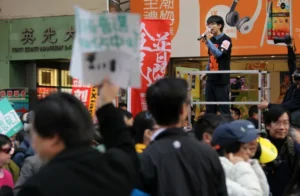
He later became one of the most recognisable figures of Hong Kong’s pro-democracy movement during the large-scale protests of 2019.
Beijing introduced Hong Kong’s national security law in 2020 following those protests. Chinese and Hong Kong authorities have defended the law as necessary to restore stability, while Western governments and human-rights organisations have criticised its use against pro-democracy activists.
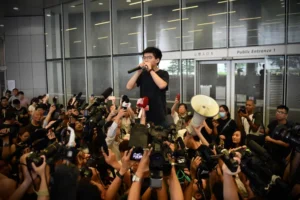
Wong’s latest case is particularly significant because it makes him one of the few prominent activists to face a second prosecution under Hong Kong’s national security framework.
Human-rights groups have accused authorities of using successive prosecutions to keep Wong and other democracy campaigners behind bars. Hong Kong and Chinese authorities reject such criticism and maintain that those prosecuted have endangered national security.
For Wong, the immediate question is now how the court will sentence him. Although his guilty plea may reduce the eventual punishment, life imprisonment remains legally possible in the new case.