
International
Malta Jury Acquits Businessman Accused of Ordering Journalist’s Murder

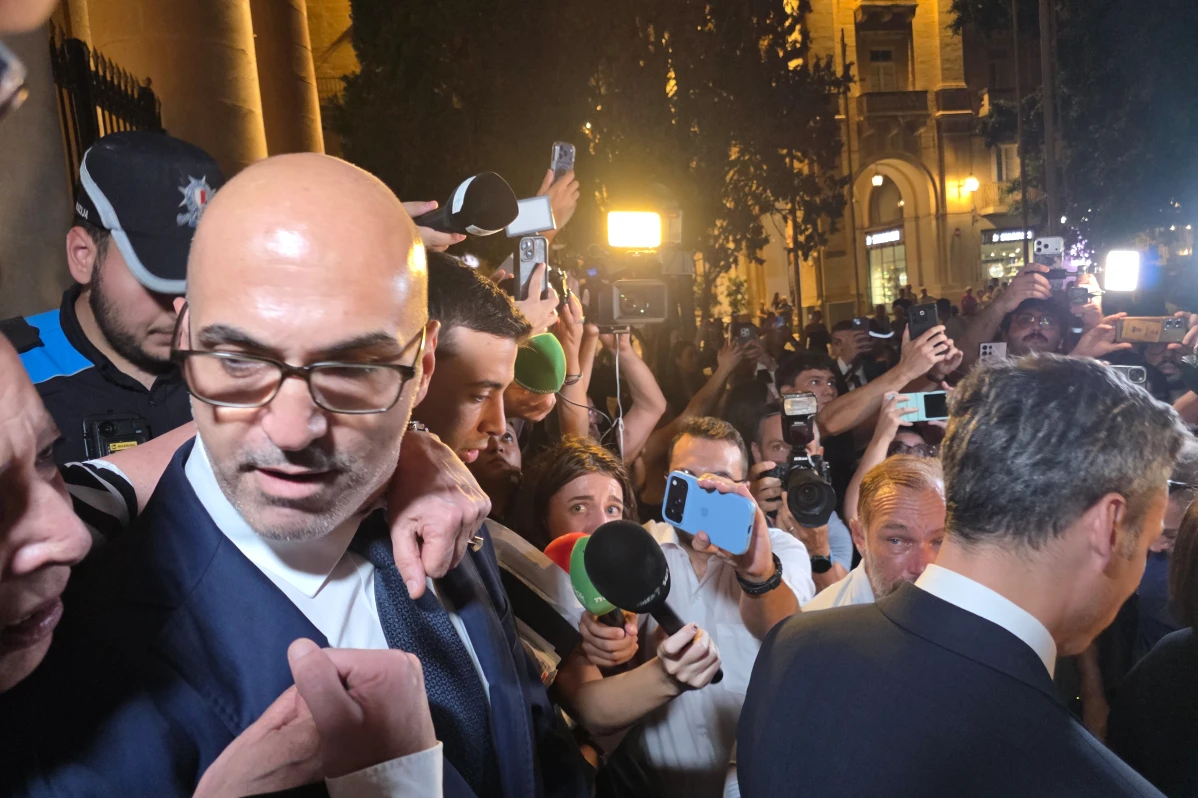
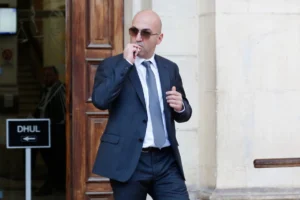
A Maltese jury has acquitted businessman Yorgen Fenech of charges connected to the 2017 assassination of investigative journalist Daphne Caruana Galizia, bringing to an end one of the country’s most closely watched murder trials.
Fenech, one of Malta’s wealthiest businessmen, had been accused of commissioning and helping organise the car-bomb killing of Caruana Galizia, a prominent anti-corruption journalist whose investigations had exposed alleged corruption involving Malta’s political and business elite.
After a two-month trial, the nine-member jury found Fenech not guilty on both charges, complicity in the murder and criminal conspiracy. The verdict was reportedly reached by an 8-1 majority after roughly eight hours of deliberations.
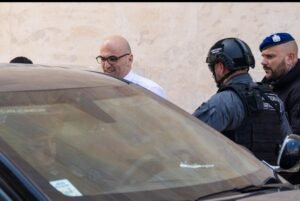
The acquittal means Fenech avoids a possible life sentence and was released following the verdict.
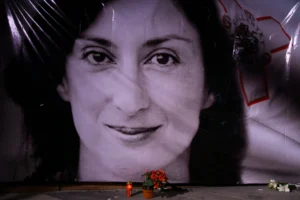
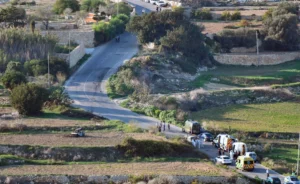
Caruana Galizia, 53, was killed on October 16, 2017, when a bomb planted inside or beneath her car exploded shortly after she left her home near the village of Bidnija.
The journalist had spent years investigating alleged corruption, money laundering and links between Malta’s political establishment and wealthy business figures. Her reporting also examined companies and offshore financial arrangements revealed through the Panama Papers.
Her assassination triggered international outrage, mass protests and a political crisis in Malta. An independent public inquiry later concluded that the Maltese state had to bear responsibility for creating a climate of impunity that contributed to the circumstances surrounding her killing.
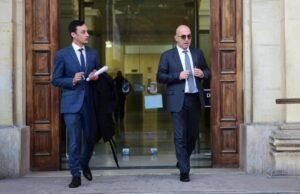
Prosecutors alleged that Fenech was the mastermind behind the assassination and had commissioned the killing through an intermediary, Melvin Theuma.
Fenech was arrested in November 2019 after authorities intercepted his yacht as he attempted to leave Malta. His arrest intensified political pressure on then-Prime Minister Joseph Muscat, who eventually resigned amid the fallout from the murder investigation.
Fenech consistently denied ordering the killing and pleaded not guilty.
His defence challenged the prosecution’s case and raised questions about other individuals who, it argued, could have had motives connected to Caruana Galizia’s investigations.
Although Fenech has now been acquitted, several other people have been convicted in connection with the murder.
Brothers George and Alfred Degiorgio pleaded guilty in 2022 to carrying out the assassination and were each sentenced to 40 years in prison.
In 2025, Jamie Vella and Robert Agius were sentenced to life imprisonment after being convicted of supplying the bomb used in the killing. Another participant, Vincent Muscat, pleaded guilty earlier and received a 15-year sentence.
The convictions established who carried out and helped facilitate the physical attack, but the question of who ultimately ordered the killing had remained one of the most contentious aspects of the case.
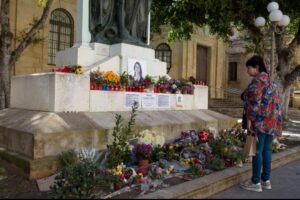
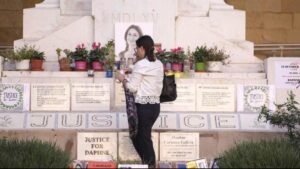
Caruana Galizia’s family reacted angrily to Fenech’s acquittal.
In a statement, the family said the verdict denied the murdered journalist the justice she deserved and argued that the institutional failures surrounding her killing remained unresolved.
The family also called for accountability for individuals they believe enabled, facilitated or protected those responsible for the assassination.
Fenech, meanwhile, left the Valletta courtroom following the verdict without making a public statement.
The verdict has reignited debate in Malta over the country’s handling of the murder and the wider corruption allegations exposed by Caruana Galizia’s investigations.
Reuters reported that the prosecution plans to appeal the acquittal, although the full legal process surrounding any appeal remains to be seen.
For press-freedom advocates, the case remains larger than the fate of one defendant. Caruana Galizia’s killing became a symbol of the risks faced by journalists investigating powerful political and business interests.
Nine years after her death, the people who physically carried out the assassination have been convicted, but the acquittal of the man prosecutors accused of commissioning it means a central question surrounding the murder remains deeply contested.