Media
INEC Warns Editors Deepfakes, Fake Results Threaten 2027 Elections, Creates AI Division to Protect Results

In a dramatic move to protect Nigeria’s 2027 elections, the Independent National Electoral Commission (INEC) has warned that the most dangerous threat to democracy may not be ballot box snatching, but a computer screen. The commission has charged editors to treat the rise of artificial intelligence as a national security emergency.
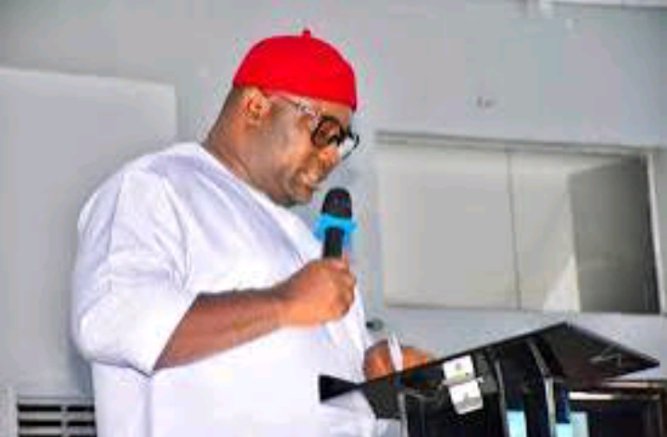
INEC Chairman, Prof. Joash Amupitan, issued the stark warning at the 22nd All Nigeria Editors Conference in Enugu, represented by the Resident Electoral Commissioner for Enugu State, Dr. Chukwuemeka Chukwu. He stated that malicious actors no longer need a printing press to deceive millions—just modest computing power to generate convincing lies.
“You can produce a photorealistic video of an electoral official purportedly declaring false results in a dark room; a cloned audio file of an INEC Resident Electoral Commissioner instructing staff to manipulate voting devices on election eve,” Amupitan said. “The primary danger of synthetic disinformation is not merely that it tricks citizens into believing a specific falsehood, but it causes the systemic destruction of public trust.”

Amupitan declared that the era of simple political bias and unverified rumours has ended, replaced by “synthetically manufactured reality.” He warned that when deepfakes render lies believable, real truth is greeted with skepticism, and cynicism replaces civic engagement—a mental retreat where democracy begins to decay.
To counter the threat, Amupitan disclosed that INEC has established a dedicated Artificial Intelligence Division within its ICT Department. The commission has commenced deploying automated AI auditing tools within the Results Management process to detect discrepancies before final verification, governed by a strict five-pillar AI Governance Framework and mandatory human auditing.
“Let’s resist premature result declarations. Under the Electoral Act, statutory authority to declare election results rests exclusively with INEC,” he charged the editors. “Amplifying unverified, privately collated figures published by political actors on social media creates conflicting public narratives that undermine official outcomes.”
He implored media leaders to institutionalise specialised fact-checking desks, deploy forensic image analysis software, and prioritise accuracy over speed. “The pressure on modern newsrooms to be first is immense. But in national elections, it is vastly more important to be right than to be first,” Amupitan stated.
The INEC chairman also linked the integrity of the 2027 polls to the welfare of journalists, warning that financial insecurity makes media practitioners vulnerable to compromise. “A poorly compensated journalist is vulnerable; a financially neglected newsroom is fertile ground for compromise,” he said, urging media owners to provide decent remuneration.
The warning comes as INEC ramps up nationwide readiness assessments for the Presidential and National Assembly elections scheduled for January 16, 2027, and the Governorship and State Houses of Assembly elections on February 6, 2027.