War
Iran Vows to Block Unauthorized Routes as Tanker Attack Risks Surge in Strait of Hormuz

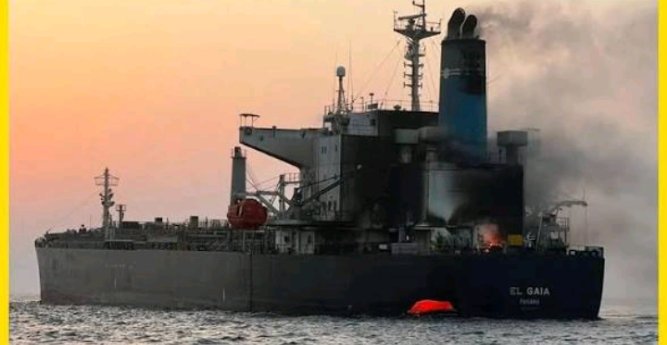
Tanker operators are facing heightened risks of attacks and intimidation in the Strait of Hormuz after Iran issued fresh warnings that it will block shipping routes it has not authorized, according to regional officials and maritime sources.
Last week saw the highest number of attacks on tankers in the strategic waterway since the US-Israeli war with Iran began, cutting the number of vessels attempting transit to the lowest level in more than two months.
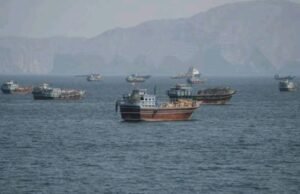
Iran has warned regional countries that any attempt to open new oil export routes will be considered a hostile act. A senior regional official close to Tehran said the policy was agreed upon by both Iran’s political leadership and the Islamic Revolutionary Guard Corps.
“Iran has absolutely no intention of allowing control of the Strait of Hormuz to slip from its hands, and has plans ready to block routes that some regional countries have for exporting oil,” a senior diplomat in the region briefed by Tehran told Reuters.
“This could involve missile and drone attacks on ships, or sending boats to scare ships away,” the diplomat added. “It plans to continue this policy of fear and threats.”
In recent months, Gulf oil producers have rushed shipments through channels hugging the Omani side of the strait before transferring cargoes in open waters in the Gulf of Oman with US aerial support, sources said.
In the latest incident, projectiles struck a tanker approximately 51 nautical miles off the coast of Qatar.
Maritime security sources identified the vessel as the Antigua and Barbuda-flagged chemical tanker Acers, which was hit north of Qatar’s Madinat ash Shamal with minor injuries reported among its crew.
“The Acers strike raises the prospect of a wider combat area affecting approaches to Qatar, Bahrain, Saudi Arabia, Kuwait and Iraq,” maritime risk intelligence group Clearwater Dynamics said in a report.
Shipping data from analytics firm Kpler showed that only seven commodity vessels transited the strait on Tuesday, the lowest figure since July 23.
Crude crossing the strait fell 27 percent from a wartime high the week before, to at least 10.1 million barrels per day, according to Kpler analysts Emmanuel Belostrino and Yui Torikata.
“The recent spate of Iranian attacks seems to have dampened the appetite of shipowners to sail through the Strait,” said Jakob Larsen, chief safety and security officer at shipping association BIMCO. “The Iranian threat appears to have increased.”
Before the war began on February 28, approximately 125 large commercial vessels transited the strait daily, carrying cargoes that accounted for a fifth of global crude oil and liquefied natural gas supplies.