
Disaster/Tragedy
Hurricane Isaias Slams US Gulf Coast, Bringing Destructive Winds and Life-Threatening Flooding

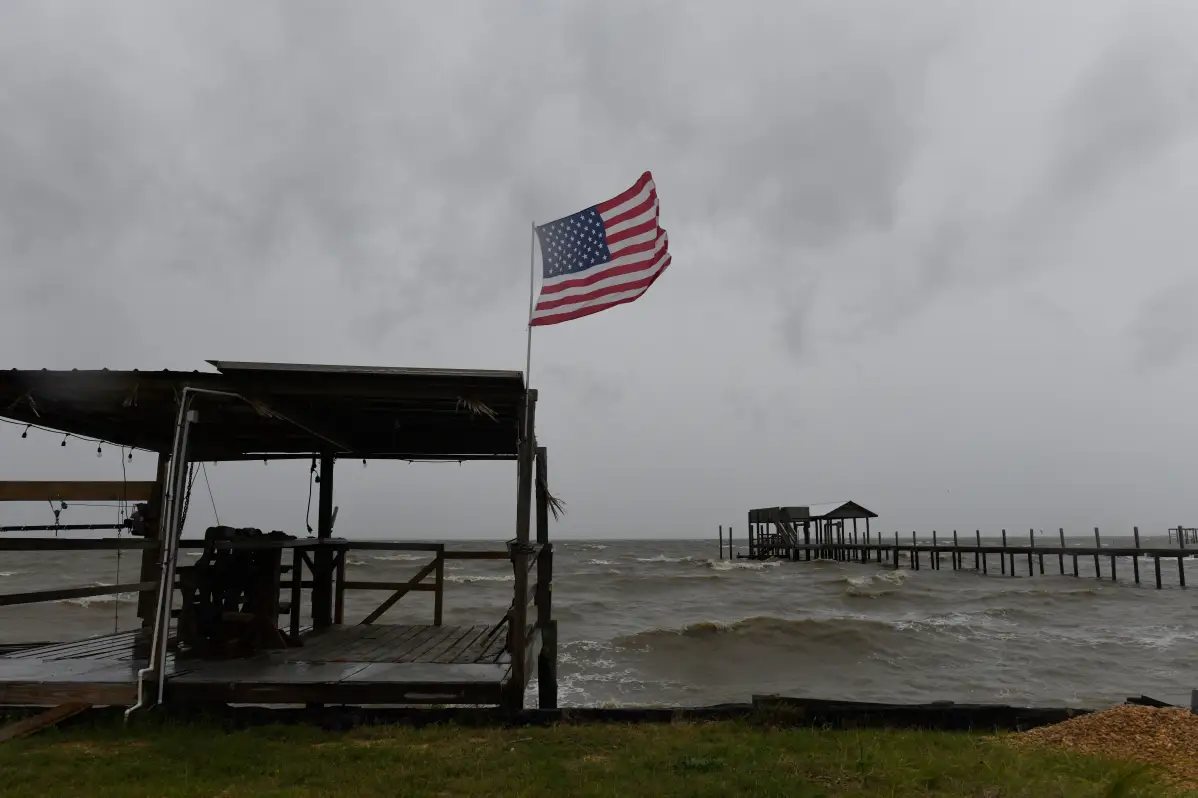
Hurricane Isaias has made landfall along the United States Gulf Coast, battering communities in Florida and Alabama with powerful winds, torrential rainfall and dangerous storm surges that have prompted evacuations, widespread power outages and emergency warnings.
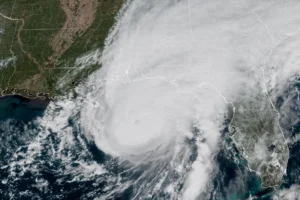
The hurricane made landfall near Destin, Florida, on Friday night, October 9, as a Category 2 storm with maximum sustained winds of approximately 105 miles per hour (169 kilometres per hour), according to the US National Hurricane Center. The storm had briefly strengthened to Category 3 earlier in the day before weakening slightly ahead of landfall.
Coastal communities across the Florida Panhandle and southern Alabama were among the hardest-hit areas, as strong winds battered beachfront properties, uprooted trees and brought down power lines. Floodwaters inundated roads in parts of Destin, while police in Pensacola warned residents to stay off the streets because of debris and hazardous conditions.
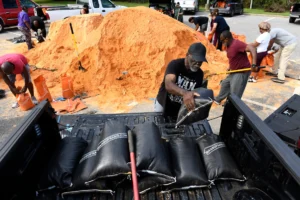
Forecasters warned that the combination of heavy rainfall and rising seawater could cause life-threatening flooding, particularly in low-lying coastal areas. Storm surges of between six and nine feet were possible in some locations, while certain areas were forecast to receive as much as 15 inches of rain. Officials also warned of possible tornadoes as the system moved inland.
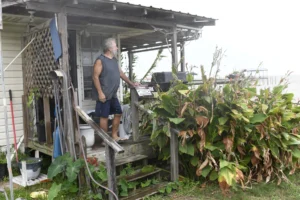
Florida Governor Ron DeSantis urged residents to remain indoors and avoid travelling through flooded areas, warning that conditions could deteriorate rapidly.
“The storm is here. Buckle down at this point. Don’t be getting out on the roads,” DeSantis said, stressing the danger posed by flash flooding.
“The storm is here. Buckle down at this point. Don’t be getting out on the roads,” DeSantis said, stressing the danger posed by flash flooding.
Authorities in vulnerable coastal communities ordered or recommended evacuations, while emergency personnel prepared to assist residents affected by flooding, damaged infrastructure and electricity failures.

More than 594,000 electricity customers across Florida and Alabama were reported without power on Friday evening, according to outage figures cited by the Associated Press. Some local emergency response services temporarily suspended operations because conditions were too dangerous for personnel to work safely.
The hurricane disrupted air travel across the region, with several airports grounding flights as dangerous weather conditions affected operations. Destin-Fort Walton Beach Airport suspended flights, while authorities warned travellers to expect further disruption.
The storm also raised concerns about the energy industry along the Gulf of Mexico. Oil and gas producers shut down a significant portion of offshore production and evacuated workers from platforms as the hurricane approached.
Reuters reported that producers had shut in approximately 1.5 million barrels of oil per day and 1.3 billion cubic feet of natural gas production daily ahead of landfall, representing about 72 per cent of the region’s oil output and 59 per cent of its natural gas production. The shutdowns were intended to protect workers and offshore facilities from the storm.
Although Isaias was expected to weaken as it moved inland, forecasters cautioned that the danger would not end once the hurricane lost strength.

Heavy rainfall was expected to continue across parts of the southeastern United States through the weekend, with the potential for additional flooding extending into Georgia and other neighbouring states. Further inland, the storm’s remnants could bring rain to parts of the Midwest and Northeast into Monday.
Emergency teams, including Florida National Guard personnel and search-and-rescue units, were mobilised to support affected communities. Officials urged residents to follow evacuation instructions, avoid flooded roads and remain alert to weather warnings.
The full extent of the damage was still being assessed on Saturday, October 10, as authorities worked to restore essential services and respond to the continuing threat of flooding.