
International
US Supreme Court to Review 158-Year-Old Ban on Home Distilling

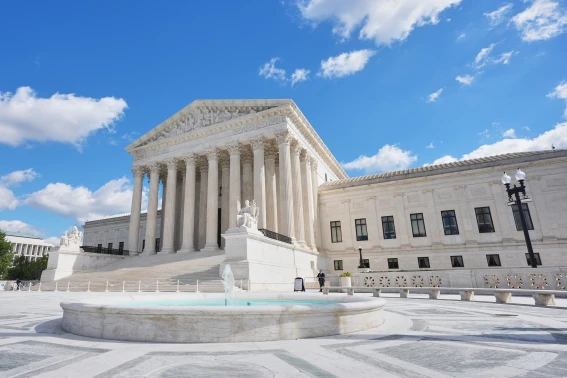
The United States Supreme Court has agreed to examine the constitutionality of a federal law enacted in 1868 that prohibits people from distilling alcoholic spirits inside their homes, opening a new legal battle over the limits of congressional power and individual freedom.
The law was introduced during the Reconstruction era following the American Civil War as part of efforts to prevent tax fraud by commercial liquor producers and protect federal revenue. It restricts the production of distilled spirits in private residences and certain surrounding properties.
Under current federal law, illegal home distilling can attract a maximum penalty of five years in prison and a fine of $10,000.
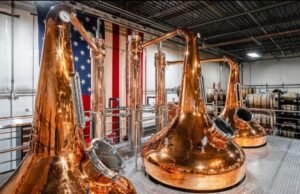
The case reached the Supreme Court after two federal appeals courts issued conflicting rulings in April. The Fifth US Circuit Court of Appeals struck down the home-distilling prohibition, concluding that the restriction exceeded Congress’s constitutional authority to impose and collect taxes. However, the Sixth Circuit upheld the law, ruling that the prohibition was a legitimate means of preventing tax evasion.
The dispute centres on a challenge brought by people who want to produce spirits, including whiskey, at home for personal consumption. The challengers argue that Congress went beyond its constitutional powers by prohibiting the activity rather than relying on taxation and regulatory measures to prevent fraud.
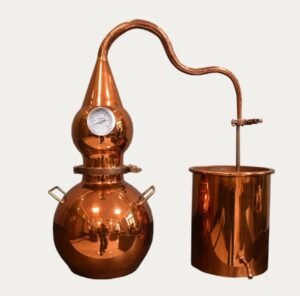
The Hobby Distillers Association and other challengers have received support from more than a dozen Republican-led states. They argue that the government can protect tax revenue through licensing, registration and inspection requirements without imposing a blanket prohibition on home distilling.
The Trump administration is defending the law, arguing that the restriction is necessary to prevent producers from evading federal excise taxes. Government lawyers have warned that overturning the ban could weaken Congress’s ability to enforce federal tax laws and conflict with established Supreme Court precedent.
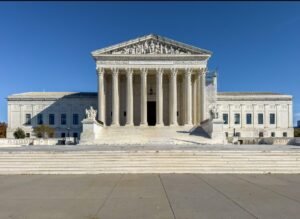
The justices have agreed to review the government’s challenge to the Fifth Circuit’s ruling. The case is expected to be argued in the coming months, with a decision anticipated by the end of June 2027.
The outcome could determine whether the federal government may continue enforcing the longstanding prohibition or whether Americans will gain greater freedom to distil spirits for personal use, subject to other applicable laws and regulations.
The case also raises broader constitutional questions about the balance between federal authority and individual liberty. Although Americans may generally produce certain fermented beverages, such as beer and wine, for personal use under federal law, distilling spirits at home remains prohibited.
The Supreme Court’s decision will determine whether the 158-year-old restriction survives its latest constitutional challenge.